What an Old Himalayan Will Still Get Up For
It's a common, heartbreaking moment for any devoted Himalayan owner: you look at your once-spry, playful companion and notice they've slowed down considerably. The leaps are gone, the zoomies are a distant memory, and even their signature inquisitive chirps might be softer, less frequent. It's easy to wonder what still sparks joy for these senior sweethearts as they retreat into their golden years. This guide is here to shed light on exactly what an old Himalayan will still get up for, helping you cherish and enrich their twilight years.
The Enduring Power of Routine and Comfort
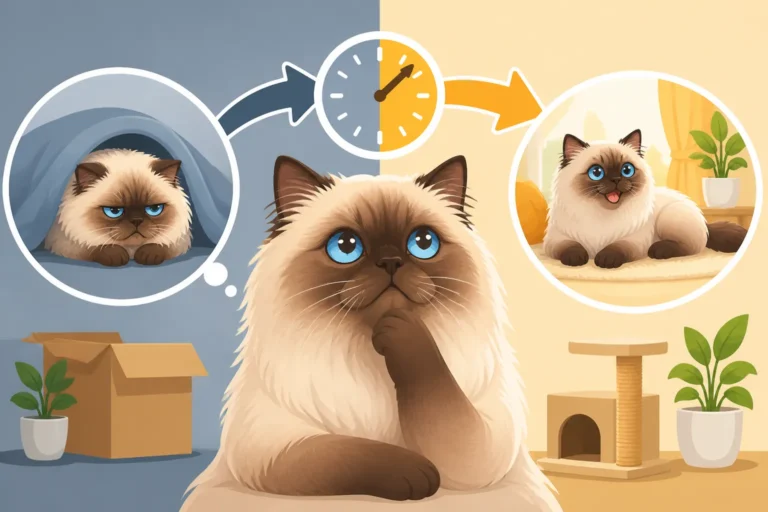
For our beloved Himalayans, especially as they age, routine isn't just a habit; it's the very fabric of their security and contentment. When their physical capabilities start to wane, the predictability of their day becomes a soothing anchor. Sudden changes can be incredibly disruptive, causing stress and anxiety in an older cat who might already be feeling a bit more vulnerable.
The Sacred Mealtime Ritual
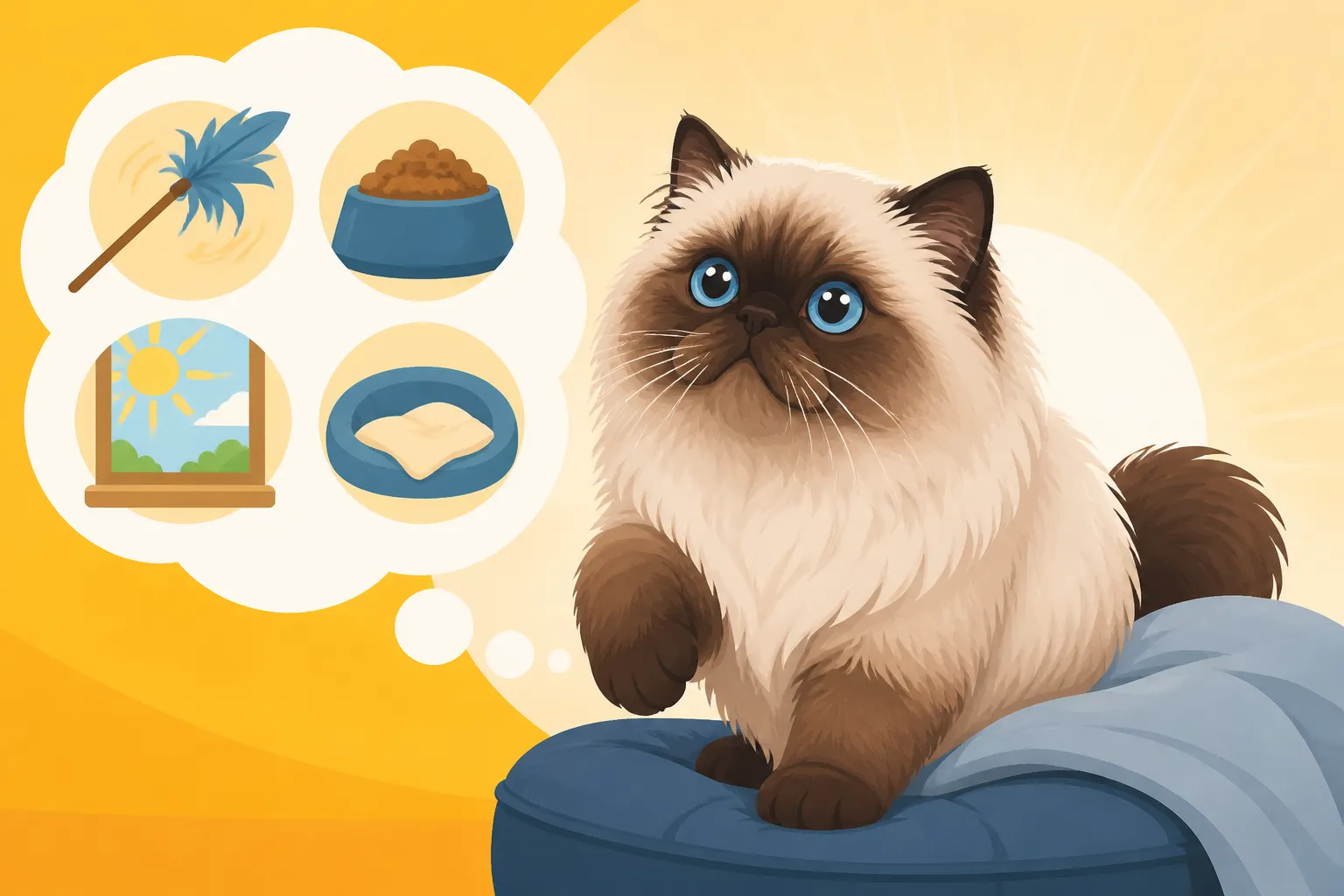
There's almost nothing that gets an old Himalayan moving quite like the promise of food, particularly if it arrives at a consistent, expected time. They might not race to the bowl like a kitten, but you'll likely see a slow, deliberate waddle or a soft stretch as they prepare for their meal. This isn't just about hunger; it's about the deep satisfaction of a predictable event in their day. If they're on a special diet, perhaps a renal diet because their How Kidney Failure Arrives in a Himalayan Past Twelve, or they have Why an Old Himalayan With Few Teeth Needs Wet Food, ensuring the food is presented in an accessible, flat dish that doesn't strain their neck is crucial. Many senior Himalayans appreciate wet food warmed slightly, as it enhances the aroma and makes it even more appealing, stimulating their often-dulling senses.
Cherished Naps in Familiar Places
An old Himalayan will spend a significant portion of its day napping, but not just anywhere. They have their favorite spots, honed over years of finding the perfect sunbeam, the warmest blanket, or the coziest armchair. These aren't just random choices; they are carefully selected havens where they feel safe, warm, and utterly comfortable. You might notice them slowly making their way to their preferred window perch to catch the morning sun, or settling into "their" cushion on the sofa the moment you stand up. These migrations, however slow, are driven by an instinctual search for comfort and warmth that remains strong, even When an Old Himalayan Stops Getting Onto Its Chair for higher spots. Providing soft, orthopedic beds, perhaps even a heated one, can become a huge motivator for them to shift positions, allowing them to stretch and find relief for aching joints, easily found on platforms like Amazon.
The Gentle Touch of Affection
While their playfulness might diminish, an old Himalayan's capacity for affection often deepens. They might not initiate boisterous games, but they will absolutely get up for a slow, gentle petting session, a quiet head scratch, or a moment nestled beside you on the sofa. They still crave that connection with their human companions. You might see them slowly make their way to your lap, or gently nudge your hand with their head, a silent request for attention. These aren't demanding gestures; they are expressions of a deep, abiding bond. It's during these quiet moments that you can also check for any matting under their ruff or around their britches, as Why an Old Himalayan Stops Washing Its Own Face often.
Simple Pleasures: Food, Sunbeams, and Favorite Spots
Even as they age, Himalayans find immense joy in the simple, fundamental aspects of their existence. These aren't grand adventures but quiet satisfactions that bring peace to their day.
The Irresistible Pull of a Sunbeam
Is there anything more universally cherished by a cat than a warm sunbeam? For an old Himalayan, this simple pleasure takes on even greater significance. Their stiff joints often appreciate the warmth, and the gentle heat can be incredibly soothing for any underlying aches or pains. You’ll often see them slowly shifting their position to stay perfectly centered in a sunbeam as it moves across the floor, a testament to its irresistible pull. This pursuit of warmth can be a key driver for them to move from one room to another, or to adjust themselves on a favorite bed. Consider supplementing natural light with a pet-safe heating pad on their favorite napping spot, creating an artificial sunbeam even on cloudy days, to encourage these comforting movements.
The Thrill of a Special Treat
Just like mealtime, a special treat can be a powerful motivator. Whether it's a tiny dollop of tuna, a lickable salmon puree, or a specific crunchy treat they adore, the anticipation and reward can prompt even the most sedentary senior to rouse themselves. Offering a treat by hand can also foster a moment of connection and reassurance. It's important to monitor their weight, as Why a Cobby Himalayan Gains on a Portion Another Cat Burns, but small, infrequent treats for an old cat can significantly boost their quality of life. These small indulgences are often more than just food; they're a little burst of joy in their day, a reminder that good things still happen, and it comes from you.
The Comfort of a Familiar Scent or Sound
Himalayans, being creatures of habit and sensory input, respond deeply to familiar scents and sounds. The crinkle of a treat bag, the specific tone of your voice when you call their name, or even the scent of your freshly laundered clothes can be enough to get them to stir. Their world might shrink a bit as their sight or hearing declines, but these strong, familiar cues remain vital. A gentle rustle of a favorite blanket before you settle down for a petting session, or the distinct aroma of their preferred food as you prepare it, can draw them out of their slumber. These subtle signals confirm that their world is safe, predictable, and still full of pleasantries.
Gentle Engagement: Low-Impact Play and Affection
While an old Himalayan's days of scaling cat trees are likely behind them, their desire for interaction and mental stimulation persists. It just needs to be adapted to their changing physical needs.
Whisker-Level Wand Play
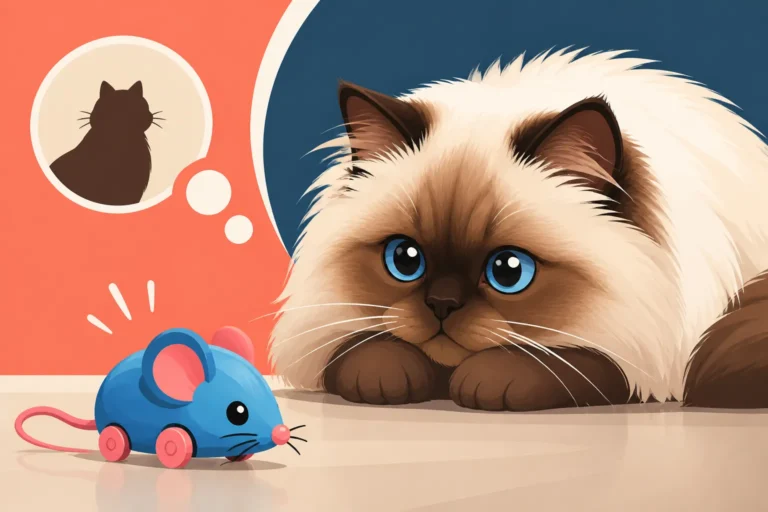
Active, high-energy play can be too much for an older cat, especially if How Arthritis Shows in a Himalayan That Never Jumped or they have How an Old Himalayan's Flat Faced Breathing Worsens. However, low-impact, ground-level play can still be very engaging. A wand toy with feathers or soft fabric dragged slowly across the floor, just at whisker-level, can often spark their hunting instincts. They might not pounce with vigor, but a slow, deliberate paw swat or a gentle chase for a few steps can provide both physical and mental exercise. The key is to keep it brief, non-strenuous, and let them "catch" the toy frequently to build their confidence. You might be surprised at Which Games Suit a Himalayan Past Twelve if they are adapted to their pace. Look for lightweight, enticing wand toys on Amazon that allow you to engage them without requiring too much movement from them.
Interactive Treat Puzzles
Mental enrichment is just as important as physical for an aging Himalayan. Simple puzzle feeders that require minimal physical effort but a bit of thought can be very satisfying. These could be as basic as placing treats in different parts of a snuffle mat, or using a very low-difficulty puzzle toy where they only need to nudge a few pieces to get a reward. This stimulates their minds without overtaxing their bodies. It's a wonderful way to prevent boredom and keep their cognitive functions sharp. Just ensure the puzzle feeders are easy for their flat faces to access; many are designed for longer muzzles.
Dedicated Grooming Sessions
While daily combing might feel like a chore sometimes, for an old Himalayan, these dedicated grooming sessions can be a source of comfort and bonding. As they age, it becomes harder for them to groom themselves, especially their dense Persian coat. Why an Overweight Himalayan Cannot Reach Its Britches or parts of its back. Gentle brushing with a soft brush or a wide-toothed comb isn't just about preventing mats; it's a soothing ritual. The physical contact, the removal of loose fur, and the feeling of being cared for can be incredibly relaxing. It's a prime example of How Little a Himalayan Asks For in a Day but how much these small acts of service mean. This is also your chance to carefully check for any lumps, bumps, or skin irritations that might be hiding under that luxurious coat.
Adapting Their Environment for Continued Joy
Making small adjustments to your home can significantly improve an old Himalayan's quality of life and encourage them to move and interact more comfortably.
Creating Accessible Comfort Zones
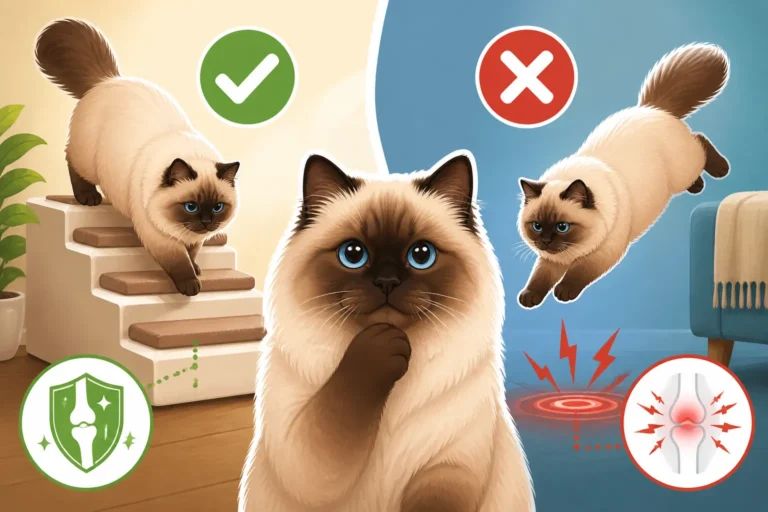
As mobility declines, what once was an easy jump becomes a daunting climb. Providing ramps or pet stairs to their favorite sofa, bed, or window perch can be a game-changer. This allows them to continue enjoying their cherished spots without pain or struggle. Think about their litter box too; a low-sided option is essential. Why a Himalayan's Box Needs a Cutaway Front makes it easier for them to step in and out without straining their hips or back. Ensure water bowls are wide and shallow to accommodate their flat face and discourage soaking their ruff, and place them in multiple, easily accessible locations around the house.
Here's a quick comparison of how a home might adapt for a senior Himalayan:
| Feature | For a Young, Active Himalayan | For an Old, Less Mobile Himalayan |
|---|---|---|
| Litter Box | Standard high-sided box for privacy | Low-sided box with a cutout or ramp for easy access |
| Sleeping Spots | Cat trees, high shelves, various furniture | Orthopedic beds, heated pads, sofa with ramp, quiet, warm floor spots |
| Play | High-intensity chase, pouncing, climbing | Gentle wand play at ground level, scent games, puzzle feeders |
| Food Bowls | Standard height and depth | Elevated, wide, shallow bowls to reduce neck strain and whisker fatigue |
| Water Access | Single water fountain or bowl | Multiple wide, shallow bowls placed strategically; perhaps a low fountain |
| Grooming | Daily comb, mostly self-grooming supplemented by owner | Daily gentle combing by owner, focus on comfort and mat prevention |
| Mobility Aids | None needed | Ramps or pet stairs to favorite elevated spots |
Prioritizing Quiet and Predictability
Older Himalayans often become more sensitive to loud noises and sudden movements. Maintaining a calm, predictable home environment can significantly reduce their stress levels and encourage them to move about more freely. Designate a quiet corner for them where they can retreat when the house gets busy. If you have guests, gently remind them to approach your senior cat slowly and speak softly. This mindful approach to their environment can make all the difference in their comfort. Also, remember that Why a Himalayan Hides Illness Behind an Expressionless Face, so watching for subtle changes in their routine or demeanor is always important.
Regular Vet Check-ups and Pain Management
One of the most powerful motivators for an old Himalayan to stay active and engaged is simply feeling well. Regular veterinary check-ups are crucial for catching age-related issues early. These check-ups might include What a Himalayan's Yearly Bloods Should Cover After Eight and discussions about pain management, especially for conditions like arthritis. If your cat is in pain, even the most appealing treat or sunbeam might not be enough to get them moving. Effective pain relief can dramatically improve their willingness to get up, stretch, and participate in gentle activities. Your vet might also discuss Which Pain Relief a Himalayan With Cysts Can Take if that is a concern for your older cat. Ensuring they are comfortable is the foundation for enjoying all the simple pleasures that still bring joy to their lives.
An old Himalayan may not have the youthful exuberance they once did, but their capacity for quiet joy, deep affection, and appreciation for routine remains strong. By understanding what truly motivates them and adapting their world to meet their changing needs, we can ensure their golden years are filled with comfort, contentment, and those gentle, deliberate movements that tell us they are still very much present and loving life.
Disclaimer
This article is for general informational purposes only and does not constitute professional advice. Laws, prices and regulations vary by location and change over time. Consult a qualified professional for guidance on your specific situation.