How Temperature Decides a Himalayan’s Point Color
It’s a peculiar thing, isn't it, when you bring home that adorable fluffy white Himalayan kitten, only to watch its fur slowly, almost magically, transform into those distinct, beautiful points you fell in love with. Or maybe you've noticed your adult Himalayan's points deepening or even lightening depending on the season, leaving you scratching your head. You’re not alone! Many Himalayan owners wonder why their cat’s coat seems to have a mind of its own when it comes to color. This guide will walk you through the fascinating truth behind your Himalayan's ever-changing palette: how the temperature in their world directly decides the vibrant hues of their points.
The Marvel of Melanogenesis: Understanding the Himalayan's Unique Color Gene
The reason your Himalayan cat displays its stunning point coloration – those darker ears, paws, tail, and mask against a paler body – is all down to a very special gene. It’s not just a random twist of fate; it's a beautifully precise genetic mechanism that makes Himalayans, and other colorpoint breeds, truly unique. Understanding this fundamental science helps demystify why their coat acts the way it does.
The Temperature-Sensitive Enzyme at Play
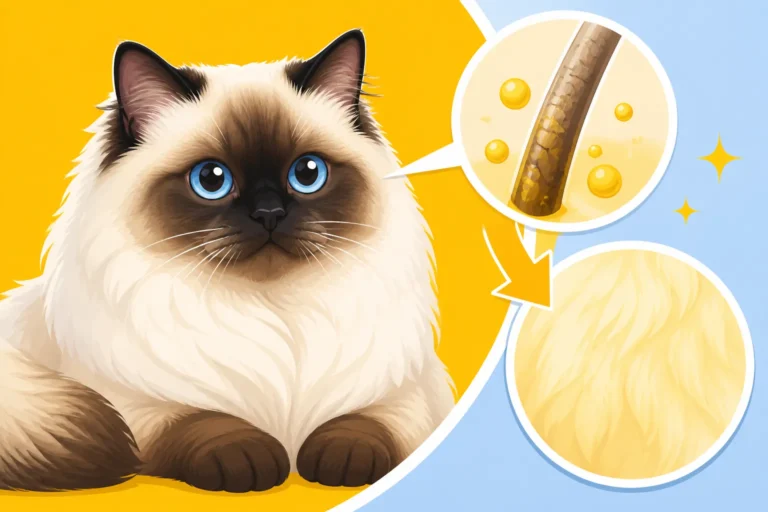
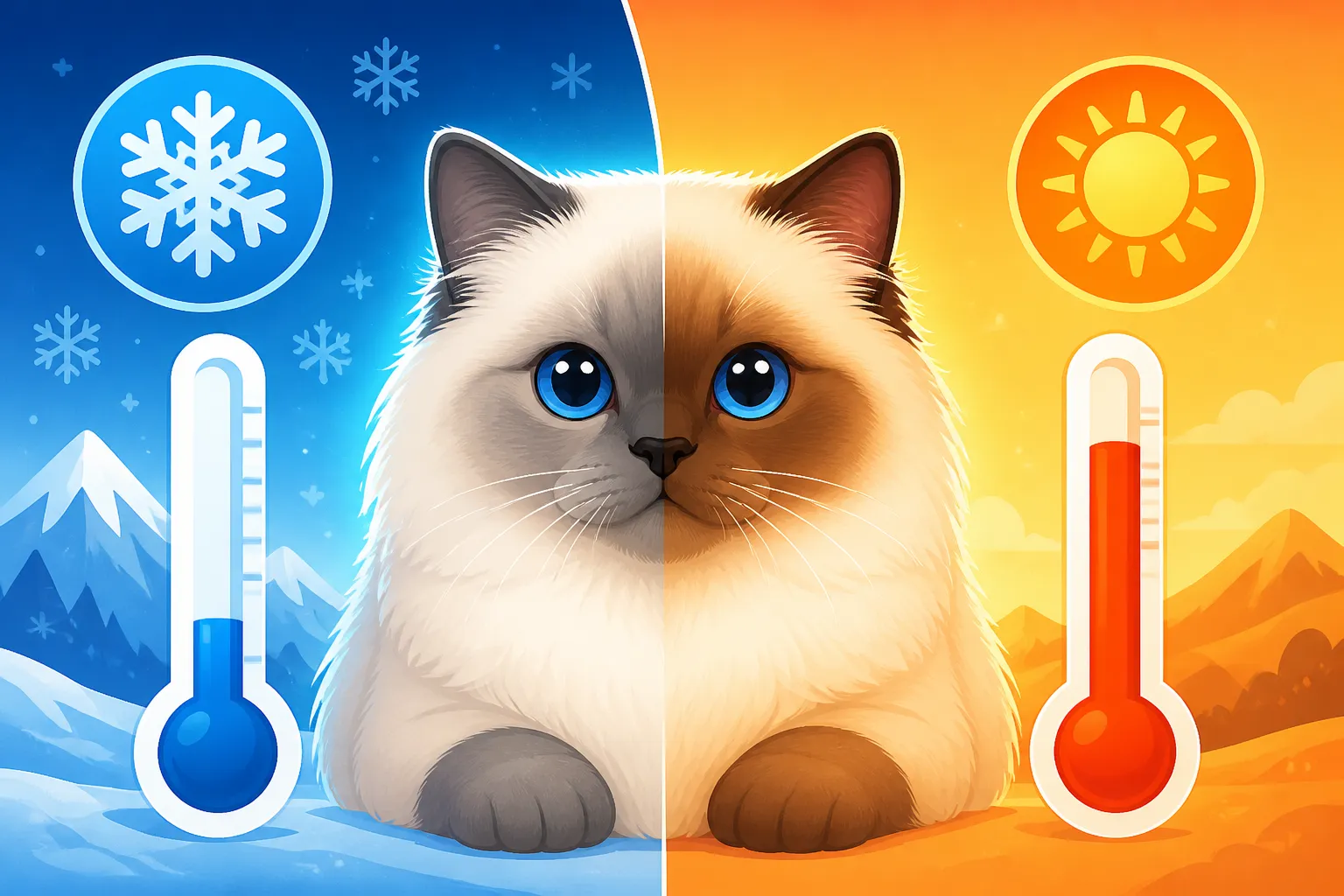
At the heart of a Himalayan's point coloration is an enzyme called tyrosinase. Now, don't let the scientific jargon intimidate you; it's actually quite simple and incredibly clever. In most cats, tyrosinase is responsible for producing melanin, the pigment that gives fur its color, and it works efficiently at normal body temperatures. But in Himalayans, and their Siamese ancestors, there's a genetic mutation that causes this tyrosinase enzyme to be temperature-sensitive. This means it only functions effectively in cooler temperatures.
Imagine it like this: the enzyme is a tiny paint factory. In most cats, the factory can churn out paint (pigment) all over the body. But in a Himalayan, the paint factory only works in parts of the body that are below a certain temperature threshold. The warmer parts of the body, like the torso, simply don't get much pigment, remaining pale, while the cooler extremities – the ears, nose, paws, and tail – receive plenty of "paint," developing into those beautiful, darker points. This is why you see the striking contrast that defines the breed.
Why Every Himalayan Kitten is Born Almost White
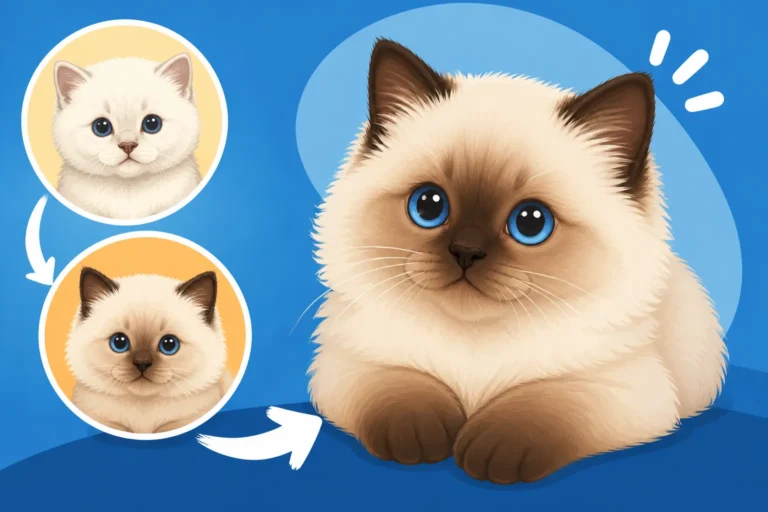
One of the most charming surprises for new Himalayan owners is seeing a litter of pure white kittens. You might wonder, "Where are the points? Is this really a Himalayan?" The answer is a resounding yes, and it’s a perfect illustration of the temperature-sensitive gene at work. When a Himalayan kitten is developing inside its mother's womb, it's living in a perfectly cozy, uniformly warm environment. The mother's body temperature keeps the entire kitten’s body above the critical temperature threshold needed for the tyrosinase enzyme to activate and produce melanin.
Because the enzyme isn't actively producing pigment during this crucial developmental stage, the kittens emerge almost entirely white or a very pale cream. It's only once they are exposed to the cooler ambient temperatures of the outside world that their genetic predisposition for point coloration can begin to express itself. This early paleness is a temporary stage, a brief window before their unique genetic inheritance starts to paint their adorable features.
The Developing Palette: Point Color Changes Through a Himalayan's Life
Watching a Himalayan kitten grow and change color is truly a delightful journey. It’s not an instant transformation; rather, it’s a gradual deepening and settling of their point coloration, influenced by everything from their age to the climate they live in. This evolving palette is one of the most endearing characteristics of the breed.
The First Blush: When a Kitten's Points Start to Show
After those first few weeks of being a fluffy white cloud, you'll start to notice the very first hints of color emerging on your Himalayan kitten. Typically, around one to two weeks of age, faint smudges of color might appear on their nose and ear tips. These initial "blushes" are often quite subtle, perhaps a light taupe for a seal point, or a pale grey for a blue point. The paws and tail often take a little longer to show distinct color. This is because these areas are the coolest parts of the kitten's body once it's out of the womb and encountering room temperature.
The exact timing and speed of this initial coloring can vary a bit from kitten to kitten, and even between different point colors. For instance, a seal point's points tend to develop faster and deeper than, say, a lilac point's, which will always remain much paler. It’s a slow reveal, but each day brings a little more definition, slowly forming the gorgeous contrast we expect. When a Himalayan Kitten's Points First Appear is a truly exciting time for any owner.
Deepening Hues: Maturation and Environmental Impact
Once the initial points have established themselves, your Himalayan's color journey is far from over. In fact, their points will continue to deepen and enrich over their lifetime, often becoming most vibrant by the time they reach two to three years of age. This deepening is a combination of continued enzyme activity in consistently cool areas and the accumulation of pigment over time. Just like a canvas being painted layer by layer, the color builds up.
Environmental temperature plays a massive role in this ongoing process. A Himalayan living in a perpetually cooler home will likely develop richer, deeper points than one in a consistently warm environment. Even something as simple as sleeping near a cold window or on a tile floor can contribute to localized darkening. This is why it's not uncommon to see a noticeable shift in color between summer and winter. How Many Years a Himalayan's Points Take to Finish really highlights this long-term development.
Shaved Patches: A Temporary Dark Spot
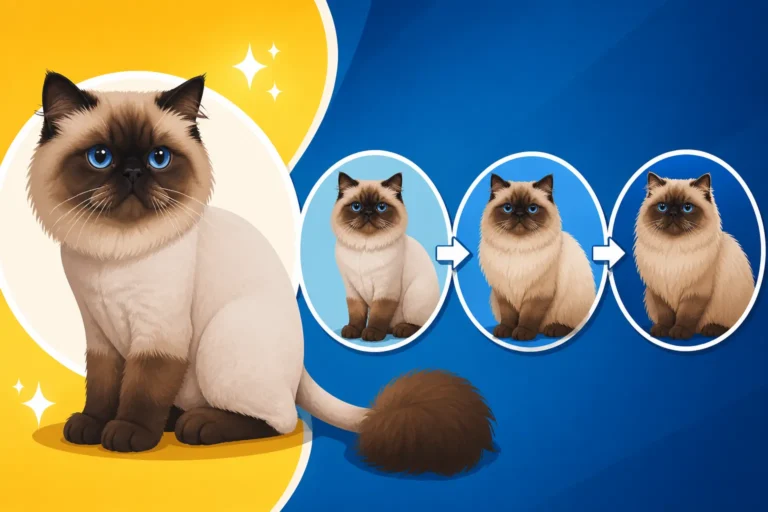
One of the most striking, and sometimes alarming, examples of temperature influencing point color comes when a Himalayan has a patch of fur shaved, perhaps for a medical procedure or to remove a stubborn mat. You might find that when the fur starts to grow back, the new growth in that specific area appears significantly darker than the surrounding body coat. This isn't cause for concern; it's just the tyrosinase enzyme doing its job!
When the dense fur is removed, that area of skin becomes cooler because it's no longer insulated by the thick Persian coat. This drop in temperature allows the pigment-producing enzyme to become active, resulting in darker fur growing back. As the new fur grows longer and provides more insulation, or if the cat spends more time in warmer conditions, the color may gradually lighten again, but it serves as a powerful visual reminder of the genetic mechanism at play. How a Shaved Patch Regrows Darker on a Himalayan explains this phenomenon in detail.
Your Home's Climate: The Ultimate Brushstroke on Your Himalayan's Coat
It might sound strange, but the thermostat setting in your home can genuinely act like an artist's brush for your Himalayan's coat. The ambient temperature of their living environment has a direct, visible impact on the shade and contrast of their points. This is why two Himalayans with the exact same genetics might look subtly different if they live in different climates or different temperature-controlled homes.
Ambient Room Temperature: Warmth vs. Coolness
Consider the average temperature you keep your home. If you're someone who likes a consistently cozy, warm house, say around 75°F (24°C) or higher, you might notice your Himalayan's body coat remaining exceptionally pale, but their points might also appear a shade or two lighter than a cat kept in a cooler home. The consistent warmth slightly inhibits the tyrosinase enzyme even in the extremities, preventing the deepest possible pigment expression.
Conversely, a Himalayan living in a home that's kept cooler, perhaps around 68-70°F (20-21°C), especially in temperate zones, will likely exhibit more vivid, darker points. The lower ambient temperature allows the enzyme to work at its peak efficiency in the cooler areas of the body, leading to a more pronounced contrast. This isn't about making your cat uncomfortable, of course, but simply acknowledging that their environment is constantly interacting with their genetics. Why a Himalayan in a Cold House Darkens All Over really drives home this point.
Seasonal Shifts: Winter Deepens, Summer Lightens
Just as seasons change outside, so too can your Himalayan's coat adapt. Many owners observe that their cat’s points appear darker and richer during the colder winter months. This is a direct consequence of the colder ambient temperatures. During winter, both your home and the air your cat is exposed to will naturally be cooler, allowing for greater pigment production in the points. You might even notice a slight 'smudging' of color further onto their body if they're particularly prone to getting cold.
As summer rolls around, and temperatures rise, you might see a subtle lightening of your Himalayan’s points. The warmer air, combined with less time spent in cooler spots, can cause the enzyme to be less active, resulting in a slightly faded appearance. This isn't a permanent change, but rather a temporary adjustment to their environment. It’s a constant, dynamic interplay, making each season a new chapter in your Himalayan’s color story.
Grooming Routines and Temperature Effects
Even your grooming routine can indirectly influence coat temperature and, by extension, point color. For example, if your Himalayan needs a bath, the water temperature used and how quickly they are dried can have a fleeting effect. A lukewarm bath followed by thorough, but not excessive, blow-drying can help maintain their natural contrast. However, leaving them damp or exposing them to drafts right after a bath could temporarily cool certain areas, potentially encouraging darker regrowth if it were a shaved patch, as discussed earlier.
Using specific grooming tools, such as the right steel comb from a brand like Chewy, helps distribute the natural oils and maintain the insulating quality of the coat, which stabilizes skin temperature. While the goal of grooming isn't usually to alter color, understanding this temperature sensitivity can help you avoid unintended changes, like those darker patches after a close shave.
Beyond Aesthetics: Practical Considerations of Point Color
While the beauty of a Himalayan's changing points is captivating, there are also practical considerations that come with understanding how temperature affects their color. From health indicators to show ring standards, knowing the 'why' behind the shades can be quite useful for any dedicated Himalayan parent.
Health Insights from Color Changes
Sometimes, a sudden or unusual change in your Himalayan's point color can offer a subtle hint about their health. For instance, if your cat is ill and running a fever, the elevated body temperature could potentially inhibit pigment production, leading to a slight lightening of the points. Conversely, certain illnesses that cause a cat to feel colder or become lethargic, leading to a lower core body temperature, might, in rare cases, result in darker-than-usual areas.
It's important not to jump to conclusions based solely on color, but rather to consider it alongside other symptoms. A veterinarian will always look at the overall picture of your cat's health, but knowing that temperature affects their color can help you understand subtle shifts you observe. For example, a cat that has lost a lot of weight or is having trouble regulating its body temperature might show unusual coat changes, and this information can be helpful context for your vet.
Showing Your Himalayan: The Standard for Point Contrast
For those who participate in cat shows, understanding point color and its relationship to temperature is paramount. Show standards for Himalayans emphasize a clear, distinct contrast between the body color and the points. The body should be a pale, unshaded cream or fawn, with the points being well-defined and uniformly colored in their respective shade (seal, blue, chocolate, lilac, flame, cream, tortie, or lynx). A "smudged" or poorly contrasted coat can lead to deductions in judging. How Judges Score a Himalayan's Point Contrast is a fascinating read if you're interested in the finer details.
Judges are looking for that crisp differentiation, which can be influenced by how a cat is kept. While genetics lay the groundwork for the type of point color, environmental temperature management can enhance or diminish the quality of that contrast. A cat kept in a very warm environment might have points that appear too light or blend too much with the body, whereas a consistent, cooler environment tends to produce the sharp contrast desired in the show ring.
Managing Coat Color for Desired Aesthetics
While you can't fundamentally change your Himalayan's genetic color, you can certainly influence the expression of that color through managing their environment. If you prefer your Himalayan to have deeper, more vibrant points, maintaining a slightly cooler home environment (within comfortable limits for your cat, of course) can help. Providing cool resting spots, like tile floors or cooling mats available on Amazon, can also encourage localized darkening in areas like their tummy or sides if they choose to lie there frequently.
Similarly, if you're trying to achieve a very pale body coat for a show cat, ensuring they have plenty of warm, cozy spots and avoiding excessive exposure to cold might be considered. Some breeders even pay attention to diet, using high-quality foods known for supporting coat health, though the primary driver of point color is temperature, not diet. Why a Poorly Contrasted Himalayan Loses in the Ring illustrates the importance of these considerations.
Myths and Realities: What Else Can Influence a Himalayan's Coat?
With something as dynamic as coat color, it's easy for myths to emerge. It's crucial to separate fact from fiction and understand that while temperature is the dominant factor, a few other elements can play a minor supporting role in your Himalayan's overall appearance.
Genetics vs. Environment: The Core Truth
Let's reiterate the core truth: genetics determine the potential for your Himalayan's point color, while temperature dictates its expression. Your cat is genetically a seal point, blue point, or whatever specific coloration it carries, regardless of how light or dark those points appear. The temperature-sensitive enzyme doesn't change the underlying genetic code; it merely activates or deactivates based on thermal conditions.
This means you can't take a genetically blue point Himalayan and make it a seal point just by keeping it in the fridge! The color type is fixed from birth, but the intensity and contrast are highly malleable. Understanding this distinction is key to appreciating your Himalayan's unique beauty.
Permanent Changes vs. Temporary Shifts
Most of the color variations due to temperature are temporary shifts. As discussed, your cat's points might darken in winter and lighten in summer. However, there are some more permanent changes that occur with age. As a Himalayan cat grows older, their body's ability to regulate temperature can change, and sometimes their metabolism slows down. Over the years, many Himalayans experience a general darkening of their body coat, making the contrast with their points less stark. Why an Old Himalayan Looks Almost Solid Colored describes this phenomenon perfectly.
This age-related darkening is often irreversible and is part of the natural aging process for colorpoint cats. It's not a sign of poor health (unless other symptoms are present) but simply a testament to their long and wonderful life. It's a cherished transformation for many owners, seeing their cat's color mature with them.
Other Factors That Can Influence Coat Appearance (But Not Point Color Itself)
While temperature is king for point color, other factors can influence the overall appearance of your Himalayan's coat, though they don't change the fundamental point coloration mechanism. These include:
- Sunlight Exposure: Excessive direct sunlight can sometimes cause a cat's fur, including the points, to "bleach" slightly or take on a reddish hue, especially in darker point colors. It's more about fur damage than pigment change. Always protect your Himalayan from prolonged sun exposure, not just for coat health but for their comfort, as they can overheat quickly.
- Diet and Nutrition: A high-quality, balanced diet is essential for overall coat health, shine, and texture. While diet won't turn your blue point into a chocolate point, a diet rich in essential fatty acids (like those found in certain cat foods or supplements from reputable brands on Chewy or Amazon) can contribute to a healthy, vibrant coat. A dull, dry coat can make any color look less appealing, regardless of point intensity.
- Medical Conditions and Medications: As mentioned, illnesses affecting body temperature can have a transient effect. Additionally, certain medications, particularly those that affect metabolism or hormonal balance, could theoretically lead to subtle, temporary changes in coat color or texture. If you notice any drastic or unexplainable changes, a vet visit is always warranted.
Ultimately, your Himalayan's point color is a beautiful, living canvas, constantly being painted by the world around them. Embracing these changes is part of the joy of owning such a magnificent and unique feline companion.
| Aspect of Color Change | Primary Cause | How it Manifests | Permanence | Management Implication |
|---|---|---|---|---|
| Kitten Birth Color | Uniform warmth in womb | Born almost entirely white or very pale cream | Temporary | Expect points to develop in weeks. |
| Point Development | Exposure to cooler air, age | Gradual darkening of extremities (ears, mask, paws, tail) | Permanent (cumulative) | Provide a stable, comfortable temperature. |
| Shaved Patches | Reduced insulation, local cooling | Darker fur regrowth in shaved area | Temporary (as fur grows) | Understand it's normal, not a flaw. |
| Seasonal Shifts | Ambient temperature fluctuations | Points deepen in winter, lighten slightly in summer | Temporary | Adjust heating/cooling to cat's comfort, not just color. |
| Aging | Metabolic changes, decreased insulation | General darkening of body coat, less contrast | Permanent | Appreciate the mature beauty; ensure health is monitored. |
| Illness/Fever | Elevated body temperature | Slight, temporary lightening of points | Temporary | Consult vet for any underlying health issues. |
Disclaimer
This article is for general informational purposes only and does not constitute professional advice. Laws, prices and regulations vary by location and change over time. Consult a qualified professional for guidance on your specific situation.