Why a Lion Cut Grows Back Darker on a Himalayan
Himalayan cat coat color changes after a lion cut due to temperature sensitive genetics affecting melanin production.
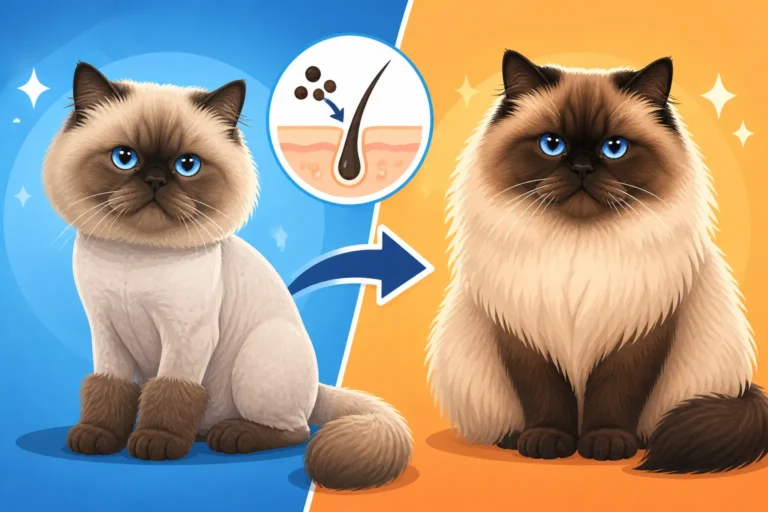
Himalayan cat coat color changes after a lion cut due to temperature sensitive genetics affecting melanin production.
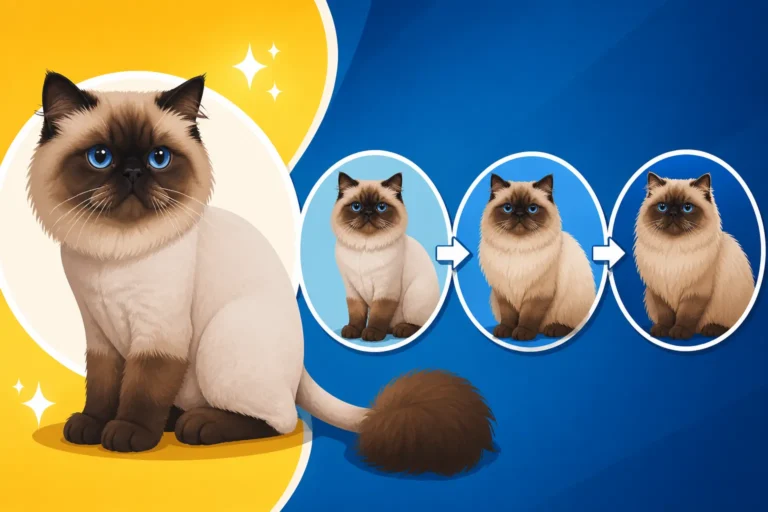
Himalayan cat coat regrowth timelines depend on age and health, varying for younger cats and older cats past eight or nine years.
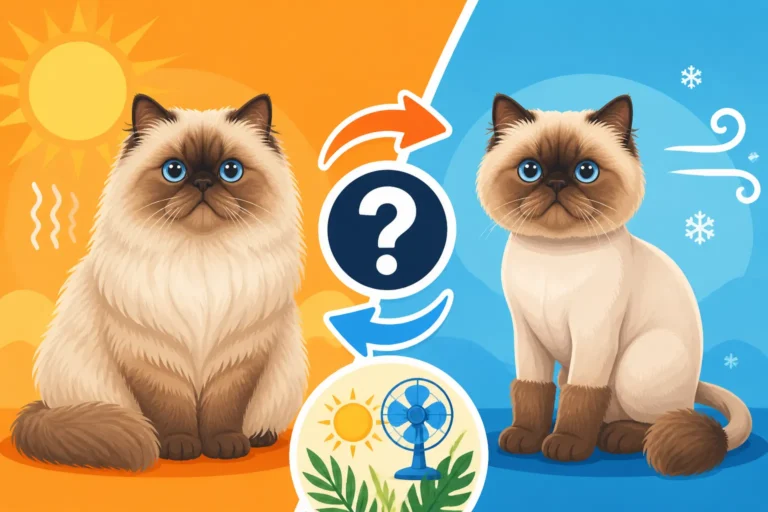
Himalayan summer coat care details the pros, cons, and alternatives of lion cuts for heat-stressed cats struggling with dense fur.
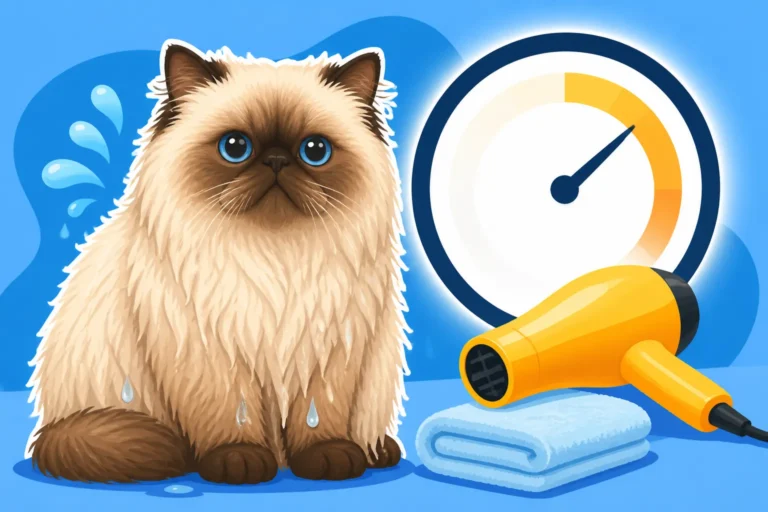
Himalayan cat drying time and coat moisture depend on double-coat density, skin trapping, and matting factors.
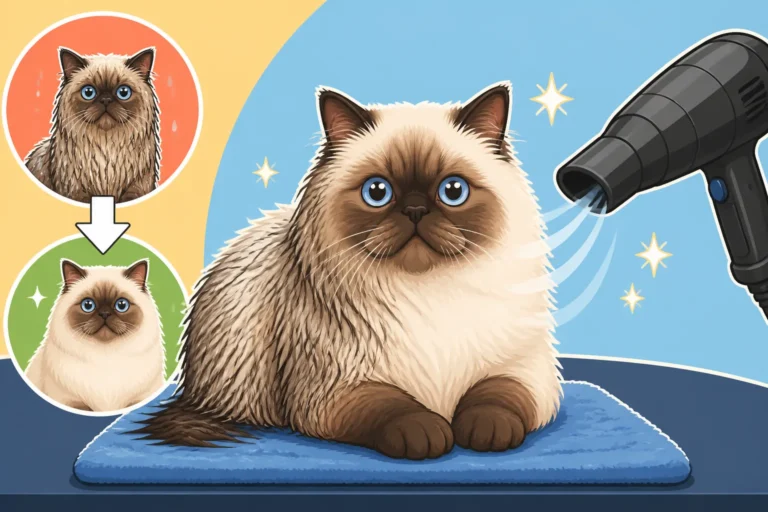
Drying a Himalayan cat completely to the skin prevents painful mats, dangerous chilling, and skin infections caused by trapped moisture.
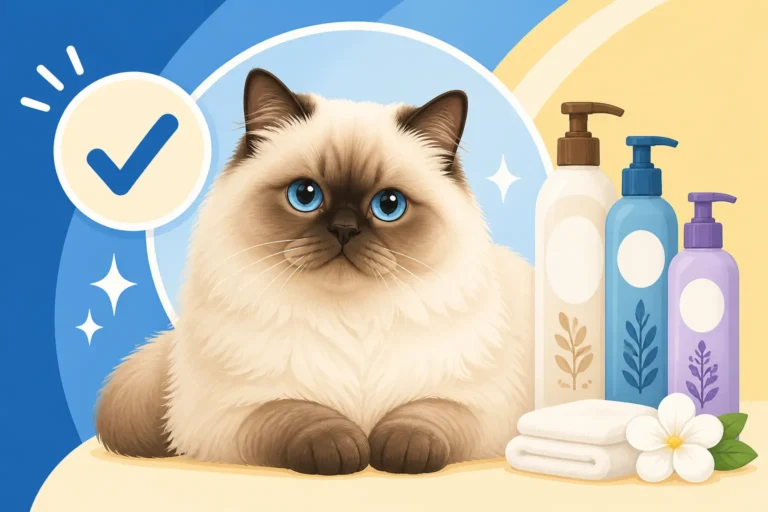
Himalayan cat shampoo selection and bathing routines explain how to keep pale double coats clean without stripping natural oils.
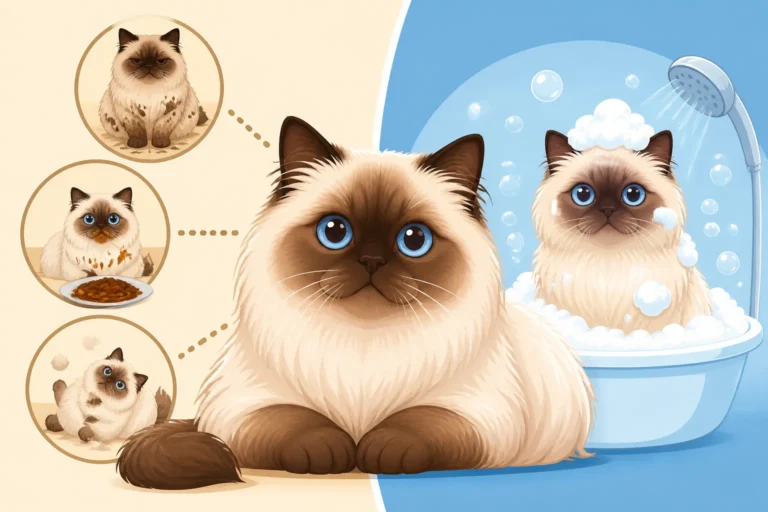
Himalayan cat bathing requires caution because over bathing harms natural oils, leaving rare instances where a wash is necessary.
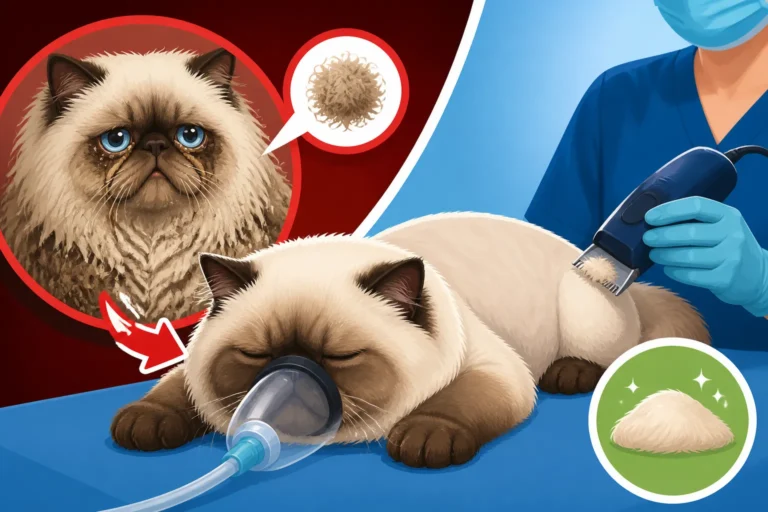
Severe matting in a Himalayan cat causes pain and requires a professional clipping under sedation for safe removal.
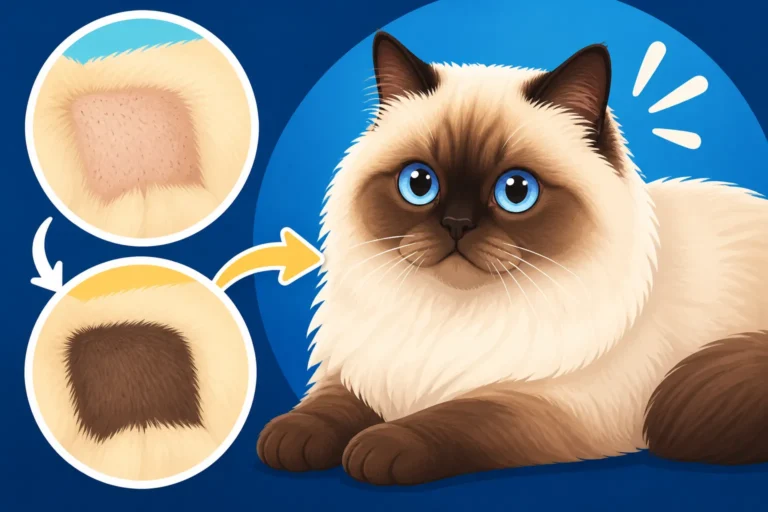
Temperature sensitive albinism and skin temperature changes explain why clipped Himalayan cat fur grows back darker.
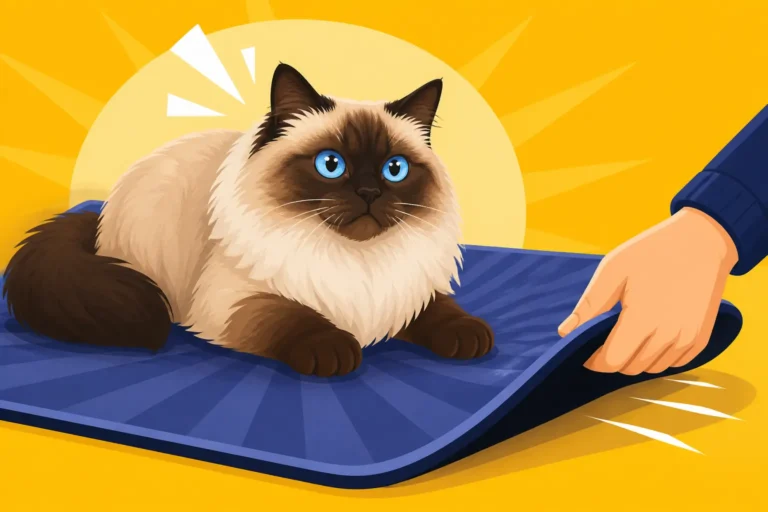
Himalayan cat coat mats require specific techniques to remove safely from sensitive areas like armpits, britches, and ears.