The Nine to Fifteen Years a Himalayan Usually Gets
It's heartbreaking to think about our beloved feline companions not being with us forever, and when you bring a beautiful Himalayan into your home, you naturally want to know how many precious years you can expect to share. These magnificent cats, with their striking blue eyes and luxurious coats, often come with questions about their unique health needs and how those might impact their time with us. This comprehensive guide aims to shed light on the typical lifespan of a Himalayan cat, delving into the factors that influence their longevity and how you can maximize their health and happiness for many years to come.
Understanding the Himalayan Lifespan: More Than Just a Number
When we talk about a cat's lifespan, it's never a hard and fast rule; rather, it's an average based on genetics, care, and a bit of luck. For Himalayans, the general consensus is that they usually live between nine and fifteen years. This range is broad, reflecting the various factors at play. Owners often wonder if their cat's specific facial type or point color affects their longevity, but while some physical traits can impact quality of life, the overall genetic health and dedicated care are truly what make the biggest difference. It's a journey, not a sprint, and understanding what makes them tick is the first step in ensuring they stay with you for as long as possible.
The Persian and Siamese Influence on Longevity
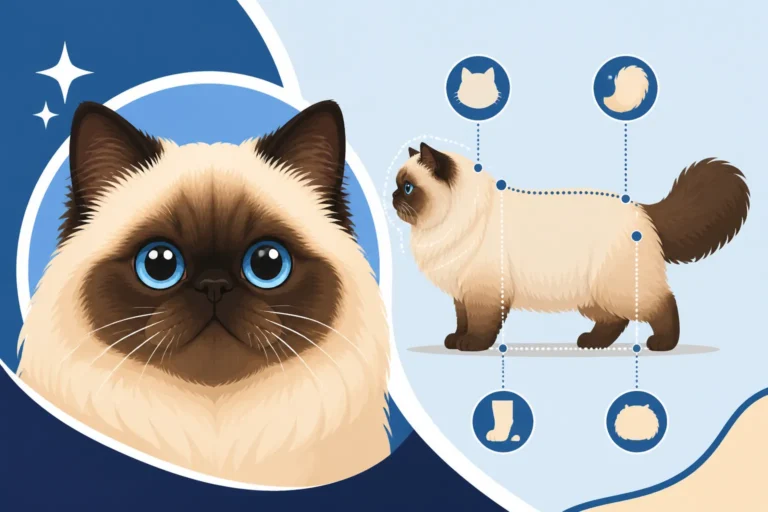
The Himalayan breed is essentially a cross between a Persian and a Siamese, created to combine the Persian's plush coat and docile temperament with the Siamese's striking color points and captivating blue eyes. This unique heritage plays a significant role in their lifespan. From the Persian side, they inherit their sturdy, cobby body type and that iconic long, flowing coat, but also a predisposition to certain genetic health conditions that we'll explore in detail. The Siamese contribution brought the colorpoint gene and those intense blue eyes, and fortunately, the Siamese are generally a robust, long-lived breed, averaging 12-15 years or more. This blend means that a Himalayan's longevity often sits somewhere in the middle, leaning heavily on the diligent health testing of their parent lines. You might be interested in How Long a Himalayan Lives Against Its Persian Half to get a clearer picture of this blend.
Consider a cat named Luna, a beautiful Blue Point Himalayan. Her breeder was meticulous, ensuring both her Persian and Siamese lineage were thoroughly health-tested. Luna inherited the robust health often seen in well-bred Siamese lines, combined with the calm disposition of a Persian. Her vet always remarks on her excellent condition for her age, attributing it to good genes and dedicated home care. Conversely, another Himalayan, named Oliver, from a less scrupulous breeder, developed early kidney issues, a condition more prevalent in some Persian lines, sadly shortening his potential years. This highlights how crucial the genetic health of both ancestral lines is in determining a Himalayan's individual longevity. It’s not just about getting a pretty cat; it’s about getting a healthy cat, and that starts with understanding their genetic background.
General Expectations for Himalayan Age
The typical range of nine to fifteen years for a Himalayan often surprises new owners, as many purebred cats are projected to live longer. However, due to some inherent breed challenges, this is a realistic expectation. A healthy Himalayan cat, well-cared for, receiving regular veterinary attention, and kept in a safe, stimulating indoor environment, certainly has every chance of reaching the upper end of that scale, or even exceeding it. The key is proactive care and awareness of their specific needs.
For instance, a friend of mine, Sarah, has a Himalayan named Mochi who just turned 16! Mochi has been an indoor cat her entire life, fed a high-quality diet, groomed daily, and has never missed a vet appointment. Sarah also made sure to adopt Mochi from a breeder who provided Which Two Certificates a Himalayan Breeder Owes You and verified that the parents were screened for common genetic issues. Mochi’s biggest health concern in her later years has been some mild arthritis, easily managed with supplements and gentle care. This isn't an anomaly; many Himalayans, with the right approach, can enjoy a lengthy and fulfilling life. It’s about being a diligent owner, committed to understanding and addressing their needs throughout their life cycle.
Dispelling Common Misconceptions
There are many myths floating around about the health and lifespan of certain breeds, and Himalayans are no exception. One common misconception is that all flat-faced cats are inherently unhealthy and doomed to short lives. While it's true that their brachycephalic (flat) faces can lead to certain respiratory and ocular issues, it doesn't automatically mean a short life for every Himalayan. Responsible breeding has made significant strides in selecting for healthier facial structures that minimize extreme traits, and excellent daily care can mitigate many potential problems.
Another myth is that their long coats make them susceptible to constant health issues. While grooming is undeniably a commitment, a well-maintained coat actually protects their skin and regulates their temperature. Neglect, however, can quickly lead to matting, skin infections, and discomfort, which can impact their overall health and lifespan. Consider the case of two Himalayans, Bella and Charlie. Bella, with her moderately flat face, has never had significant breathing issues thanks to a breeder who prioritized healthy airways and an owner who keeps her at a healthy weight and cool in summer. Charlie, from a less ethical background, had a very extreme 'Peke face' profile, struggled with breathing from a young age, and sadly, his quality of life was severely impacted. This isn't about the breed itself, but the type of breeding and the level of care provided. It's about empowering owners with knowledge, not fear.
Genetic Health: The Double-Edged Sword of Their Ancestry
The Himalayan, being a hybrid breed, unfortunately inherits a genetic lottery that includes predispositions from both the Persian and Siamese lines. While they gain the stunning looks and delightful personality, they also carry the potential for certain inherited health conditions. Understanding these conditions, identifying reputable breeders who screen for them, and being vigilant about early detection are paramount to ensuring a long and healthy life for your beloved companion. Knowledge truly is power when it comes to managing their genetic heritage.
Polycystic Kidney Disease PKD from the Persian Side
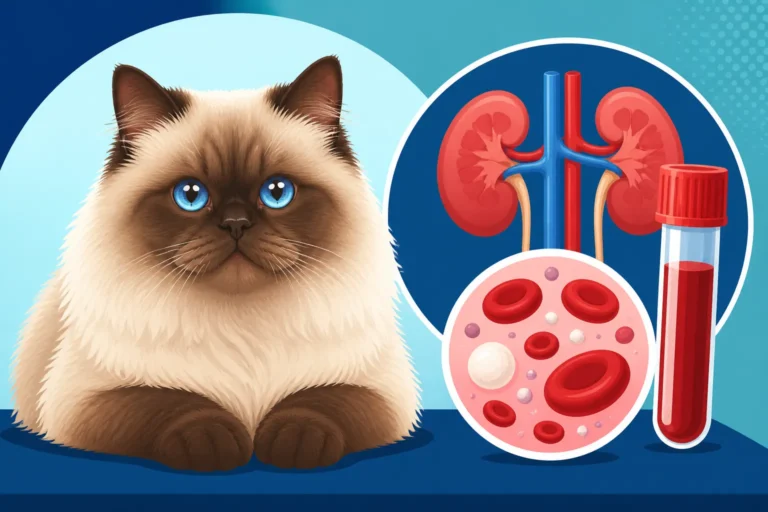
One of the most significant genetic health concerns for Himalayans, directly inherited from their Persian lineage, is Polycystic Kidney Disease (PKD). This is an inherited condition that causes fluid-filled cysts to form in the kidneys, gradually enlarging over time and eventually leading to kidney failure. What's particularly worrying is that a cat only needs to inherit one copy of the defective gene to develop the disease, and signs often don't appear until later in life, typically between three and ten years of age. This makes early genetic testing absolutely critical. PKD1 Came Down the Persian Side of a Himalayan, and its impact has been widely studied.
Imagine discovering your four-year-old Himalayan, Smudge, is showing signs of increased thirst and urination, and a vet visit confirms early-stage PKD. This is a devastating diagnosis, but one that can be managed if caught early. Reputable breeders today rigorously test their breeding cats for the PKD gene using a simple DNA cheek swab, ensuring that no affected cat is bred and therefore stopping the transmission of the disease to future generations. If you're considering a Himalayan, always ask for proof of PKD testing for both parents. Products like Royal Canin Renal Support cat food, while not a cure, can help manage the condition and extend life once symptoms appear. This proactive approach by breeders and informed choices by owners are changing the landscape for Himalayans, making it possible for many to avoid this devastating disease entirely.
Progressive Retinal Atrophy PRA from the Persian Side
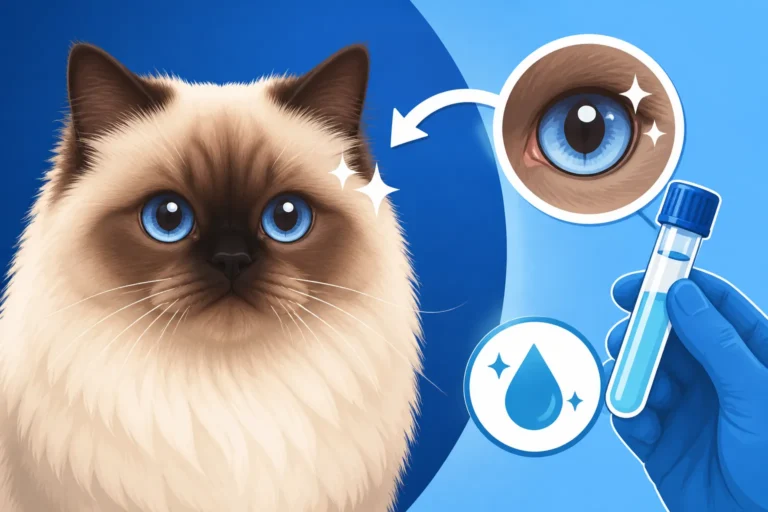
Another serious genetic condition that can trace its roots back to the Persian side of the Himalayan family tree is Progressive Retinal Atrophy (PRA). This is a degenerative eye disease that leads to the gradual deterioration of the retina, ultimately resulting in blindness. Like PKD, PRA is often insidious, with early signs being subtle, such as reduced night vision, before progressing to full blindness. The age of onset can vary, but sadly, it often manifests between three and five years of age. You can find more details on Retinal Atrophy Reached the Himalayan From the Persian Too and its progression.
Consider a scenario with a beautiful Seal Point Himalayan named Jasmine. Her owners, noticing she was bumping into furniture in dimly lit rooms, took her to the vet. After a referral to a veterinary ophthalmologist, Jasmine was diagnosed with PRA. While there's no cure for PRA, knowing about it allowed her owners to make adjustments to their home, keeping furniture in consistent places and using night lights, helping Jasmine adapt wonderfully to her diminishing eyesight. Again, this emphasizes the importance of responsible breeding. Breeders should screen their breeding cats for the PRA gene, just as they do for PKD. This is typically done through a DNA test that can identify carriers and affected cats, ensuring that future litters are free from this heartbreaking condition. A reputable breeder will happily provide documentation of these tests, offering peace of mind to prospective owners.
Other Inherited Conditions to Be Aware Of
Beyond PKD and PRA, Himalayans can be predisposed to a few other inherited conditions. Hypertrophic Cardiomyopathy (HCM), a thickening of the heart muscle, is a concern in many purebred cats, including Persians and therefore Himalayans. While not as prevalent or directly linked to one side of their ancestry as PKD or PRA, regular cardiac screening, especially for breeding cats, is a good practice. Hip dysplasia, though more commonly associated with dogs, can occasionally be seen in some cat breeds, including the cobby-bodied Persians and Himalayans, leading to arthritis and discomfort in later life.
For example, a gorgeous Chocolate Point Himalayan named Max developed a heart murmur around age seven. His owners, with the help of a veterinary cardiologist, managed his HCM with medication, allowing him to live a comfortable life for several more years. This proactive approach to health, combined with a willingness to invest in specialized care, made a huge difference. Pet insurance, like that offered by Healthy Paws, can be an invaluable resource when dealing with such unexpected and potentially costly conditions. Having a policy from Healthy Paws in place early can alleviate financial stress, allowing you to focus on getting your cat the best possible treatment without worrying about mounting vet bills. These conditions underscore the importance of a comprehensive veterinary exam annually, especially as your Himalayan ages.
The Impact of Their Unique Anatomy on Health
The very features that make the Himalayan so endearing – their flat faces, distinctive blue eyes, and lush coats – also present specific health challenges. These anatomical traits require diligent care and attention from owners to prevent discomfort and serious health issues. Understanding these unique needs is fundamental to providing them with a high quality of life and ensuring they live out their full potential lifespan. It's not about changing them, but about adapting our care to suit their beautiful, unique selves.
Brachycephalic Challenges and Breathing
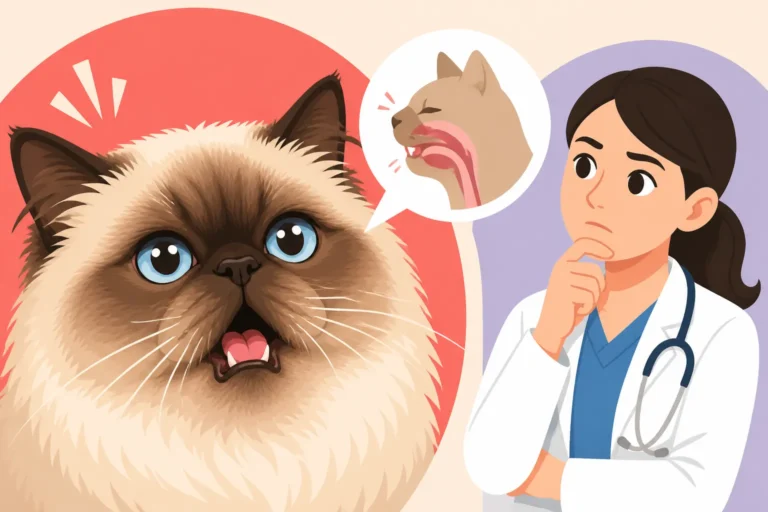
The Himalayan's adorable flat face, or brachycephalic structure, is a defining characteristic but also the source of potential breathing difficulties. This flattened facial structure means they have shortened nasal passages, and sometimes an elongated soft palate, making it harder for them to breathe efficiently, especially during exercise or in warm weather. This is often Why a Himalayan Snores Louder Than Its Siamese Ancestors and may struggle more quickly during play.
Consider Mittens, a beloved Cream Point Himalayan. Her owners noticed she would pant excessively after even short play sessions and often snored quite loudly when sleeping. A visit to the vet revealed she had a somewhat narrowed airway. While not severe enough for surgery, her owners learned to keep her play sessions short and gentle, ensure she always had access to cool, shaded areas, and monitored her weight carefully, as extra pounds can severely exacerbate breathing issues. They also keep their home comfortably air-conditioned during hotter months, understanding that their cat simply can't cool herself as effectively as other breeds. In some more extreme cases, surgical intervention, such as widening the nostrils or shortening the soft palate, might be recommended by a vet to improve their quality of life and reduce the strain on their respiratory system.
Eye Care and Tear Staining Issues
Those mesmerizing blue eyes of a Himalayan, often large and round, can sometimes come with their own set of challenges. Due to their flat faces, their tear ducts can become slightly kinked or blocked, leading to epiphora, which is excessive tearing. These tears often spill onto their facial fur, causing distinctive reddish-brown tear stains, especially noticeable on lighter-colored Himalayans like a cream or white body. Beyond the cosmetic aspect, constant dampness can lead to skin irritation or even yeast infections in the facial folds and under the eyes.
Take the example of fluffy Leo, a Lynx Point Himalayan whose owners initially thought his tear stains were just part of his charm. However, over time, the dampness caused mild skin irritation and an unpleasant odor. Their vet recommended a daily routine: gently wiping his eyes and the surrounding area with a soft, damp cloth or specialized pet eye wipes to remove discharge and keep the area dry. They also learned to check for signs of entropion, where the eyelid rolls inward, causing eyelashes to rub against the cornea – a painful condition that needs veterinary attention. Why a Himalayan's Eyes Water All Day is a common concern for owners. Regular cleaning and vigilance are key to preventing secondary issues and keeping their eyes healthy and comfortable throughout their lives.
Dental Health in a Crowded Jaw
The flat facial structure of Himalayans also impacts their oral health. Their shortened jaws mean that their teeth are often crowded and misaligned, which can lead to a host of dental problems. Food particles and bacteria are more easily trapped between crowded teeth, leading to plaque and tartar buildup at an accelerated rate. This predisposes them to gingivitis, periodontal disease, and even painful tooth root abscesses earlier in life than many other cat breeds. This is Why a Himalayan Needs Dentals Earlier Than a Siamese.
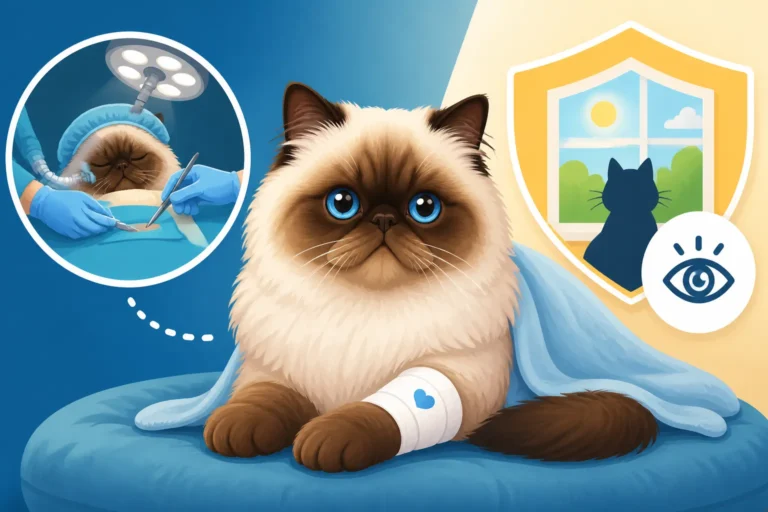
Consider the story of Phoebe, a lovely Seal Point Himalayan who, by age five, already had significant dental disease despite her owners trying to brush her teeth. Her crowded jaw made it nearly impossible to clean effectively. Her vet advised annual professional dental cleanings under anesthesia, which involved scaling, polishing, and a few extractions of severely affected teeth. While seemingly a big step, these regular cleanings significantly improved Phoebe's comfort, prevented pain, and undoubtedly contributed to her overall health and longevity. Left untreated, severe dental disease can lead to systemic infections affecting the heart, kidneys, and other organs, ultimately impacting a cat's lifespan. Proactive dental care, including home brushing if tolerated, dental treats, and regular vet check-ups, is absolutely non-negotiable for Himalayans.
Nutrition and Weight Management for a Longer Life
Feeding a Himalayan isn't just about putting food in a bowl; it's about understanding their unique dietary needs, their build, and their activity level to ensure they maintain a healthy weight and receive optimal nutrition. Given their cobby body type and often more sedentary lifestyle, they can be prone to weight gain, which exacerbates many of their breed-specific health challenges. Proper nutrition is a cornerstone of a long and vibrant life.
Tailoring Diet to Their Lifestyle and Face Shape
Himalayans, being descendants of Persians, generally have a lower activity level compared to their Siamese ancestors. This means they burn fewer calories. Their brachycephalic faces also present practical challenges for eating. Many standard cat bowls are too deep or narrow, making it difficult for them to comfortably reach their food without bending their whiskers or pushing food out. This often leads to messy eating or even reluctance to eat certain foods.
Take Shadow, a dignified Black Point Himalayan. His owners noticed he often left food scattered around his bowl and would sometimes get frustrated trying to eat dry kibble. After consulting with their vet, they switched to a wide, shallow bowl, almost plate-like, which allowed Shadow to eat without discomfort. They also opted for a kibble specifically designed for brachycephalic breeds, which tends to have a flatter, more accessible shape. Furthermore, they measured his food meticulously, as he's an indoor cat with a penchant for napping. This tailored approach ensured he was getting adequate nutrition without overeating, and without the stress of an uncomfortable dining experience. It's about finding what works best for their unique physiology, making mealtime a pleasant experience, not a struggle.
Preventing Obesity in a Cobby Breed
Their cobby build, combined with a generally relaxed temperament, makes Himalayans particularly susceptible to obesity. An overweight cat, regardless of breed, faces an increased risk of diabetes, arthritis, heart disease, and liver problems, all of which can significantly shorten their lifespan. For Himalayans, excess weight further strains their already compromised respiratory systems and makes grooming their long coats much more difficult, potentially leading to painful matting and skin issues. What a Himalayan's Cobby Frame Should Weigh is a critical piece of information for every owner.
Consider fluffy Snowflake, a stunning Blue Cream Point Himalayan who, at seven years old, had crept up to 14 pounds, well over her ideal weight of 9 pounds. Her owner, initially thinking "fluffy just meant big," realized the extent of the problem when Snowflake started moving less and struggling to clean her hindquarters. Under veterinary guidance, Snowflake began a weight-loss journey involving a prescription weight-management diet, carefully measured portions, and increased, but gentle, play sessions. Within a year, she was back to a healthy weight, moving more freely, and her breathing improved significantly. Preventing obesity is a marathon, not a sprint, requiring consistency and dedication. Regular weigh-ins at home and during vet visits are crucial for early detection of creeping weight gain.
Hydration and Kidney Support
Adequate hydration is vital for all cats, but it becomes particularly important for Himalayans, especially given their predisposition to Polycystic Kidney Disease (PKD). While a genetic test can confirm PKD, ensuring good kidney function through proper hydration is always beneficial. Many cats don't drink enough water from still bowls, as their instincts often lead them to prefer moving water sources.
For Mittens, the Cream Point Himalayan mentioned earlier, her owners were acutely aware of the PKD risk. They made several changes to encourage her to drink more. They introduced a cat-specific drinking fountain, which she immediately took to, fascinated by the bubbling water. They also incorporated more wet food into her diet, which has a much higher moisture content than dry kibble, effectively increasing her daily fluid intake. They learned that Why Extra Thirst in a Himalayan Points at Its Persian Half can be a subtle but significant symptom. These simple strategies can go a long way in supporting kidney health and flushing out the urinary system, potentially delaying the progression of kidney issues and supporting their overall well-being throughout their life.
Grooming and Environmental Factors for Well-being
Beyond genetics and nutrition, the daily care and environment you provide play an enormous role in your Himalayan's health and comfort, directly impacting their lifespan. Their magnificent coats and sensitivity to temperature demand specific attention. Neglecting these aspects can lead to discomfort, skin problems, and even severe medical issues that can significantly detract from their quality of life.
The Daily Coat Maintenance Imperative
A Himalayan's long, dense, double coat is undeniably beautiful, but it requires serious commitment to daily grooming. This isn't just for aesthetics; it's a vital part of their health routine. Without daily combing, their fine undercoat quickly forms mats, especially in high-friction areas like the armpits, behind the ears, and in their "britches" (the long fur on their hindquarters). These mats can pull on the skin, causing pain, restricting movement, and leading to skin infections and parasites. This is Why a Missed Day Costs a Himalayan a Mat.
Consider the example of Princess Fluffybutt, a regal Seal Point Himalayan. Her owner, a busy professional, initially tried to comb her every other day, but quickly found Princess developing mats. The owner learned that a quick 10-15 minute daily session with a good quality steel comb, focusing on methodically working through sections of the coat, was far more effective than trying to detangle larger mats less frequently. They also regularly trimmed the fur around Princess's anus and paws to prevent fecal matter and litter from sticking, which can cause hygiene issues and discomfort. Why a Matted Himalayan Becomes a Medical Case is not an exaggeration; severe matting often requires a vet visit and sedation for shaving, which is stressful for the cat and costly for the owner. This daily commitment not only keeps their coat healthy but also strengthens the bond between cat and owner.
Managing Heat Sensitivity and Comfort
Himalayans, with their thick, long coats and brachycephalic (flat) faces, are notoriously sensitive to heat. They struggle to cool themselves down effectively compared to other cat breeds. Their inability to efficiently pant and their insulating double coat make them prone to overheating, which can quickly become a dangerous medical emergency. This is particularly true in warmer climates or during summer months.
Imagine a hot summer day in Arizona. Without careful management, a Himalayan like Copper, a Flame Point, could quickly become distressed. His owner ensures the air conditioning is always on in the house, even when they're out, keeping the indoor temperature cool and stable. They also provide cooling mats and ensure fresh, cool water is always available in multiple locations. During the peak heat of the day, Copper is encouraged to stay in the coolest parts of the house, like tile floors. Activities are limited to early mornings or late evenings when temperatures are lower. You can learn more about How to Cool a Long Coated Himalayan in Summer. It’s vital for Himalayan owners to recognize the signs of overheating – excessive panting, lethargy, drooling, or a reddish tongue – and to act immediately by cooling the cat down and seeking veterinary attention if needed. This vigilance is crucial for their well-being and can literally be life-saving.
Creating a Safe Indoor Environment
Given their predispositions to certain health issues and their overall laid-back nature, Himalayans are unequivocally indoor-only cats. Allowing them outdoors exposes them to a myriad of dangers that can severely shorten their lives, including traffic accidents, encounters with predators or aggressive animals, exposure to diseases and parasites, and the risk of getting lost or stolen. Their long coats also quickly pick up debris, burs, and dirt outdoors, making grooming a nightmare, and their heat sensitivity makes outdoor excursions risky in many climates.
Consider the contrast between indoor and outdoor living. An indoor Himalayan like Sapphire, a beautiful Lilac Point, enjoys a controlled environment free from these external threats. Her home is enriched with cat trees (low ones, as Himalayans aren't keen jumpers), puzzle feeders that accommodate her flat face, and plenty of safe toys. Her owners ensure toxic plants are removed and secure windows and doors. While they do have a secure "catio" for her to enjoy some fresh air, it's fully enclosed and shaded, providing safe outdoor stimulation without the risks. This dedicated indoor lifestyle significantly reduces the chances of accidental injury or exposure to life-threatening elements, contributing directly to a longer, healthier, and happier life.
The Importance of Regular Veterinary Care
Regular veterinary care is not just a reactive measure when your cat is sick; it's a proactive strategy for health management that is particularly crucial for a breed like the Himalayan. Given their genetic predispositions and unique anatomical features, consistent check-ups, early detection of potential issues, and tailored medical approaches are paramount to maximizing their lifespan and ensuring a high quality of life. Think of your vet as a partner in your Himalayan's long-term health journey.
Early Detection Through Routine Check-ups
Annual veterinary check-ups are the bedrock of preventive care for any cat, but for Himalayans, they take on added importance. Many of the breed's common health concerns, such as PKD, PRA, or dental disease, can be silent in their early stages. A thorough physical exam by a veterinarian can help identify subtle changes in weight, coat condition, heart sounds, eye health, or mouth abnormalities that an owner might miss. Early detection often means more effective management and better long-term outcomes.
For example, Penelope, a stunning Tortie Point Himalayan, always seemed healthy to her owners. However, during her annual check-up at age five, the vet noticed a slight change in her kidney values on routine blood work. Given her breed, further investigation led to an early diagnosis of PKD. While not curable, this early detection allowed Penelope's owners and vet to implement dietary changes and monitoring much sooner than if they had waited for overt symptoms of kidney failure. This proactive approach significantly extended her comfortable life. What a Himalayan's Yearly Bloods Should Cover After Eight gives a good overview of the comprehensive testing recommended. These routine visits are also where your vet can discuss proper nutrition, grooming tips, and any behavioral changes you might be observing, tailoring advice to your specific cat.
Anesthesia Considerations for Himalayans
One area where the Himalayan's unique anatomy truly impacts their veterinary care is when anesthesia is required, whether for dental cleanings, minor surgeries, or diagnostic imaging. Their brachycephalic (flat-faced) structure means they can have compromised airways, making anesthesia a more delicate procedure. They are at higher risk for breathing difficulties during and after sedation, which requires careful monitoring by the veterinary team.
Consider Leo, the Lynx Point Himalayan, who needed a dental cleaning. His owners were understandably anxious about the anesthesia. Their vet, experienced with brachycephalic breeds, explained the specific precautions they would take: using shorter-acting anesthetic agents, having a dedicated nurse monitor his breathing and oxygen levels throughout the procedure, and keeping him intubated (a breathing tube in his windpipe) for longer during recovery to ensure his airway remained open. They also performed pre-anesthetic blood work to assess his kidney and liver function, which is always recommended for Himalayans due to PKD risk. Knowing the vet understood Why a Himalayan Is a Harder Anesthetic Than a Siamese helped ease their worries. This specialized approach to anesthesia is critical for the safety and successful recovery of Himalayans and should always be discussed thoroughly with your vet before any procedure.
Specialized Care as They Age
As Himalayans enter their senior years, typically around eight to ten years of age, their veterinary care needs often evolve. Just like humans, older cats are more prone to conditions like arthritis, kidney disease, hyperthyroidism, and dental problems. Regular senior wellness exams, often twice a year, become even more important for early detection and management of these age-related issues.
For instance, the lovely Mochi, who reached 16, started showing signs of stiffness in her joints around age 12. Her vet recommended specific joint supplements containing glucosamine and chondroitin, along with a comfortable orthopedic bed. They also increased her routine blood work frequency to monitor her kidney and thyroid function more closely. Understanding How Kidney Failure Arrives in a Himalayan Past Twelve is crucial. This specialized, age-appropriate care significantly improved her comfort and quality of life in her twilight years. It’s about managing chronic conditions, preventing pain, and adjusting their environment to suit their changing physical capabilities. Investing in pet insurance like Healthy Paws early in their life can be incredibly beneficial here, as it can help cover the costs of ongoing treatments and medications for chronic conditions that often arise in senior pets. Having Healthy Paws means you can provide the best specialized care without undue financial strain, ensuring your beloved senior Himalayan lives out their golden years in comfort.
Quality of Life in Their Senior Years
Watching your beloved Himalayan age is a bittersweet experience. While you cherish every moment, you also become acutely aware of the changes that come with time. Ensuring a high quality of life in their senior years involves recognizing the subtle signs of aging, adapting their environment and care, and making thoughtful decisions about their comfort and well-being. It's about providing dignity and love through every stage of their journey.
Recognizing the Signs of Aging
Aging in cats can be subtle, and Himalayans are masters at hiding discomfort. However, there are common signs that indicate your cat is entering their senior years and may need extra attention. You might notice a decrease in activity level, more sleeping, or reluctance to jump onto furniture they once easily accessed. Changes in appetite or thirst, weight loss or gain, altered grooming habits (especially difficulty reaching certain areas), or changes in litter box habits (accidents outside the box) can all be indicators. Their coat might become duller, or they may develop cataracts, affecting their vision.
Take the example of fluffy Sebastian, a regal Red Point Himalayan who, at 14, started spending most of his time napping. His owner noticed he no longer groomed his back or britches as meticulously, leading to some matting, and he seemed a bit stiff getting up. This prompted a vet visit where they discussed arthritis management and ways to assist with grooming. Another subtle sign could be a change in vocalization – some older Himalayans might become more vocal, while others grow quieter. Paying close attention to these shifts, no matter how small, is crucial for addressing potential underlying health issues promptly.
Supporting an Older Himalayan's Comfort
Once you've identified the signs of aging, the next step is to adapt their environment and care routine to support their comfort and maintain their quality of life. This means making their daily life as easy and pain-free as possible. Adjustments can include providing easily accessible, low-sided litter boxes, ramps or steps to help them reach their favorite sleeping spots on the sofa or bed, and soft, orthopedic bedding to cushion aching joints.
For Sebastian, his owner invested in a ramp so he could easily get onto his favorite sunny windowsill without painful jumps. They also switched to a wider, shallower litter box that was easier for him to step into. Since he struggled with grooming his hindquarters, his owner committed to more frequent, gentle combings, focusing on those hard-to-reach areas, and occasionally arranged for a professional groomer to give him a sanitary clip. Warm, quiet resting spots away from household commotion are also important for older cats who may startle more easily. Furthermore, ensuring easy access to food and water bowls, perhaps even elevated ones to reduce neck strain for a cat with a crowded jaw, contributes immensely to their daily comfort.
When to Make Difficult Decisions
This is perhaps the hardest part of pet ownership: knowing when it's time to say goodbye. It's a deeply personal decision, but it's one that focuses entirely on your cat's quality of life. As a Himalayan ages and health conditions progress, there may come a point where treatment no longer provides comfort, or their "bad days" consistently outnumber their "good days." It’s about assessing their ability to eat, drink, move without significant pain, interact, and maintain basic hygiene.
A dear friend had a Himalayan, Misty, who battled chronic kidney disease and severe arthritis in her last year. Despite medications, special diets, and all the comfort measures, Misty's appetite dwindled, she was constantly uncomfortable, and she stopped engaging with her family. With the compassionate guidance of their veterinarian, who helped them objectively assess Misty’s quality of life, they made the incredibly difficult but loving decision to let her go peacefully at home. This is where pet insurance, such as Healthy Paws, can also play a role, ensuring that end-of-life care, including humane euthanasia and aftercare, can be managed without additional financial burden, allowing you to focus solely on your cat during this tender time. It’s a testament to the depth of your love and commitment, ensuring their final moments are filled with peace and dignity, free from suffering.
Disclaimer
Please remember that the information provided in this guide is for general informational purposes only and does not constitute veterinary advice. Always consult with a qualified veterinarian for any health concerns or before making any decisions about your pet's medical care. Every cat is an individual, and specific recommendations should come from a professional who knows your cat's unique health history.