Why a Himalayan Is a Harder Anesthetic Than a Siamese
It’s a truly unsettling feeling when your beloved Himalayan needs surgery or a procedure that requires anesthesia. The fear isn't just about the procedure itself, but often amplified by the whispers you hear – that these beautiful, flat-faced cats are just "harder" to put under. This guide aims to pull back the curtain on why anesthetizing a Himalayan cat demands extra caution and specialized care compared to their more slender Siamese cousins, offering you a clearer understanding and hopefully, some peace of mind.
The Fundamental Airway Challenge in Himalayans
The most significant factor contributing to the complexity of anesthetizing a Himalayan cat stems directly from their distinctive facial structure. Unlike the elegant, long-nosed profile of a Siamese, Himalayans were selectively bred for their "peke-face" or "doll-face" appearance, characterized by a shortened skull and a pushed-in nose. While undeniably charming, this brachycephalic (short-headed) anatomy comes with inherent respiratory challenges that intensify under anesthesia.
Brachycephalic Airway Syndrome Defined
Brachycephalic Airway Syndrome (BAS) isn't just a fancy vet term; it's a collection of anatomical abnormalities that severely compromise a Himalayan's breathing, even when they're wide awake. Imagine trying to breathe through a perpetually stuffy nose with a tight collar on – that's a mild approximation of their daily reality. Under anesthesia, when muscles relax and tissues swell, these issues are magnified dramatically.
Specifically, we're talking about conditions like stenotic nares (pinched nostrils), an elongated soft palate (which can block the entrance to the trachea), everted laryngeal saccules (small tissues that get sucked into the airway), and sometimes, a hypoplastic trachea (a narrowed windpipe). All of these combine to create a perfect storm of airway obstruction. A cat that snores loudly, or whose breathing sounds rattly, especially when excited or warm, is already exhibiting signs of these challenges. For a vet, knowing How a Vet Grades a Himalayan's Nostrils is a crucial pre-anesthetic assessment, as it directly impacts their approach. The relaxed state brought on by sedatives can cause these already constricted passages to collapse further, making it incredibly difficult for the cat to inhale and exhale effectively, leading to reduced oxygen intake and a build-up of carbon dioxide. This critical lack of proper airflow makes maintaining stable anesthesia a constant balancing act.
Increased Risk of Aspiration and Laryngeal Edema
Beyond just restricted breathing, the unique anatomy of a Himalayan cat significantly elevates their risk of aspiration pneumonia and laryngeal edema during and after anesthesia. The elongated soft palate, which can flop back and obstruct the airway, also increases the chance of food or fluid entering the windpipe if the cat regurgitates. This is a serious concern, as aspiration can quickly lead to severe lung infection, making recovery much more complicated and dangerous.
Furthermore, the very act of intubating a Himalayan – placing a breathing tube into their windpipe – can be more challenging due to the cramped space and delicate tissues. Even with the most skilled veterinary hands, there's a higher risk of irritating the larynx, which can then swell. This post-extubation laryngeal edema, or swelling of the voice box, can further obstruct the airway once the breathing tube is removed, causing distress and difficulty breathing during the crucial recovery period. It’s why vets often keep a close eye on their breathing in the hours following the procedure, sometimes even delaying extubation until they are more alert. This heightened risk demands meticulous attention to detail, from careful pre-fasting instructions to the choice of anesthetic agents and vigilant post-operative monitoring.
Unique Physiological Traits Affecting Anesthetic Response
While the airway is a primary concern, a Himalayan's overall physiological makeup also plays a significant role in how they react to anesthesia. Their luxurious, dense coat, their distinctive body shape, and certain inherited health predispositions all contribute to a more complex anesthetic protocol than you might see with other breeds.
Thermal Regulation and the Dense Coat
If you live with a Himalayan, you already know they prefer cooler temperatures. Their magnificent, long, dense double coat, a hallmark of the breed, is absolutely beautiful but acts like a built-in blanket, making them highly susceptible to overheating. This is a massive concern during anesthesia. The warm, controlled environment of a surgical suite, combined with the body's natural heat production and the inability to regulate temperature efficiently while sedated, means Himalayans can quickly become hyperthermic.
Overheating isn't just uncomfortable; it can lead to serious complications, including increased metabolic rate, electrolyte imbalances, and even organ damage. In fact, Why a Himalayan Overheats Twice as Fast as a Siamese is a well-known fact among vets and experienced breeders. Veterinary teams must employ active cooling measures, such as circulating water blankets, cool intravenous fluids, or even gently cooling their paws and ears, to maintain a safe body temperature throughout the procedure. Conversely, after anesthesia, their large body surface can lead to hypothermia as they recover, requiring careful warming. It’s a delicate balance that requires constant monitoring and proactive intervention.
Body Composition and Drug Metabolism
Himalayans are known for their "cobby" body type – compact, heavily boned, and often carrying a bit more padding than their lithe Siamese counterparts. This isn't just about aesthetics; their body composition can influence how anesthetic drugs are distributed, metabolized, and ultimately cleared from their system. Drugs that are lipid-soluble (fat-loving) might accumulate in fatty tissues, leading to a prolonged recovery time as they slowly release back into the bloodstream.
Furthermore, their generally lower activity levels mean they burn fewer calories and can be prone to weight gain if not managed carefully. An overweight Himalayan presents additional challenges, as excess fat can further impede respiratory function, increase the risk of cardiovascular stress, and make IV catheter placement or palpation of internal organs more difficult. Knowing How to Find a Himalayan's Ribs Through a Persian Coat is important for owners to monitor their pet's weight and for vets to assess body condition. The vet needs to carefully calculate drug dosages based on lean body mass, rather than just total weight, to avoid over-dosing or under-dosing. This careful calculation ensures that the anesthesia is effective without causing unnecessary stress on their system, highlighting the need for highly individualized anesthetic plans.
Inherited Health Concerns to Screen For
Another layer of complexity in anesthetizing Himalayans comes from potential underlying health conditions that are more prevalent in the breed due to their Persian lineage. Polycystic Kidney Disease (PKD) is a significant concern, which can be inherited and progressively leads to kidney failure. While a kitten's kidneys may look fine, cysts can develop and grow over time. This means that Which Blood Values a Himalayan's Kidney History Demands for pre-anesthetic screening are vital.
Any compromise to kidney function can drastically alter a cat's ability to process and excrete anesthetic drugs, potentially leading to prolonged sedation or adverse reactions. Similarly, while less common than in some other breeds, hypertrophic cardiomyopathy (HCM), a thickening of the heart muscle, can also be a silent threat. Even a mild heart murmur can escalate to a serious cardiac event under the stress of anesthesia. Therefore, vets often recommend pre-anesthetic blood work, urinalysis, and sometimes even chest X-rays or an echocardiogram to screen for these conditions, especially in older cats or those with a known family history. If a vet suspects issues, they might also consider if Whether HCM Reaches the Himalayan From Either Side is a relevant concern for your specific cat. These extensive screenings, while adding to the overall cost, are paramount for safe anesthesia and can offer crucial insights into selecting the safest drug protocols.
Pre-Anesthetic Preparation: A Critical Difference
Given the unique challenges presented by Himalayans, the preparatory steps before anesthesia are far more rigorous and individualized than for many other breeds. It’s not just a standard procedure; it’s a tailored approach designed to mitigate risks. This careful planning starts long before your cat even enters the operating room.
Comprehensive Pre-Anesthetic Diagnostics
For a Himalayan, a thorough pre-anesthetic workup is non-negotiable. This often goes beyond basic blood tests and includes a more in-depth assessment of their respiratory and cardiovascular systems. The vet will listen carefully to their heart and lungs, assess their breathing patterns (noting any snoring or open-mouth breathing), and evaluate their overall body condition. If your Himalayan has the characteristic flat face, the vet will pay particular attention to What a Peke Face Himalayan's Profile Measures to anticipate potential airway complications.
Blood work might include a complete blood count (CBC) to check for anemia or infection, and a biochemistry panel to evaluate organ function, particularly kidneys and liver, which are crucial for metabolizing anesthetic drugs. Urinalysis can provide further insight into kidney health. For cats with a history of breathing difficulties, a chest X-ray might be recommended to assess lung health and heart size. In some cases, an ECG (electrocardiogram) or even an echocardiogram (ultrasound of the heart) may be advised to rule out underlying heart conditions. These diagnostics are designed to catch any hidden issues that could complicate anesthesia and allow the veterinary team to formulate the safest possible plan. It's why having a robust pet insurance plan, like one from Healthy Paws, can be a real lifesaver, helping to cover the costs of these essential pre-screening tests.
Tailoring Anesthetic Protocols
Once all the diagnostic information is gathered, the veterinary team can then develop a highly customized anesthetic protocol specifically for your Himalayan. This isn't a one-size-fits-all approach. The choice of anesthetic agents is critical, with a preference for drugs that are rapidly reversible and have minimal impact on the respiratory and cardiovascular systems. Injectable anesthetics might be chosen over certain inhalants, or a combination of drugs might be used to achieve sedation and pain relief with lower doses of each.
Furthermore, preemptive measures for airway management are put into place. This often includes having various sizes of endotracheal tubes readily available, along with equipment for difficult intubations. Oxygen supplementation is standard, and sometimes even a brief period of pre-oxygenation is performed before anesthesia to maximize oxygen levels in the blood. Given the risk of swelling, anti-inflammatory medications might be given before or immediately after the procedure. The goal is always to minimize stress on their system, ensure a smooth induction, maintain stable anesthesia, and facilitate the safest possible recovery. Understanding How a Vet Manages a Himalayan Under Anesthetic can give owners confidence in the specialized care their cat receives.
Post-Anesthetic Recovery: Prolonged Vigilance
The challenges don't end once the procedure is over and the anesthetic gases are turned off. For a Himalayan, the recovery period is just as critical, if not more so, than the surgery itself. This phase demands heightened monitoring and proactive intervention to ensure a safe transition back to full consciousness.
Monitoring for Respiratory Distress
As a Himalayan begins to wake up from anesthesia, their delicate airway remains a primary concern. The relaxation of the muscles that kept their airway open, combined with potential post-intubation swelling of the soft palate and larynx, means they are at a very real risk of respiratory distress. Vets are acutely aware of Why a Himalayan's Anesthetic Needs a Longer Recovery compared to other breeds. The breathing tube is often kept in place for a longer duration than with other cats, sometimes until they are almost fully awake and actively trying to swallow it out. This ensures that their airway remains patent until they can maintain it themselves.
Even after extubation, continuous monitoring of their breathing rate, effort, and mucous membrane color is essential. Any signs of labored breathing, open-mouth breathing (which is never normal for a cat and warrants immediate vet attention when a Himalayan is awake, let alone recovering from surgery – see When a Himalayan's Open Mouth Breathing Needs a Vet), or pale gums will prompt immediate action, such as supplemental oxygen, or in severe cases, re-intubation. Recovery rooms are often kept quiet and dimly lit to minimize stress, which could exacerbate respiratory effort. This vigilance ensures that any signs of distress are caught and addressed immediately, making recovery as smooth as possible.
Managing Body Temperature
Just as overheating is a concern during surgery, maintaining an appropriate body temperature during recovery is also critical for Himalayans. As anesthetic drugs wear off, the body's natural thermoregulatory mechanisms slowly kick back in, but they can be sluggish. Hypothermia (low body temperature) can prolong recovery, slow metabolism of drugs, and negatively impact wound healing and immune function.
For these reasons, the veterinary team will continue to monitor your Himalayan's temperature closely during recovery and utilize warming measures like circulating warm air blankets, warm towels, or even carefully positioned heat lamps. Conversely, if your cat somehow became hyperthermic during the procedure, careful and gradual cooling measures would continue. The goal is to bring their core body temperature back to normal range slowly and steadily, avoiding rapid fluctuations which can be just as detrimental. This ongoing thermal management is a testament to the comprehensive post-operative care a Himalayan requires, highlighting the importance of every detail in their unique recovery journey.
Comparing the Anesthetic Journey: Himalayan vs. Siamese
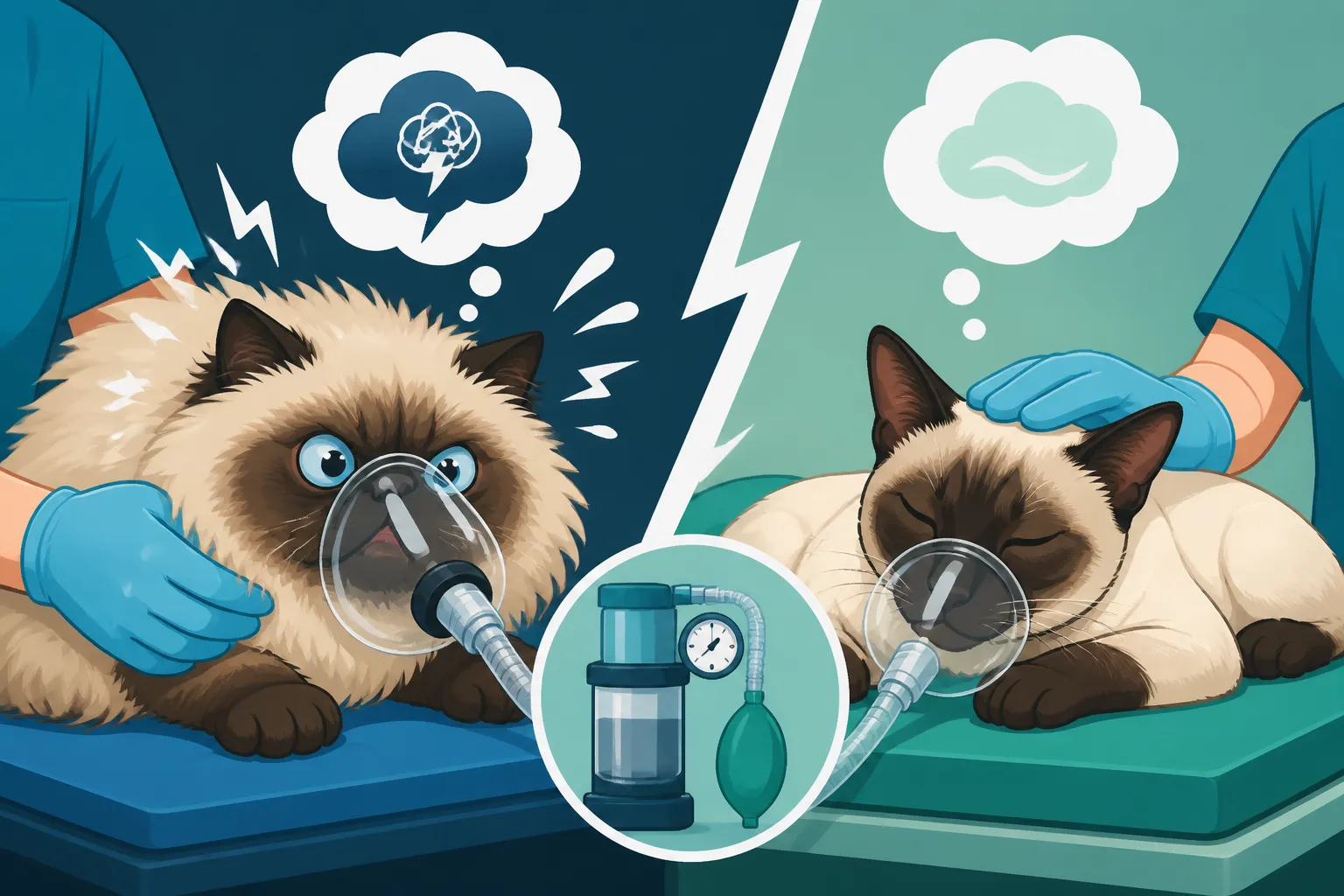
To truly grasp why a Himalayan presents a "harder" anesthetic case, it's helpful to consider the stark differences in their physiology and temperament when compared to their Siamese ancestors. While both breeds are beloved, their physical attributes dictate vastly different approaches to veterinary care, especially when it comes to sedation.
Key Differences in Anatomical Structure
The most striking contrast between the Himalayan and the Siamese, and the root of their differing anesthetic risks, lies in their anatomical structure, particularly their heads. The Siamese is a prime example of a dolichocephalic (long-headed) breed, characterized by a long, wedge-shaped head, prominent muzzle, and open nostrils. This natural structure allows for unobstructed airflow, making routine breathing effortless and greatly reducing the risk of airway complications under anesthesia.
The Himalayan, however, with its brachycephalic features, represents the opposite end of the spectrum. Their shortened muzzle means constricted nostrils, a crowded pharynx, and often an elongated soft palate that can easily obstruct the trachea. While the Siamese rarely snores, Why a Himalayan Snores Louder Than Its Siamese Ancestors is a common observation for owners, precisely because of these anatomical limitations. This fundamental difference in airway design means that a vet preparing a Siamese for anesthesia can focus more on general health and less on immediate life-threatening airway issues. For a Himalayan, however, airway management is paramount from induction through recovery, requiring specialized equipment and vigilant personnel.
Behavioral Aspects Under Stress
Beyond physical anatomy, the typical behavioral responses of Himalayans and Siamese cats to stress can also subtly influence their anesthetic management. Siamese cats are famously vocal, active, and can be quite sensitive to changes in their environment. They might vocalize loudly, become agitated, or try to escape unfamiliar situations, which can lead to increased stress hormones and a higher heart rate. While not directly an anesthetic challenge, this heightened arousal might require pre-medication to calm them, allowing for a smoother, less stressful induction of anesthesia.
Himalayans, by contrast, are generally known for their placid, gentle, and somewhat stoic demeanor. They tend to be less vocal and more content to observe from a comfortable spot. While this calm nature can be advantageous in reducing pre-anesthetic anxiety, it also means they might hide signs of discomfort or illness more effectively, making it crucial for owners and vets to be extra vigilant during pre-screening. Their relaxed nature doesn't negate their physiological vulnerabilities, however; the stress of an unfamiliar environment and procedure, even if quietly expressed, can still impact their cardiovascular and respiratory systems. For any cat owner, understanding Why a Himalayan Hides Illness Behind an Expressionless Face is key to recognizing when something is truly wrong, even if they aren't outwardly complaining. These subtle behavioral differences, while not as critical as anatomical ones, still play a role in shaping a vet's approach to anesthesia.
| Anesthetic Consideration | Himalayan Cat (Brachycephalic) | Siamese Cat (Dolichocephalic) |
|---|---|---|
| Airway Anatomy | Restricted (stenotic nares, elongated soft palate, hypoplastic trachea) | Open (long muzzle, clear airways) |
| Aspiration Risk | Higher (due to airway obstruction, potential regurgitation) | Lower |
| Heat Regulation | Poor (dense coat, prone to overheating) | Good (lean body, short coat) |
| Drug Metabolism | Can be slower (due to cobby body type, potential underlying conditions) | Generally faster (lean body) |
| Pre-Anesthetic Exams | Extensive (respiratory, cardiac, kidney focus) | Standard (general health focus) |
| Recovery Period | Requires prolonged monitoring for airway and temperature | Generally smoother, shorter monitoring |
| Dental Care Needs | Often requires earlier dentals due to crowded jaws | Routine dental care |
Anesthetic Considerations for Dental Procedures
It's worth highlighting how a common procedure like a dental cleaning further underscores the anesthetic challenges for Himalayans. Dental disease is rampant in cats, and professional cleanings always require anesthesia. For Himalayans, this is compounded by their unique oral anatomy. Their shortened jaw means that their teeth are often crowded and misaligned, leading to increased plaque and tartar buildup, as well as a higher incidence of periodontal disease and tooth resorption. Consequently, Why a Himalayan Needs Dentals Earlier Than a Siamese is a recurring theme in their care.
The necessity for frequent dental procedures means these cats will undergo anesthesia more often throughout their lives. Each time, the same brachycephalic airway concerns, thermal regulation issues, and drug metabolism considerations come into play. A vet must carefully weigh the risks and benefits, ensuring that proper oral hygiene is maintained while minimizing anesthetic exposure. These ongoing needs are another reason why comprehensive veterinary care and often, the financial support of a pet insurance like Healthy Paws, are so critical for Himalayan owners.
Conclusion: Expertise and Vigilance are Key
In essence, while Himalayans are not "un-anesthetizable," they do require a significantly higher level of specialized care, expertise, and vigilance from their veterinary team compared to their Siamese relatives or many other cat breeds. Their unique brachycephalic airway, dense coat, body composition, and potential genetic predispositions create a mosaic of challenges that demand a tailored approach at every stage – from pre-anesthetic screening and drug selection to intra-operative monitoring and prolonged post-operative recovery. Knowing what to expect and what questions to ask your vet can help you feel more prepared and confident when your beautiful Himalayan needs to go under.
Disclaimer
This article is for informational purposes only and is not a substitute for professional veterinary advice. Always consult with a qualified veterinarian regarding your cat's health, diagnosis, and treatment plan.