What a Himalayan Gives Up Once Its Points Are Dark
As our beloved Himalayan companions grow older, many of us start to notice subtle shifts in their appearance and behavior. One of the most striking visual changes is the gradual deepening of their "points" – those distinct colorings on their ears, face, paws, and tail. While beautiful, this darkening isn't just a cosmetic change; it's often a tell-tale sign of deeper physical and behavioral transformations that require a thoughtful approach to their care and enrichment. This guide will walk you through what these changes signify and how you can ensure your aging Himalayan enjoys a comfortable, fulfilling life.
The Inevitable Deepening of a Himalayan's Points: A Sign of Time's Passage
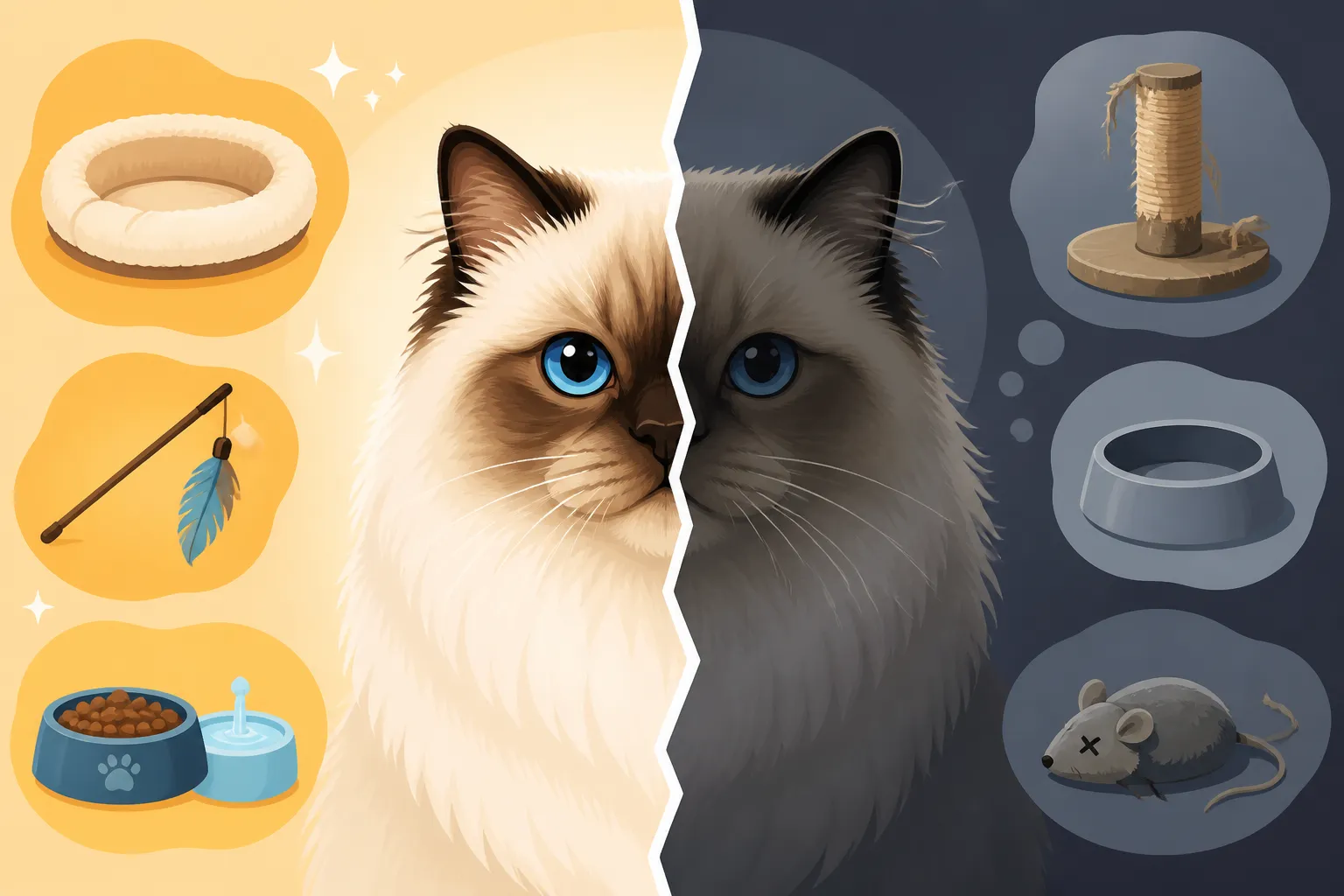
It’s one of those charming quirks of the Himalayan cat: their striking point coloration, a genetic trait shared with their Siamese ancestors, isn't fixed from birth. A Himalayan kitten starts out almost entirely white or cream, and those beautiful points slowly emerge and deepen over time. However, as they mature into senior cats, you'll notice those points becoming even richer, sometimes spreading further across their body. This isn't just arbitrary; it's a fascinating indicator of their journey through life.
The Science Behind the Deepening Points
The unique point coloration of a Himalayan is due to a temperature-sensitive enzyme. This enzyme is only active in cooler parts of the cat's body, which is why the extremities – ears, nose, paws, and tail – develop color, while the warmer core body remains pale. Think of it like a natural thermometer at work on their fur! As a Himalayan ages, several factors contribute to their points deepening. Their metabolic rate can slow down, which subtly affects overall body temperature regulation, leading to a slightly cooler average body temperature. This, combined with prolonged exposure to environmental temperatures over many years, means the enzyme has had more sustained opportunities to produce pigment. It’s why an older Himalayan often appears much darker than their younger self, sometimes even making their body coat less starkly contrasted. Caring for a Himalayan Whose Points Have Gone Dark delves into this in more detail.
When you notice your cat's points getting darker, it's not necessarily a cause for alarm, but rather a gentle reminder that they are indeed aging. This physiological process is natural, much like a person developing gray hair. It’s a visible timeline etched onto their luxurious coat, indicating that they are settling into their golden years. This deepening can be quite pronounced, especially in cats that have always lived in cooler environments or who perhaps spent more time outdoors in their younger, more active years, though we know Himalayans are strictly indoor cats.
What Darker Points Signify Beyond Aesthetics
Beyond the aesthetic shift, those darkening points act as a visual cue that your Himalayan is likely experiencing other age-related changes internally. As their body ages, their fur may also become denser or even slightly coarser in texture, particularly on the points where the pigment is most concentrated. This thicker coat, combined with a potentially less efficient internal thermostat, can have implications for their comfort and health, especially regarding temperature regulation. They might find warm rooms more uncomfortable or struggle to cool down after even a short burst of activity.
The deepening of points often coincides with a general slowdown in their metabolism and activity levels. This isn't just about moving less; it can impact everything from their appetite to their joint health. A visually darker cat might also be experiencing subtle changes in joint flexibility, muscle mass, or even the efficiency of internal organs. It serves as a prompt for us, as devoted owners, to start looking beyond the surface and proactively address their evolving needs, ensuring their comfort and well-being as they gracefully transition into their senior years.
Waning Energy and the Evolving Play Style
One of the most noticeable changes in an aging Himalayan is how their energy levels shift. The playful kitten antics of pouncing on toys or darting across the room become less frequent, replaced by more sedate activities. This isn't them being lazy; it's a natural progression that comes with age, often exacerbated by the very physical characteristics that make them unique.
From Playful Kitten to Sedate Senior: A Shift in Stamina
Remember those bursts of energy your Himalayan kitten had, chasing feather wands and batting at toys with boundless enthusiasm? As they age, and their points deepen, you’ll observe a significant decrease in that high-octane play. Their stamina simply isn't what it used to be. A short five-minute play session might leave them panting and seeking a cool spot, whereas a younger cat would barely be warmed up. This is partly due to natural physiological aging – joints become stiffer, muscles lose some tone, and their cardiovascular system isn't as robust. What an old Himalayan will still get up for is often something that requires minimal exertion but maximum reward, like a slow-moving feather teaser or a treat puzzle they can solve while lying down.
This shift isn't just about physical capability; it's also about thermal regulation. That magnificent, thick Persian coat, which is part of their charm, becomes more of a liability as they age. A thicker coat, often accompanied by deepening points, acts as an insulating blanket, making it harder for them to dissipate heat. This means they warm up faster and stay warm longer, leading to quicker exhaustion and a general disinclination for vigorous activity. You might find them spending more time on cool tile floors or near air conditioning vents, seeking relief.
Heat Sensitivity: The Hidden Cost of a Darker, Denser Coat
The Himalayan cat, due to its Persian lineage, already struggles with heat regulation more than many other breeds. Why a Himalayan Overheats Twice as Fast as a Siamese is something every owner should understand. As their points darken and their coat potentially densifies with age, this sensitivity only increases. Darker fur absorbs more heat, and a thicker undercoat traps it close to the body. This combination means that even moderate room temperatures can feel uncomfortably warm for a senior Himalayan, let alone during a summer heatwave. You might notice them panting more frequently after minimal exertion, seeking out cool, shaded spots, or simply becoming more irritable when they're too warm.
This isn't just about comfort; it can be a serious health concern. Overheating can lead to heatstroke, which is a veterinary emergency. It’s crucial to be vigilant about their environment, especially as they get older. Providing access to cool, ceramic tiles, shaded areas, and fresh, cool water is paramount. Some owners even use cooling mats, though it's important to find one that reaches their skin through their thick fur.
Adapting Play for the Aging Himalayan
Even with waning energy, play remains vital for mental stimulation and gentle exercise. The key is adaptation. Instead of fast-paced games, opt for slower, more deliberate interactions. Think wand toys with soft feathers that can be dragged slowly across the floor, mimicking prey without requiring your cat to jump or sprint. Laser pointers can still be engaging, but ensure there's a tangible "catch" at the end to prevent frustration. Which Wand Toys a Himalayan Can Actually Follow might offer some good ideas. Interactive puzzle toys that dispense treats can also be excellent, as they engage their mind without taxing their body. Look for feeders that don't require them to contort their face too much.
Consider shorter, more frequent play sessions rather than one long one. A few minutes of gentle play several times a day will be less strenuous than trying to get them active for an extended period. Always watch for signs of overheating or fatigue – excessive panting, lying down mid-play, or losing interest. When you see these cues, it's time to stop and let them rest. The goal is to keep them engaged and active within their comfort zone, preserving their joints and preventing unnecessary stress on their system.
Grooming Challenges: When Self-Care Becomes a Struggle
The magnificent coat of a Himalayan is one of its most defining features, but as they age, maintaining that luxurious fur can become a real challenge for them. What was once a relatively easy daily routine for them can turn into a Herculean task, often requiring more hands-on help from their human companions.
The Physical Limitations of an Aging Body
As your Himalayan enters its senior years, you'll likely notice they become less flexible. Arthritis, even in a cat that has historically been quite sedentary, is a common ailment that affects their ability to stretch and twist. How Arthritis Shows in a Himalayan That Never Jumped is often subtle but impactful. This stiffness in their joints means they can no longer comfortably reach all parts of their body to groom themselves effectively. The areas most commonly neglected are the hindquarters, the lower back, and those tricky armpits. These are precisely the spots where mats are most likely to form, especially with their long, dense coat.
Beyond joint pain, reduced muscle mass can also make certain grooming positions uncomfortable or even impossible. Imagine trying to lick your back if your spine is stiff and your muscles ache – that’s often what an older Himalayan faces every day. This decline in self-grooming ability, coupled with the natural shedding cycle, creates a perfect storm for developing painful mats and tangles if we don't step in to help. Their beautiful, darkening points, particularly on the legs and tail, can also accumulate more oils and debris if not regularly cleaned.
Increased Matting Risks with a Denser Coat
As Himalayans age, not only do their points deepen, but their coats can also become thicker and denser, often with a more substantial undercoat. This increased density, combined with their reduced ability to self-groom, dramatically heightens the risk of matting. Mats aren't just unsightly; they pull on the skin, causing discomfort and pain, and can even hide skin infections. A small mat left unattended can quickly grow into a large, painful pelt that covers large areas of their body. Why a Matted Himalayan Becomes a Medical Case is something every owner should avoid at all costs.
The areas most prone to matting are those where friction occurs or where the cat cannot reach easily: behind the ears, under the chin, in the armpits, on the belly, and around the "britches" – the long fur on their hind legs. If these areas are not brushed regularly, the hair intertwines tightly, forming knots that can only be removed by shaving. This is why daily combing, even for just a few minutes, becomes absolutely non-negotiable for an aging Himalayan. It’s an act of love and prevention that saves them from significant discomfort.
The Importance of Owner Intervention in Grooming
Given their physical limitations and increased matting risk, active owner intervention in grooming is essential for a senior Himalayan's well-being. This isn't just about vanity; it's about comfort, hygiene, and preventing painful health issues. A daily grooming routine should include a thorough comb-through with a good quality steel comb. Start by gently working through easy-to-reach areas and gradually tackle more sensitive spots. Which Grooming Tools a Himalayan Owner Cannot Skip is a great resource for finding the right equipment. Using a detangling spray designed for cats can help make the process smoother and more comfortable, especially for tangles that are just starting to form. Many good options are available on Amazon.
Beyond brushing, you might need to assist with other aspects of their hygiene. Their faces, especially around the eyes and nose fold, may need daily wiping to prevent tear stains and skin irritation, particularly if their face has flattened more over time. Why an Old Himalayan Stops Washing Its Own Face is a common scenario. Their britches may need occasional trimming to prevent litter or fecal matter from clinging to the fur. Regular nail trims are also important, as an older cat may not use scratching posts as much, leading to overgrown claws that can get caught or grow into their paw pads. Making grooming a positive, gentle experience from a young age is crucial, so they associate it with comfort and affection rather than stress.
Sensory Shifts and Environmental Awareness
As with humans, an aging Himalayan will likely experience a gradual decline in their sensory capabilities. Their keen sight and hearing, which once helped them track dust motes and locate a crinkly toy, may become less sharp. These shifts can significantly impact their daily life, but with understanding and adaptation, we can help them navigate their world safely and confidently.
Subtle Declines in Vision and Hearing
One of the less obvious but impactful changes in an aging Himalayan is the decline in their senses, particularly vision and hearing. Their beautiful blue eyes, a hallmark of the breed, can become less sharp. While complete blindness is less common than gradual deterioration, older cats may develop cataracts, glaucoma, or simply have less acute night vision. What Retinal Atrophy Does Behind a Himalayan's Blue Eyes is a serious condition, but even without it, their world can become a little blurrier. You might notice them bumping into furniture, hesitating before jumping, or becoming startled more easily if you approach them from their blind side.
Similarly, their hearing can diminish. They might not respond as quickly to their name, or they might seem less aware of sounds they once reacted to, like the crinkle of a treat bag or the opening of a can. This isn't defiance; it's simply that they may not be hearing you clearly. While these changes are a natural part of aging, they do require us to adjust our interactions and create an environment that supports their evolving needs.
The Impact of Reduced Senses on Daily Navigation
A decline in vision and hearing can make daily navigation surprisingly challenging for a cat that relies heavily on these senses for exploration, safety, and comfort. A Himalayan with diminished sight might struggle to find its food bowl or litter box if they are moved, or might hesitate to walk into dimly lit rooms. Their confidence in moving around the house, especially at night, can decrease, leading to increased caution or even anxiety. What to leave where for a Himalayan losing its sight means keeping their environment consistent.
Reduced hearing can make them more vulnerable to being startled, as they might not hear footsteps approaching until you are very close. This can lead to increased stress or a tendency to hide more. They might also miss subtle auditory cues from other pets or family members, potentially affecting their social interactions. It's easy for us to forget how much our cats rely on their senses, and these subtle declines can make their world a much more confusing and less predictable place without our thoughtful intervention.
Creating a Safe and Predictable Home Environment
To help your senior Himalayan cope with declining senses, a predictable and safe environment is key. Avoid rearranging furniture, especially their core resources like food, water, and litter boxes. Keep pathways clear of clutter to prevent trips and falls. If their vision is poor, consider adding nightlights in areas they frequent to aid navigation. For cats with significant vision loss, audible cues can be helpful – perhaps a bell on your own shoe, or talking to them as you approach.
For those with hearing loss, touch becomes even more important. A gentle tap on the floor or a light touch on their back before picking them up can prevent startling them. Consistency in routine is also paramount; they thrive on knowing when to expect meals, playtime, and quiet time. This predictability helps them feel secure even as their internal experience of the world shifts. Small steps or ramps can help them access their favorite high spots safely without straining their joints or relying solely on their impaired vision to judge distance.
Appetite, Weight, and Dietary Considerations
As Himalayans age, changes in their metabolism, activity levels, and even dental health can significantly impact their appetite and weight. It's not uncommon to see a once-robust cat become thinner or, conversely, gain weight due to decreased activity. Understanding these shifts is crucial for maintaining their health and ensuring they continue to enjoy their meals.
Changes in Metabolism and Weight Management
One of the most common issues for aging Himalayans, especially those with their typically sedentary lifestyle, is managing their weight. As they become less active and their metabolism slows down, they require fewer calories to maintain their body weight. If their food portions aren't adjusted accordingly, they can easily become overweight. What a Himalayan's Cobby Frame Should Weigh is important to remember. An overweight senior cat faces a higher risk of conditions like diabetes, joint problems, and heart disease, all of which compromise their quality of life. Conversely, some older cats may experience unintentional weight loss due to underlying health issues, decreased appetite, or difficulty eating.
Regularly monitoring your Himalayan's weight is vital. Feel for their ribs; you should be able to feel them easily without them protruding. If their waistline disappears or becomes less defined, it's time to talk to your vet about dietary adjustments. Equally, if you notice unexplained weight loss, it warrants immediate veterinary attention, as it could signal a more serious health problem that needs addressing.
Dental Health and Eating Comfort
Dental health often becomes a major concern for aging Himalayans. Their unique facial structure, particularly the shortened jaw characteristic of the Persian side, often leads to crowded teeth. This crowding can trap food particles, increase plaque buildup, and make them more prone to gum disease and tooth resorption. How Crowded a Himalayan's Lower Jaw Gets often leads to these issues. Untreated dental problems can cause significant pain, making eating uncomfortable or even excruciating. A cat with a sore mouth might refuse food, drop kibble from their mouth, or only eat wet food.
Regular dental check-ups and professional cleanings, sometimes under anesthesia, become increasingly important as they age. Your vet can assess their dental health and recommend a cleaning schedule or suggest extractions if necessary. At home, you can try to brush their teeth with a cat-specific toothbrush and toothpaste, or offer dental treats, though these are often insufficient for severe crowding. Ensuring their mouth is pain-free is fundamental to maintaining a healthy appetite and preventing further health complications.
Tailoring Nutrition for the Older Himalayan
Given the metabolic and dental changes, tailoring your aging Himalayan's diet is paramount. Many senior cat foods are formulated with lower calorie counts to help prevent weight gain, while still providing adequate protein to maintain muscle mass. They may also include supplements for joint health, such as glucosamine and chondroitin. Wet food can be particularly beneficial for older cats, especially those with dental issues or reduced thirst, as it provides hydration and is easier to chew. Why Wet Food Is Easier for a Himalayan to Take for their flat faces as well.
Consider the shape and depth of their food bowl. A flat-faced Himalayan might struggle with deep or narrow bowls, pushing food out with their flattened muzzle. Wide, shallow dishes or elevated bowls can make eating more comfortable and reduce strain on their neck. Many pet stores and Amazon offer specialized bowls for brachycephalic (flat-faced) breeds. If your cat is experiencing weight loss, your vet might recommend a higher calorie, easily digestible diet. Always discuss any significant dietary changes with your veterinarian to ensure they meet your cat's specific health needs.
| Dietary Consideration | Younger Himalayan (Kitten/Adult) | Older Himalayan (Senior) |
|---|---|---|
| Calorie Needs | Higher, for growth and active metabolism | Lower, due to slower metabolism and less activity |
| Protein | Moderate to high, for muscle development | High quality, to maintain muscle mass |
| Fats | Moderate, for energy and coat health | Moderate to lower, to prevent weight gain |
| Hydration | Important, often from water bowl | Crucial, often supplemented by wet food |
| Joint Support | Not typically a primary concern | Often beneficial (glucosamine, chondroitin) |
| Dental Impact | Less critical, but preventative care good | Highly critical due to crowding; wet food helps |
| Bowl Type | Can use various depths | Wide, shallow, or elevated bowls preferred |
Social Dynamics and Routine: A Preference for Peace
As a Himalayan ages and its points deepen, you might notice a shift in its social preferences and tolerance for change. While still affectionate lap cats, they often become more set in their ways and seek out greater predictability and tranquility in their environment.
Shifting Social Interactions and Comfort Zones
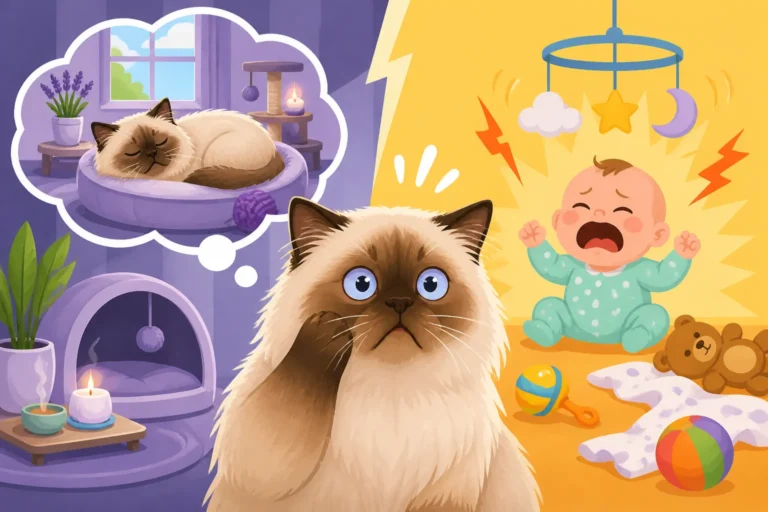
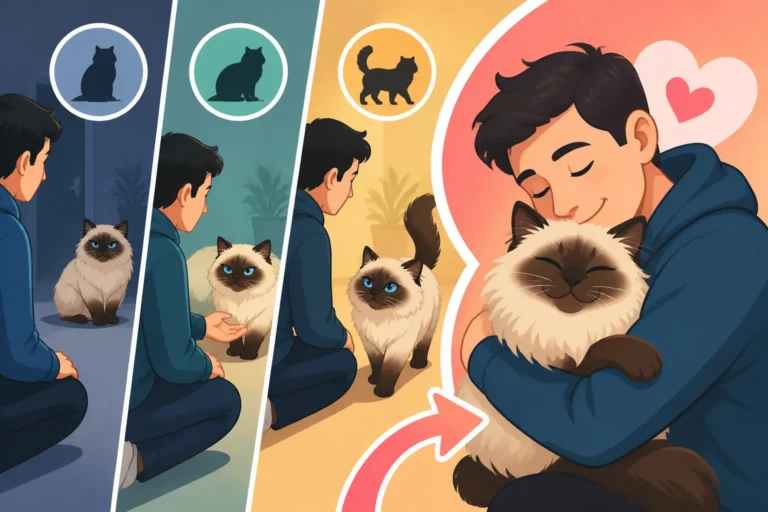
An aging Himalayan, much like an older person, often appreciates a more predictable and calmer social environment. While they remain deeply attached to their chosen humans, their enthusiasm for boisterous play with other pets or young children may wane. They might become less tolerant of sudden movements, loud noises, or being disturbed during their many naps. How Many Visits Before a Himalayan Accepts Someone might increase too. You might find them retreating to quiet, undisturbed spots more often, preferring observation from a distance rather than active participation in household hubbub.
This isn't a sign of disinterest or aloofness, but rather an evolving need for comfort and security. Their declining senses might make them more easily startled, leading them to prefer a more stable social scene. They may still seek out your lap or a quiet cuddle session, but on their own terms and with a greater need for gentle interaction. Understanding and respecting these shifting social boundaries is key to maintaining their emotional well-being and ensuring they feel safe and loved in their golden years.
The Deepening Importance of a Stable Routine
Himalayans thrive on routine throughout their lives, but for an aging cat, a stable routine becomes even more critical. Predictability provides a sense of security and reduces stress, especially when their sensory input might be less reliable. Knowing when meals, gentle play sessions, and grooming times will occur helps them feel in control of their world. Why a Himalayan Minds Its Routine More Than Its Address is a perfect example of their preference for consistency.
Any disruption to their established schedule can cause anxiety or confusion. Moving their litter box, changing feeding times, or introducing new pets or people without careful preparation can be unsettling. Strive for consistency in their daily schedule, even on weekends. If changes are unavoidable, introduce them gradually and with plenty of reassurance. For example, if you need to move a furniture piece they frequent, do it slowly over a few days, allowing them to adjust.
How an Aging Himalayan Communicates Needs
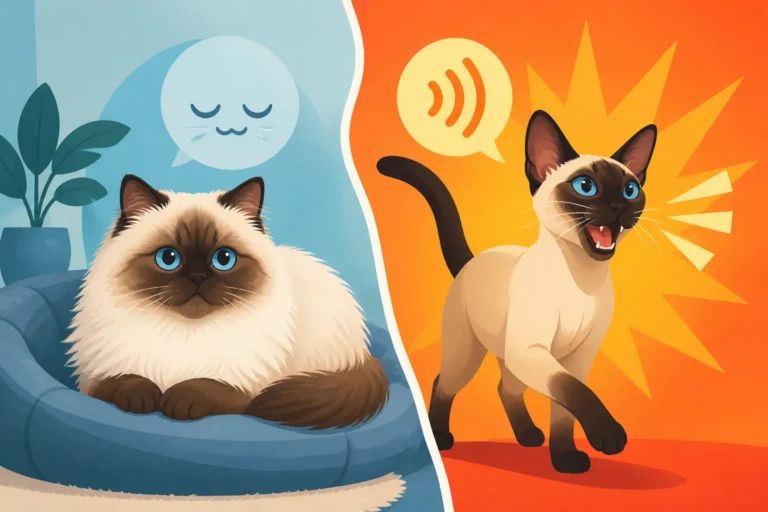
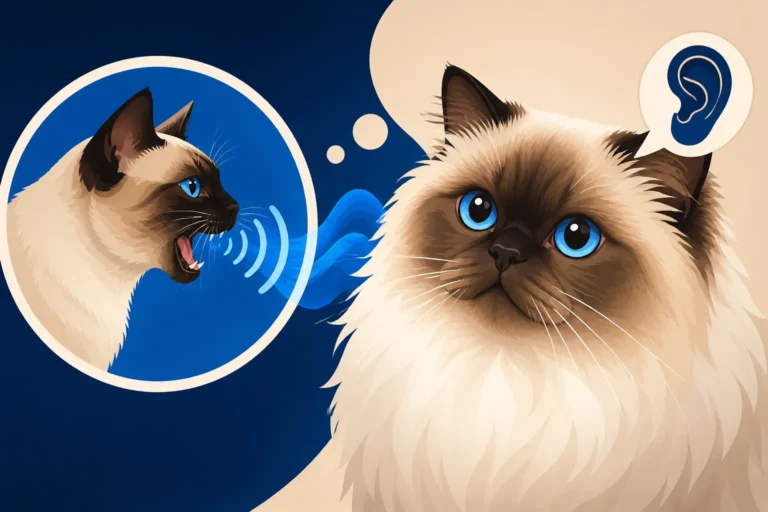
As their communication might become more subtle, it's vital for owners to be attuned to how an aging Himalayan expresses their needs and discomfort. Their voice, inherited from their Siamese ancestors but usually quieter, might be used less, or sound different. What is Left of the Siamese Voice in a Himalayan might be a softer chirp or a less frequent meow. They might rely more on body language: a slow blink for contentment, a stiff tail for discomfort, or a subtle shift in their resting place to indicate they're too warm or cold.
Changes in behavior can also be tell-tale signs. A cat that suddenly starts sleeping in a new, unusual spot, or stops using its favorite perch, could be indicating pain or discomfort. Increased hiding, changes in litter box habits, or a sudden reluctance to be petted in certain areas all warrant investigation, often by a veterinarian. A senior Himalayan might hide illness behind an expressionless face, so careful observation of subtle shifts in their daily habits is crucial for early detection of any health concerns.
Supporting Your Senior Himalayan: Proactive Care for Comfort
As your Himalayan matures and its points deepen, shifting from a lively adult to a serene senior, your role as their caregiver evolves too. Proactive care becomes less about boundless play and more about creating an environment of comfort, predictability, and tailored health support. This approach ensures their golden years are as happy and healthy as possible.
Regular Vet Checks: Beyond the Surface Changes
While observing your Himalayan's darkening points and subtle behavioral shifts is important, regular veterinary check-ups become paramount as they age. Many age-related conditions, like kidney disease or hyperthyroidism, can develop insidiously and are best managed when caught early. How Often a Tested Himalayan Still Needs Checking should be at least annually, and for older cats, sometimes twice a year. Your vet can perform comprehensive exams, including blood work and urine tests, to monitor organ function, assess for arthritis, and check their dental health.
These visits aren't just about treating problems; they're about preventative care and discussing age-appropriate adjustments to their diet, environment, and routine. Your vet can help you understand what's normal for a senior Himalayan and what might be a red flag. They can also offer advice on pain management for arthritis or other chronic conditions, ensuring your cat remains as comfortable as possible. Early intervention often leads to a better quality of life and can sometimes even extend their lifespan.
Environmental Modifications for Easier Living
To truly support your aging Himalayan, you might need to make a few thoughtful adjustments to their living space. Remember, their world is changing, and we need to help them navigate it with ease. Consider their access to favorite spots: if they loved jumping onto the sofa or bed but now struggle, providing a pet ramp or a set of low steps can make these areas accessible again without strain. This preserves their independence and comfort. Why a Himalayan Uses Steps Rather Than Jump often when they're older.
Ensure their litter boxes are easily accessible – choose low-sided boxes so they don't have to step over high edges, which can be painful for stiff joints. If your home has multiple levels, consider placing extra litter boxes on each floor to minimize their travel distance. For their feeding station, elevated bowls can reduce neck strain, and wide, shallow dishes are easier for their flat faces to eat from. Remember their increased heat sensitivity; ensure they have access to cool, shaded spots and consider a cooling mat, especially during warmer months.
Emotional Support and Continuing Connection
Above all, your senior Himalayan needs your continued emotional support and connection. While their play may diminish, their need for affection and interaction does not. Spend quality time with them, even if it's just quiet cuddles on the sofa. Gentle grooming sessions can double as bonding time, reinforcing your presence and care. Talk to them softly, even if their hearing isn't what it used to be – the vibration of your voice can still be comforting.
Maintain a consistent routine for feeding and interaction to provide a sense of security. Be patient with their slower movements and increased need for rest. Reassure them with gentle touches and a calm demeanor, especially if they become easily startled. The darkening of their points is a beautiful testament to the years you've shared. By being attentive, adaptable, and showering them with love, you can ensure your treasured Himalayan enjoys a dignified, comfortable, and cherished retirement.
Disclaimer
This article is for general informational purposes only and does not constitute professional advice. Laws, prices and regulations vary by location and change over time. Consult a qualified professional for guidance on your specific situation.