Why a Himalayan Stops Grooming When It Is Unhappy
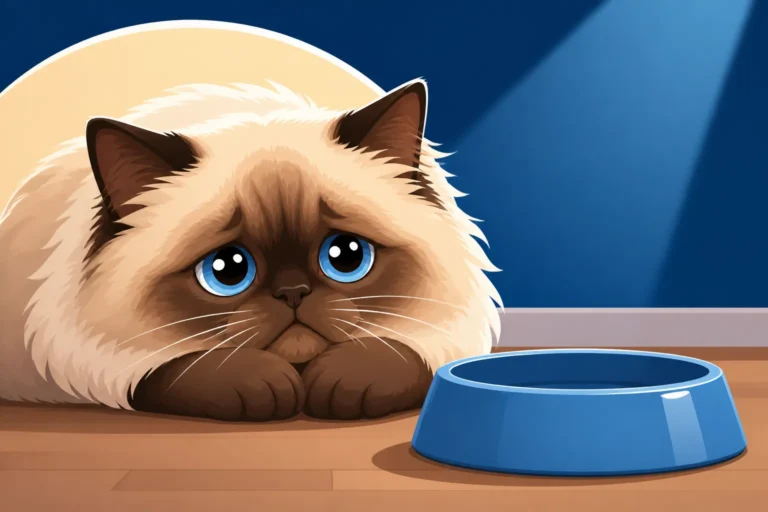
It's truly heartbreaking to see your fluffy Himalayan, usually so meticulously groomed, suddenly looking disheveled, perhaps with mats forming or tear stains going unwiped. When a Himalayan stops grooming, it's almost always a clear signal that something isn't right in their world, a silent plea for help. This guide is here to help you decipher those subtle cues, understand the root causes of their unhappiness, and bring back not just their pristine appearance, but also their inner sparkle and contentment.
The Deep Significance of Grooming for a Himalayan
For many cats, grooming is just part of their daily routine – a way to keep clean and maintain their coat. But for a Himalayan, with their magnificent, long, dense Persian-inherited coat and their somewhat flattened facial structure, grooming takes on a whole new level of importance. It's not just about aesthetics; it's deeply tied to their physical comfort, hygiene, and even their emotional well-being.
Why Grooming is More Than Skin Deep for Himalayans
Think about the sheer volume of fur a Himalayan carries. Their double coat, with its soft undercoat and longer guard hairs, is a work of art, but it's also a magnet for mats, tangles, and debris. Regular self-grooming helps distribute natural oils, remove loose hair, and prevent painful knots that can pull at their skin. When a Himalayan stops this vital process, those gorgeous locks quickly become a matted mess, leading to discomfort, skin irritation, and even infections hidden beneath the dense fur. Why a Matted Himalayan Becomes a Medical Case is a crucial read for understanding the severe implications.
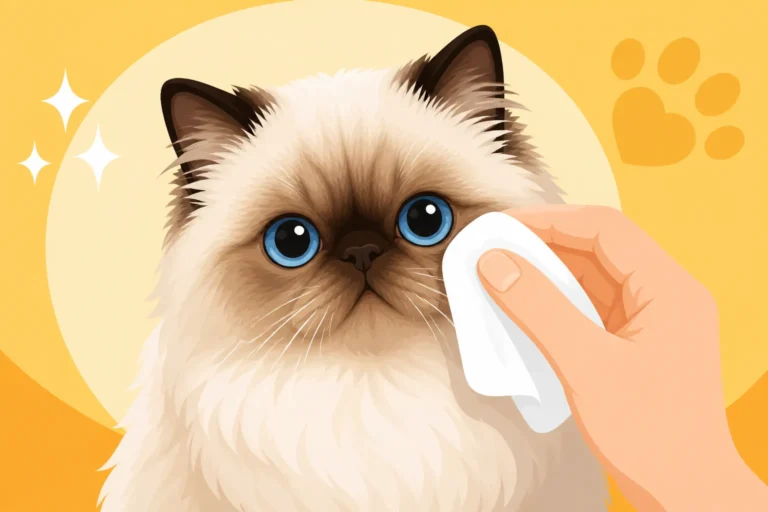
Beyond the coat, their distinctive face requires special attention. Those beautiful, large blue eyes and flattened noses mean that tear stains are a common occurrence. A happy, healthy Himalayan will usually try to keep their face clean, wiping away the wetness and reducing the reddish-brown staining that can build up. When they neglect this, it's often a sign they're feeling too unwell or too stressed to bother with the discomfort of damp fur around their eyes and nose. It’s not merely cosmetic; prolonged dampness can lead to skin irritation and infections in those delicate facial folds.
The Behavioral Link Between Grooming and Well-being
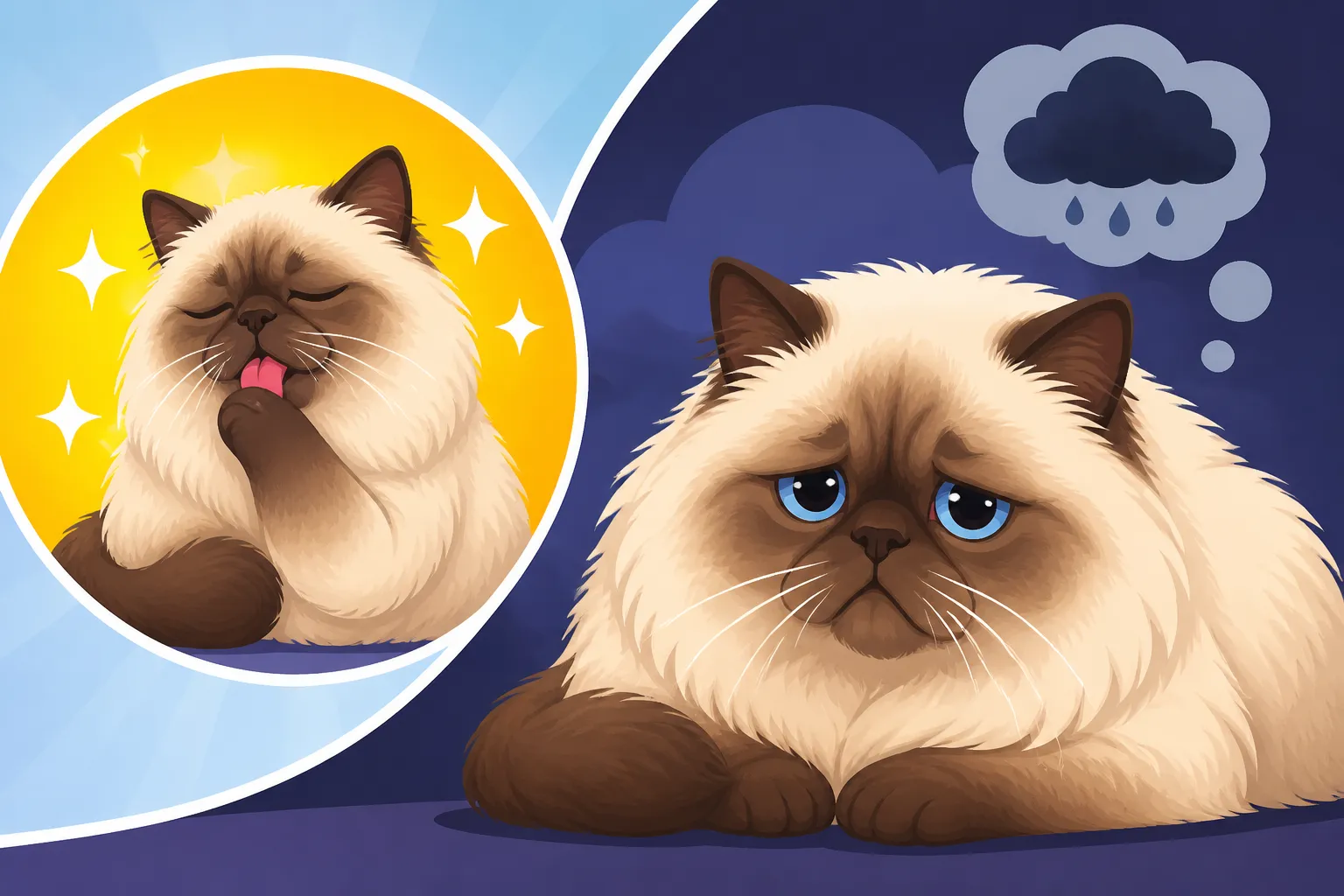
Cats are creatures of habit, and their grooming routine is a deeply ingrained behavior. A well-adjusted Himalayan typically spends a good portion of their waking hours meticulously tending to their coat. It's a calming, self-soothing activity for them. Imagine how much effort it takes to keep such a magnificent coat pristine! When this routine suddenly changes, it's rarely out of laziness. It's a distress signal.
A sudden decrease in grooming, or even an increase in obsessive grooming in certain spots, can indicate underlying issues. It can mean physical pain makes reaching certain areas difficult, or that they feel too insecure or unwell to maintain their regular habits. Sometimes, it’s a symptom of anxiety or depression, as their focus shifts away from self-care when they're grappling with emotional distress. Their world, which thrives on routine and predictability, might have been shaken up in a way we humans don't always immediately perceive.
Unpacking the Signs: How Unhappiness Manifests in Grooming Habits
Recognizing that your Himalayan is unhappy through changes in their grooming routine requires a keen eye and an understanding of their normal behaviors. They are, after all, masters of subtle communication.
Visible Indicators of Neglected Grooming
The most obvious sign is the state of their coat. Are you starting to see small tangles appear, especially in sensitive areas like behind their ears, under their "armpits," or on their britches? These areas are usually the first to mat when regular combing (both by you and by them) ceases. A normally pristine ruff might look greasy or clumpy. Their beautiful points, particularly the tail and hind legs, may start to look dull and unkempt.
Beyond tangles, look for actual mats. These are tight knots of fur that pull at the skin and can be quite painful. They don't just happen overnight; they form when neglected grooming allows loose undercoat to become inextricably woven together. You might even notice debris, like litter or food particles, clinging to their coat, especially around their hindquarters or chest, which a diligent groomer would never tolerate. Trimming a Himalayan's britches is essential for preventing issues here.
Their face will also tell a story. Increased tear staining, often turning a reddish-brown color due to porphyrin in their tears, is a huge red flag. The fur around their eyes might be constantly damp, leading to a sour smell or even visible skin irritation in the folds around their nose. They might not be wiping their nose after eating or drinking, leaving little bits of food residue in their fur.
Subtle Behavioral Cues Accompanying Poor Grooming
It's not just the coat; their overall demeanor often shifts. An unhappy Himalayan might become more withdrawn, spending more time in their favorite quiet spot and interacting less with family members. What a Himalayan Does When It Is Unsettled often includes hiding or reduced activity. They might be less playful, turning down toys they usually adore, or simply not engaging in their usual morning greetings.
You might notice changes in their eating habits, too. Perhaps they're eating less, or even more, as some cats react to stress by overeating. Their litter box habits could change—more accidents outside the box, or a change in frequency or consistency of elimination. They might seem generally lethargic or restless, unable to settle comfortably.
A key thing to watch for is a reluctance to be handled or groomed by you. While some Himalayans can be particular, a cat that suddenly resists their usual gentle combing session could be indicating pain or discomfort, or simply that they're too overwhelmed to cope with the interaction.
Here's a quick comparison of common grooming behaviors:
| Behavior Aspect | Happy/Content Himalayan | Unhappy/Distressed Himalayan |
|---|---|---|
| Coat Appearance | Smooth, lustrous, few tangles, well-maintained ruff. | Dull, greasy, matted patches (especially armpits/britches). |
| Face Care | Clean eyes, minimal tear staining, dry nose folds. | Heavy tear stains, damp fur around eyes/nose, possible odor. |
| Grooming Frequency | Regular, consistent self-grooming throughout the day. | Reduced frequency, less thorough, or obsessive licking in one spot. |
| Interaction w/ Grooming | Tolerates daily combing, may even enjoy it. | Resists combing, hisses, swatting, hides when brush appears. |
| Overall Demeanor | Engaged, playful, social, good appetite, uses litterbox reliably. | Withdrawn, lethargic, reduced appetite, changes in litterbox habits, irritable. |
Beyond the Surface: Root Causes of a Himalayan's Grooming Strike
When your Himalayan stops grooming, it's a symptom, not the problem itself. Digging into the underlying causes requires careful observation and, often, a visit to the vet. These causes typically fall into a few main categories: physical discomfort, environmental stress, or emotional distress.
Physical Health Issues and Pain
This is arguably the most critical area to investigate. A cat in pain or feeling unwell will often neglect grooming. Think about it: if every movement hurts, or they feel nauseous, the last thing they'll want to do is bend and twist to groom their long coat.
- Dental Disease: A common culprit! Himalayans, with their shortened muzzles, are prone to How Crowded a Himalayan's Lower Jaw Gets. Painful teeth or gums can make eating difficult and definitely put a damper on self-grooming. Imagine trying to lick yourself clean with a searing toothache!
- Arthritis or Joint Pain: Older Himalayans, even those who never jumped much, can develop arthritis. Reaching their lower back, hind legs, or tail becomes a painful ordeal. If they can't comfortably bend or stretch, grooming suffers.
- Internal Illnesses: Kidney disease, diabetes, or even simple infections can make a cat feel generally unwell, leading to lethargy and a lack of interest in grooming. What a Himalayan's Yearly Bloods Should Cover After Eight is important as they age.
- Skin Issues: Flea infestations, allergies, or fungal infections (like ringworm) can cause discomfort, itching, and pain, sometimes leading to over-grooming in specific spots, but more often general neglect as they feel too miserable.
- Obesity: A chunky Himalayan might physically struggle to reach all parts of their body, especially their back and hindquarters. Why an Overweight Himalayan Cannot Reach Its Britches explains how weight makes self-grooming nearly impossible, leading to matting.
Any chronic condition that saps their energy or causes discomfort will manifest in their grooming. Always rule out a medical cause first with your veterinarian.
Environmental Stressors and Changes
Himalayans thrive on routine and stability. They are not typically a cat that embraces radical change with enthusiasm. Any shift in their environment, no matter how small it seems to us, can be incredibly stressful for them, leading to anxiety that impacts their grooming.
- New Pets or People: Bringing a new cat, dog, or even a baby into the home can shatter a Himalayan's sense of security. Their territory feels invaded, their routine disrupted, and their status questioned. This stress can manifest as reduced grooming. Bringing a Second Cat Home to a Himalayan suggests carefully managed introductions.
- Moving House: A new home, new smells, new sounds – it's a huge upheaval. Even if it's a bigger, better house for you, for them, it's a loss of familiarity. They might hide, refuse to eat, and, yes, neglect their grooming.
- Changes in Household Routine: A new work schedule, children starting school, or even furniture being rearranged can be unsettling. Himalayans often have specific times they expect attention, meals, or quiet naps. Disrupting these can cause anxiety.
- Loud Noises or Construction: Persistent loud noises, whether from outside or inside the home, can make a Himalayan feel constantly on edge. They prefer a calm, quiet environment.
- Changes in Litter or Food: Even seemingly minor changes can be stressful. Cats are particular about their litter (texture, scent, cleanliness) and their food.
These stressors chip away at their sense of safety and well-being, diverting their energy from self-maintenance to coping with anxiety.
Emotional Distress or Boredom
Sometimes, there's no obvious physical ailment or external stressor. The issue might be purely emotional. Himalayans, despite their calm demeanor, can experience emotional distress.
- Loneliness or Lack of Attention: While independent, Himalayans still crave interaction and affection from their chosen people. If you've been particularly busy, or if their primary caregiver is away, they can feel neglected and lonely. A cat that usually sleeps on your chest might feel the absence deeply.
- Boredom: Despite their reputation as "couch potatoes," Himalayans still need mental and physical stimulation. A lack of engaging toys, play sessions, or interaction can lead to boredom, which can spiral into listlessness and reduced self-care. They might not be as active as a Siamese, but they still need to play. How Much More Play a Himalayan Wants Than a Persian is a good guideline.
- Depression: Yes, cats can get depressed. This might be triggered by the loss of a companion (human or animal), a chronic illness, or prolonged stress. Signs include lethargy, loss of appetite, withdrawal, and, naturally, a decline in grooming.
Identifying these more subtle emotional causes often requires a deeper understanding of your cat's personality and recent history.
Bringing Back the Shine: Practical Steps to Support Your Unhappy Himalayan
Once you've identified that your Himalayan is unhappy and potentially pinpointed the cause, it's time to take action. This often involves a multi-pronged approach combining veterinary care, environmental adjustments, and emotional support.
Prioritize Veterinary Assessment
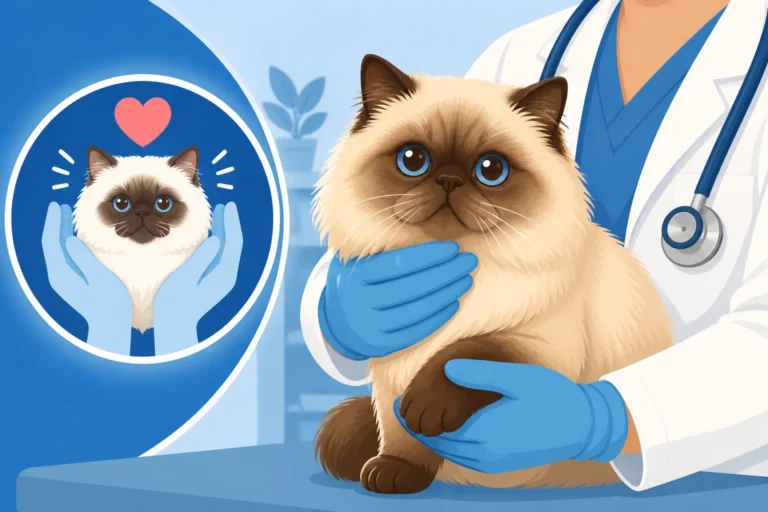
Your very first step should always be a visit to your veterinarian. Explain all the changes you've observed, not just the grooming issues. Your vet will conduct a thorough physical examination, checking for signs of pain, dental issues, skin problems, or any other underlying medical conditions. They might recommend blood tests, urinalysis, or even X-rays to get a full picture of your cat's health. Why a Himalayan's Kidneys Are Checked Before Sedation is a good example of thorough pre-screening for health concerns.
If a physical cause is found, adhering strictly to the vet's treatment plan is paramount. This could involve medication for pain or infection, a dental cleaning, or dietary changes. Once the underlying health issue is addressed, you'll often see their grooming habits return to normal as they start to feel better.
Re-establish a Sense of Security and Routine
If environmental stressors are the culprit, your focus should be on creating a calm, predictable, and secure environment.
- Maintain Routine: Cats thrive on predictability. Try to feed them at the same times each day, have consistent playtimes, and keep their litter box clean. A regular schedule provides a sense of control and reduces anxiety.
- Provide Safe Spaces: Ensure your Himalayan has a quiet, elevated spot where they can retreat and feel safe, away from household commotion or other pets. This could be a cat tree (though remember, Himalayans aren't keen on extreme heights, so a waist-high one is perfect), a cat cave, or even a box.
- Minimize Stressors: If possible, identify and reduce specific stressors. Can you provide white noise to block out loud outdoor sounds? Can a new pet be introduced more slowly, with separate spaces initially?
- Pheromone Diffusers: Products containing feline facial pheromones can help create a more calming environment. They emit synthetic versions of the natural pheromones cats use to mark their territory as safe and secure. You can find many options on Amazon that plug into a wall socket.
Boost Mental and Physical Enrichment
An unhappy Himalayan often benefits from renewed engagement and mental stimulation.
- Interactive Play: Even if they're not as active as a Siamese, Himalayans still enjoy play. Use wand toys that allow them to "hunt" from the comfort of their favorite chair. Short, frequent play sessions can help burn off stress and build positive associations. Which Wand Toys a Himalayan Can Actually Follow can help you choose effectively.
- Puzzle Feeders: These can make mealtime more engaging, turning eating into a mental exercise. Just ensure the feeder is flat-faced friendly, as many are not suitable for their unique muzzle shape.
- Quality Time: Spend dedicated, quiet time with your Himalayan. Gentle petting, soft talking, and simply being present can reinforce their bond with you and make them feel loved and secure. Why a Himalayan Sleeps on Your Chest is a sign of deep trust.
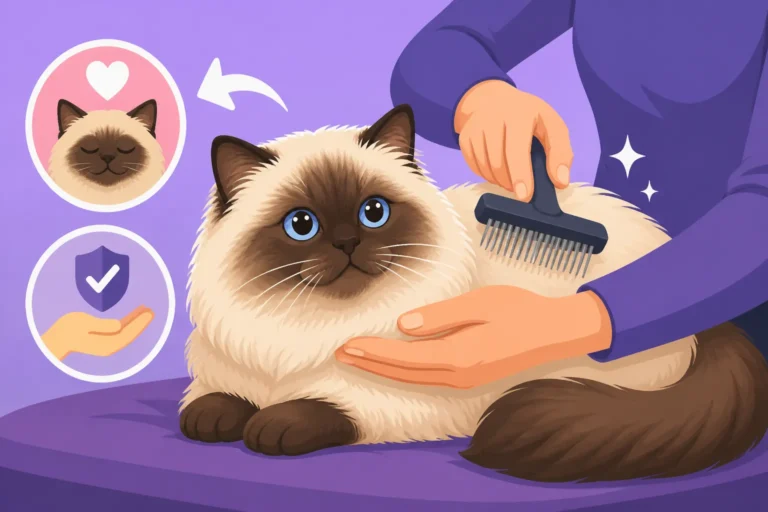
- Grooming Support: While you're working on the underlying issues, you'll need to step up your personal grooming routine. Your Himalayan might not be able to do it themselves, so you become their primary groomer. This means daily gentle combing to prevent mats and regular face wipes to keep tear stains at bay. You can find excellent steel combs and cat-safe face wipes on Amazon. The Daily Comb a Himalayan Cannot Skip is not just a suggestion; it's a necessity. This can also be a bonding experience, done gently and with positive reinforcement.
Address Emotional Needs
If loneliness or depression is suspected, direct emotional support is vital.
- Consistent Affection: Ensure they receive plenty of consistent, gentle affection on their terms. Don't force interaction, but make yourself available for snuggles, lap time, and petting.
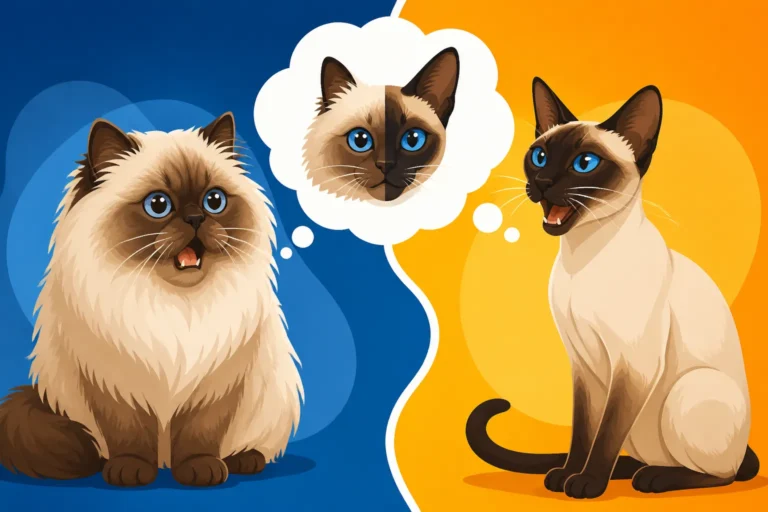
- Evaluate Companion Needs: If they are an only cat and seem lonely, consider if another slow-moving, calm companion might be suitable, after careful introduction. Which Cats Move Slowly Enough for a Himalayan offers good guidance.
- Consult a Feline Behaviorist: For persistent or severe emotional distress, a certified feline behaviorist can provide tailored strategies and help identify triggers you might have missed.
Remember, patience is key. It takes time for a Himalayan to recover from unhappiness, whether it's physical or emotional. By being attentive, proactive, and showering them with love and care, you can help your beautiful cat return to their happy, meticulously groomed self.
Disclaimer
This article is for general informational purposes only and does not constitute professional advice. Laws, prices and regulations vary by location and change over time. Consult a qualified professional for guidance on your specific situation.