The Daily Comb a Himalayan Cannot Skip
Oh, the majestic Himalayan coat! It's one of the first things that draws us to these gorgeous creatures, isn't it? That luxurious, flowing fur, those stunning points, the incredible ruff – it's truly a sight to behold. But if you're a Himalayan owner, you know that this beauty comes with a non-negotiable daily commitment: the comb. Neglect it for even a day or two, and you're not just looking at a few tangles; you're facing painful mats that can quickly turn into a serious health issue for your beloved companion. This comprehensive guide is here to walk you through the absolute essentials of daily combing, helping you keep your Himalayan comfortable, healthy, and looking their absolute best, without the stress and struggle.
The Unyielding Reality: Why Daily Combing is Non-Negotiable for Himalayans
Let's face it, when you bring a Himalayan into your home, you're not just getting a cat; you're adopting a cloud of beautiful, dense fur. And that fur, as magnificent as it is, is a full-time job. It’s not a "when I have time" kind of chore; it's a daily ritual that impacts their comfort, their health, and even their temperament. Many new owners, and even some experienced ones, underestimate just how quickly a Himalayan's coat can go from glorious to gruesome. We've all been there, thinking "just one day won't hurt," only to find ourselves battling a stubborn mat that feels like it appeared out of thin air.
Understanding the Himalayan Coat: A Double-Edged Sword
The Himalayan's coat is a marvel of nature, but it's also a genetic inheritance that demands constant attention. It's a double coat, meaning it has a long, flowing outer layer (the guard hairs) and a thick, woolly undercoat. This undercoat is incredibly dense, designed to keep them warm, but it's also the primary culprit behind matting. The guard hairs are fine and silky, but they easily catch and intertwine with the softer, denser undercoat.
Imagine trying to comb out a tangled skein of wool that's been mixed with fine silk threads. That's essentially what you're dealing with. The sheer volume and fine texture of the undercoat mean that loose hairs don't simply fall out; they get trapped within the surrounding fur, immediately beginning to felt together. Unlike some other long-haired breeds, a Himalayan's coat seems to actively seek out opportunities to mat, whether it's from rubbing against furniture, playing, or even just sleeping. This unique combination, a direct legacy from their Persian lineage, is why How Much Undercoat a Himalayan Carries Under Its Points is such a crucial piece of knowledge for any owner.
The Silent Threat of Matting: More Than Just an Aesthetic Issue
When those loose hairs get trapped and start to felt, they form knots, and those knots rapidly compact into solid mats. These aren't just minor cosmetic flaws; they are painful, skin-pulling masses that can cause severe discomfort for your cat. Mats act like tiny straitjackets, pulling at the skin with every movement. Imagine having your hair constantly tugged by something stuck fast to your scalp – that's what a mat feels like for a Himalayan.
Beyond the immediate pain, mats create a breeding ground for problems. The skin underneath a mat cannot breathe properly, leading to irritation, redness, and even skin infections. Trapped moisture, dirt, and even parasites can flourish in these hidden pockets. Mats around the hindquarters can become soiled with urine and feces, leading to severe hygiene issues and potentially serious urinary tract or skin infections. It's a truly heartbreaking situation, and sadly, Why a Matted Himalayan Becomes a Medical Case is a reality far too many owners encounter, often requiring costly and stressful vet visits for sedation and shaving. A single missed day can initiate the process, and a few missed days can solidify a mat that's nearly impossible to remove without professional help.
Equipping Your Grooming Arsenal: Essential Tools for Himalayan Care
You wouldn't try to build a house with a spoon, and you shouldn't try to groom a Himalayan with subpar tools. Investing in the right equipment is not just about convenience; it's about making the grooming process effective, comfortable, and stress-free for both you and your feline friend. A good set of tools will last for years and make a world of difference in managing that magnificent coat.
The Undisputed King: The Steel Comb
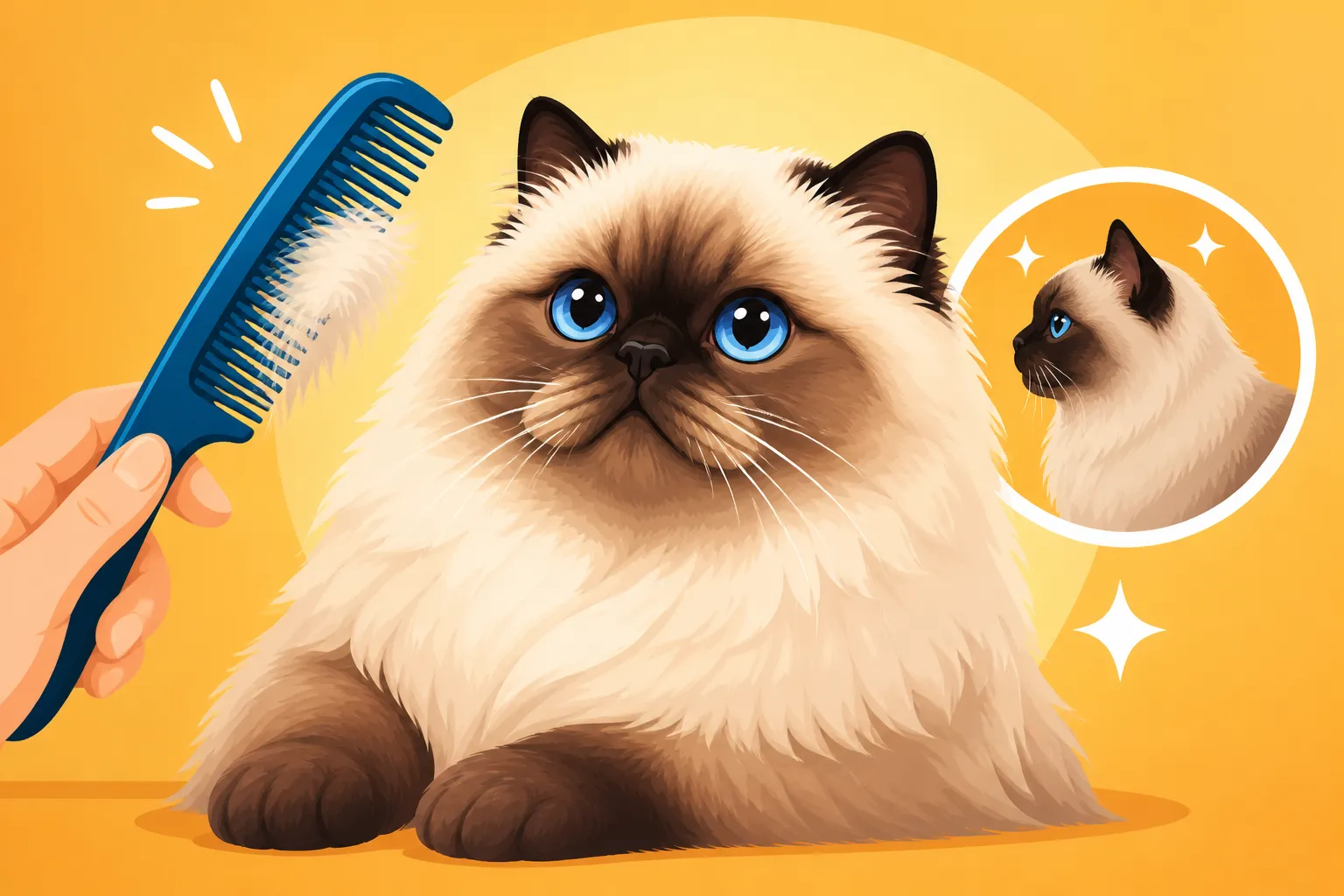
If there's one tool you absolutely cannot live without as a Himalayan owner, it's a high-quality stainless steel comb. This isn't your average plastic comb from the dollar store; we're talking about a sturdy, well-weighted comb with both wide and fine-toothed sections. The wide-toothed side is your primary weapon for general detangling and getting through the bulk of the coat, while the fine-toothed side is essential for the delicate areas and for ensuring every last tangle is gone.
The quality of the steel comb matters immensely. Cheap combs often have sharp edges that can scratch your cat's skin or flimsy teeth that bend and break. Look for combs with smooth, rounded teeth that glide through the fur without snagging. Ergonomic handles can also make a big difference for your comfort during those longer grooming sessions. You might find excellent options on platforms like Amazon, offering a wide selection and customer reviews to guide your choice. Ultimately, understanding Which Steel Comb a Himalayan's Coat Needs is paramount to efficient and safe grooming.
Beyond the Comb: Supporting Tools for a Pristine Coat
While the steel comb is your daily driver, a few other tools can round out your grooming kit and make the job easier, especially for maintaining that flawless finish.
- Slicker Brush: A slicker brush, with its fine wire bristles, is great for removing loose surface hair and fluffing up the coat after you've thoroughly combed out all tangles. It's not for deep detangling or mat removal; in fact, using a slicker brush on a matted coat can push tangles further in and make them worse. However, for a fully detangled coat, it can give that beautiful, airy finish and help distribute natural oils.
- Dematting Tools (Use with Extreme Caution): These tools often have razor-sharp blades designed to cut through mats. While they can be tempting, they are very easy to misuse and can cause serious cuts to your cat's skin if not handled by an experienced professional. If you find yourself reaching for a dematting tool, it's often a sign that the matting is beyond your home grooming skills, and a professional groomer or vet visit is likely a safer option.
- Grooming Sprays and Powders: A good detangling spray can make combing through dry fur much easier and reduce static. Look for cat-specific, non-toxic formulas. Grooming powders, particularly cornstarch, can also be invaluable. A light dusting of cornstarch worked into a small tangle can help lubricate the hairs, making them easier to separate with your comb.
- Blunt-Nose Scissors: These are not for cutting mats off! Never, ever try to cut a mat off with sharp scissors, as it's incredibly easy to cut the skin underneath. Blunt-nose scissors are useful for carefully trimming any stray hairs around sensitive areas that might be causing irritation, like around the eyes or paw pads, after they are completely free of mats and tangles.
Mastering the Daily Ritual: Your Step-by-Step Himalayan Combing Routine
Establishing a consistent and positive grooming routine is perhaps the most important thing you can do for your Himalayan. It's not just about the mechanics of combing; it's about building trust, creating a predictable experience, and making it as comfortable as possible for your cat. Remember, consistency is key – How Long a Himalayan's Daily Comb Takes can vary, but dedication truly pays off.
Setting the Stage: Creating a Calm and Consistent Environment
Cats thrive on routine and predictability, and grooming is no exception. Choose a time of day when your cat is generally relaxed – perhaps after a meal or a short play session. Pick a specific, quiet spot in your home that offers good lighting and won't be subject to interruptions. A sturdy table with a non-slip mat can be ideal, as it brings your cat to a comfortable working height and often makes them feel more secure than being on the floor.
Before you even touch the comb to their fur, make the experience positive. Have some favorite treats ready. Speak to them in a calm, soothing voice. Start with gentle strokes and praise. If your cat is new to grooming or a bit resistant, begin with very short sessions – even just a minute or two – and gradually increase the duration as they become more accustomed to it. The goal is to associate grooming with positive experiences, not dread. Think of it as a special one-on-one time with your feline friend.
The Full Body Scan: Methodical Combing from Head to Tail
The most effective way to comb a Himalayan is to work methodically, section by section, ensuring you get down to the skin. Many people make the mistake of only combing the top layer of fur, leaving mats to fester underneath. You need to part the fur and comb from the roots outwards.
Here's a suggested approach:
- Start with the "Easy" Zones: Begin with areas your cat is usually comfortable with, like their back or sides. Use the wide-toothed side of your steel comb. Part the fur with your hand, exposing the skin, and gently comb a small section, working your way through. Always comb in the direction of hair growth.
- The Magnificent Ruff: The ruff, that beautiful mane around their neck and chest, is a prime matting zone. It's also an area where they love to rub, so tangles can form quickly. Be extra gentle here, using the wide-toothed comb first, then switching to the fine-toothed side to ensure thoroughness. Support the skin underneath with your free hand to prevent pulling.
- The Delicate Armpits and Legs: These are notoriously difficult areas to comb because the skin is loose and sensitive, and they're constantly moving. Lift their leg gently and comb small sections, being very careful not to pull. The armpits are almost guaranteed to mat first, so daily attention here is vital.
- The Britches and Belly: The long fur on their hindquarters (the britches) can easily become soiled and matted. Similarly, the belly fur, which often gets neglected, is prone to tangles from lying down. Gently roll your cat onto their side or back (if they tolerate it) to access these areas. This is where the fine-toothed comb will really shine.
- The Tail: While often overlooked, the tail can also develop tangles, especially if it drags or swishes frequently. Hold the tail gently at the base and comb the fur in sections, working outwards.
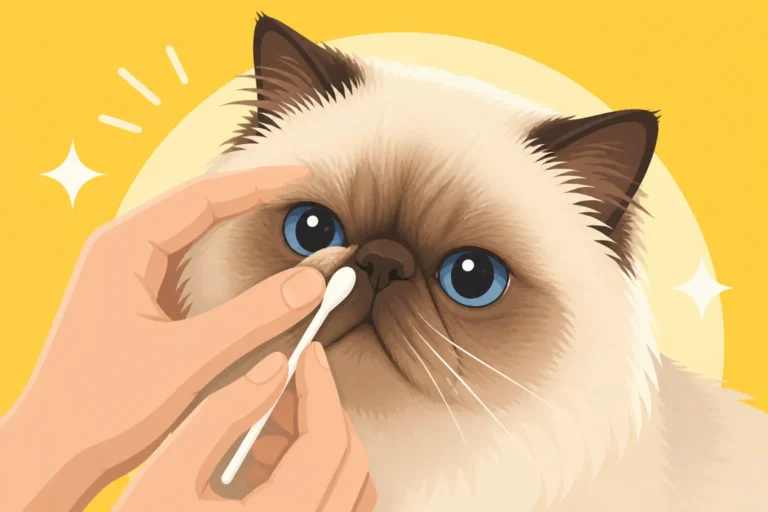
- The Face: While not usually prone to major matting, the fur around the face, especially the chin and cheeks, can get tangled or develop food debris. Use the fine-toothed comb very carefully around these areas. This also ties into The Morning Face Routine Every Himalayan Needs for overall hygiene.
Remember to praise your cat throughout the process, offer small treats periodically, and take breaks if they seem stressed. The goal is to make it a positive interaction, not a battle.
Tackling the Tangles: Preventing and Addressing Mats Like a Pro
Despite your best efforts, sometimes a small tangle will sneak past your daily comb. The key is to address these immediately, before they have a chance to solidify into a painful mat. Proactivity is your best friend when it comes to Himalayan coat care.
Early Detection is Key: Spotting Trouble Before It Starts
The most effective strategy against mats is prevention, and prevention hinges on early detection. During your daily combing session, don't just comb visually; feel for any slight resistance or lumps in the fur. Run your fingers through their coat, especially in those common matting hotspots: behind the ears, under the chin, in the armpits, on the belly, and in the britches. These are the areas where mats love to start, often out of sight until they're a significant problem.
When you're consistently combing, you'll develop a "feel" for your cat's coat. Any slight change, a tiny knot forming, will become noticeable to you. Addressing these nascent tangles with your comb immediately, when they are still small and loose, saves you immense frustration and prevents discomfort for your cat. This proactive approach is exactly why Why a Missed Day Costs a Himalayan a Mat is so true; those tiny knots left unattended quickly snowball.
Gentle Dematting Strategies: When a Mat Forms
Okay, so you've found a small mat. Don't panic! The absolute worst thing you can do is yank on it or try to forcefully comb it out, as this will only hurt your cat and make them resent future grooming. Patience and gentleness are paramount here.
Here's a safer approach:
- Assess the Mat: Is it small and relatively loose, or is it a tight, solid mass against the skin? For larger, tighter mats, a professional groomer or vet might be the safest option, as there's a high risk of injuring your cat.
- Apply Cornstarch: For smaller, manageable mats, lightly sprinkle a small amount of cornstarch (yes, the kind from your kitchen!) directly onto the mat. Work it in gently with your fingers. The cornstarch helps to absorb oils and lubricate the hairs, making them less prone to sticking together and easier to separate.
- Finger Pick First: With your fingers, try to gently tease apart the outer edges of the mat, working small sections loose. Think of it like trying to untangle a delicate necklace, not a battle rope.
- Use the Wide-Toothed Comb (Carefully!): Once you've loosened some of the mat with your fingers, switch to the wide-toothed side of your steel comb. Hold the mat close to the skin with one hand to prevent pulling on your cat's skin. With the other hand, use just the very tips of the comb's teeth to gently pick at the outer edges of the mat, working a few hairs loose at a time. Work slowly, patiently, and in very small increments.
- Switch to the Fine-Toothed Comb (Last Resort): Only when the mat is significantly loosened and you're confident it's nearly gone, you can use the fine-toothed comb to smooth out the remaining tangles.
- Know When to Stop: If your cat is becoming agitated, or if the mat isn't budging and seems too painful to work on, stop immediately. Pushing through will only traumatize your cat and make future grooming impossible. This is precisely when a professional groomer or veterinarian needs to step in. They have specialized tools and techniques, and can even sedate a cat for safe and humane mat removal if necessary. Always remember that Why a Himalayan That Fights Grooming Ends Up Sedated is a real possibility if matting is severe and not addressed early.
When you're working on a mat, use platforms like Chewy or Amazon to easily find and order cat-safe detangling sprays or even a specialized mat splitter (though again, use the splitter with extreme caution and only if you're confident in your technique).
Beyond the Fluff: The Health Implications of Consistent Grooming
Grooming a Himalayan isn't just about aesthetics; it's a critical component of their overall health and well-being. The act of daily combing provides you with invaluable opportunities to monitor their physical condition and prevent potential health problems that can hide beneath that glorious coat.
Skin Health and Hygiene: Preventing Hidden Issues
As we discussed, mats directly impact skin health by restricting airflow and trapping moisture and debris. This leads to common problems like contact dermatitis, yeast infections, and bacterial skin infections, which can be incredibly itchy and painful for your cat. The continuous pulling of mats on the skin can also create open sores. Furthermore, a dense, matted coat provides the perfect hideout for external parasites such as fleas and ticks, making them difficult to spot and treat.
Your daily combing routine is your first line of defense against these issues. As you comb through the fur, you're not just detangling; you're also visually inspecting their skin. You can spot redness, flakes, bumps, fleas, or any unusual growths. This regular tactile and visual examination allows you to catch problems early, before they escalate. It's truly amazing how effectively Why a Himalayan's Coat Hides a Wound for Days – a seemingly minor cut or scratch can go unnoticed for too long in that dense fur, leading to infection. Similarly, a thorough comb can reveal subtle skin changes that might indicate allergies or other underlying health conditions, prompting an earlier vet visit. You might also notice if Why a Himalayan Stops Grooming When It Is Unhappy, which can be a sign of discomfort or illness. Even a simple spot check of Why a Himalayan's Nose Leather Should Be Checked Monthly can be incorporated into this routine.
Digestive Wellness: Minimizing Hairballs
Cats are meticulous self-groomers. They spend a significant portion of their day licking their coats clean. For a long-haired breed like the Himalayan, this means ingesting a substantial amount of loose fur. While their digestive system can usually handle a certain amount, excessive ingested fur can lead to hairballs, which are collections of indigestible hair that can become lodged in the digestive tract.
Hairballs manifest as coughing, gagging, vomiting, or in severe cases, intestinal blockages that require emergency veterinary intervention. Daily combing drastically reduces the amount of loose fur your Himalayan ingests. By removing those dead hairs with your comb, you're doing a huge favor to their digestive system. It's a simple, proactive step that can prevent a lot of discomfort and potentially serious health issues down the line. Alongside regular combing, offering hairball control cat food, or even specialized nutritional supplements, can further support their digestive health.
Common Combing Challenges and How to Overcome Them
Let's be real, not every Himalayan will happily purr through their daily grooming session. Some are a bit more opinionated about having their magnificent coat handled. It's completely normal to encounter resistance, but with patience and the right approach, you can turn a challenging chore into a manageable routine.
The Fidgety Feline: Building Tolerance and Trust
If your Himalayan squirms, bats at the comb, or tries to escape during grooming, you're not alone. This is a common challenge, especially with cats who weren't introduced to grooming early or had a negative experience. The key here is to build tolerance and trust, slowly but surely.
- Start Small: Begin with very brief sessions, perhaps just 30 seconds to a minute. Focus on an area your cat tolerates most, like their back.
- Positive Reinforcement: Shower them with praise and offer high-value treats (like small pieces of cooked chicken, salmon, or a lickable treat paste) during and immediately after the short session. The moment the comb is put down, the treat comes out. The idea is to create a positive association.
- Gentle Touch: Always use a gentle hand. Never yank or pull. If you hit a snag, gently work it out rather than forcing the comb through. Painful experiences will set you back significantly.
- Consistency: Daily, short sessions are far more effective than infrequent, long, and stressful battles. Regular exposure helps desensitize them to the comb and the handling.
- Consider Location: Some cats are more relaxed being groomed on your lap, others prefer a stable surface like a table. Experiment to find what makes them most comfortable.
- Play First: A tired cat is often a more compliant cat. Engage in a vigorous play session before grooming to burn off some energy and help them relax. Getting a Himalayan Kitten Used to the Comb from a very young age, ideally within their first few weeks at home, is the gold standard for creating a cat that accepts grooming without a fuss.
Older or Less Mobile Himalayans: Adapting Your Approach
As Himalayans age, they may develop conditions like arthritis or other mobility issues that make self-grooming difficult and lying in certain positions uncomfortable. This means your role in their grooming becomes even more vital. Their magnificent coat won't care if their joints ache, and mats will still form.
- Gentle Positioning: Be extra mindful of their body language. Avoid forcing them into uncomfortable positions. Support their joints and body as you gently maneuver them.
- Softer Surfaces: Grooming on a soft blanket or a cushioned surface might be more comfortable for aching joints than a hard table.
- Shorter, More Frequent Sessions: Instead of one long session, break it into multiple, very short sessions throughout the day. This reduces strain and allows them to rest.
- Target Problem Areas: Prioritize the areas most prone to matting and most difficult for them to reach themselves: the armpits, britches, and belly. These are the areas where When an Old Himalayan Can No Longer Reach Its Back and ends up with mats.
- Consult Your Vet: If your older Himalayan is showing significant discomfort during grooming, speak to your veterinarian. They might recommend pain management or joint supplements that can make the process much easier for your cat. Your vet can also advise on whether a professional groomer or veterinary team might need to perform a "lion cut" if matting becomes unmanageable due to their discomfort.
The Long-Term Payoff: Why the Daily Comb is an Act of Love
When you look at your Himalayan, perhaps lounging regally on their favorite chair, it's easy to see the beauty of their coat. What's harder to see, but equally important, is the effort that goes into maintaining it. The daily comb is more than just a chore; it's a profound act of care and a cornerstone of your bond with your cat.
A Lifetime of Comfort and Connection
Imagine living with a constantly tangled, itchy, and painful coat. That's the reality for a Himalayan whose grooming needs are neglected. By committing to the daily comb, you are ensuring a lifetime of comfort for your feline companion. They can move freely, without skin pulling or irritation, and their skin can breathe. This directly contributes to their overall happiness and well-being.
Beyond the physical comfort, the grooming ritual itself strengthens the bond between you and your cat. It's a quiet, focused time of interaction, trust-building, and gentle touch. Many Himalayans, once accustomed to the routine, come to enjoy these sessions, seeing them as a special time with their favorite human. It’s a moment for quiet purrs, gentle strokes, and shared presence. It also gives you a deep understanding of their body, allowing you to notice any subtle changes that might indicate health issues, from a new lump to a slight thinning of the fur.
Saving Time and Money in the Long Run
While the idea of daily combing might seem like a significant time investment, consider the alternative. Neglecting the coat inevitably leads to severe matting. Once mats become tight and extensive, removing them yourself without causing pain or injury is nearly impossible. This means a trip to the professional groomer or, more often, a veterinary visit for sedation and a full shave-down.
These professional interventions are not only stressful for your cat but also costly. Sedation carries its own risks, and a full body shave can leave your Himalayan feeling vulnerable and exposed. A simple 10-15 minute daily combing session pales in comparison to the time, stress, and expense of dealing with severe matting. Moreover, preventing skin infections or hairball blockages through regular grooming saves you from unexpected vet bills and painful treatments. When you look at What a Himalayan Really Costs Once the Coat Is Counted, the investment in time for daily grooming becomes one of the most cost-effective and beneficial practices you can adopt. It’s an investment in their comfort, health, and your peace of mind.
Here's a quick overview of the benefits of consistent grooming:
| Aspect | Neglected Grooming | Consistent Daily Grooming |
|---|---|---|
| Comfort | Painful skin pulling, restricted movement, constant irritation. | Free movement, comfortable skin, reduces stress. |
| Skin Health | Infections, hot spots, parasites, trapped moisture. | Healthy, breathable skin, early detection of issues, cleanliness. |
| Hairballs | Frequent hairballs, vomiting, potential blockages. | Significantly reduced hairball frequency, improved digestion. |
| Bonding | Stressful interactions, cat avoids owner's touch. | Strengthens trust, positive interaction, mutual affection. |
| Cost & Time | High vet/groomer bills for mat removal, emergency care. | Minimal daily time investment, avoids costly interventions. |
| Appearance | Dull, matted, disheveled coat. | Luxurious, flowing, healthy, beautiful coat. |
| Early Detection | Health issues hidden by mats, delayed treatment. | Early identification of lumps, skin issues, or parasites. |
Disclaimer
This article is for general informational purposes only and does not constitute professional advice. Laws, prices and regulations vary by location and change over time. Consult a qualified professional for guidance on your specific situation.