Why a Himalayan Soaks Its Ruff Drinking
If you've ever watched your beautiful Himalayan cat take a drink of water, you've probably noticed a common, slightly soggy phenomenon: their magnificent ruff ends up completely drenched. It's a daily ritual that can be both endearing and, let's be honest, a little bit frustrating when you're constantly dabbing at a wet chin or worrying about skin irritation. This guide dives deep into why our flat-faced, long-haired companions seem destined for soggy collars and offers practical, empathetic solutions to keep your furry friend comfortable and dry.
Understanding the Himalayan's Unique Anatomy
Our Himalayans are truly special creatures, a delightful blend of Persian grace and Siamese vocal charm. But it's that very unique physical blueprint, largely inherited from their Persian lineage, that makes drinking a rather splashy affair. Their distinctive features are absolutely gorgeous, but they weren't exactly designed for elegant sipping from a standard bowl.
The Distinctive Flat Face and Short Muzzle
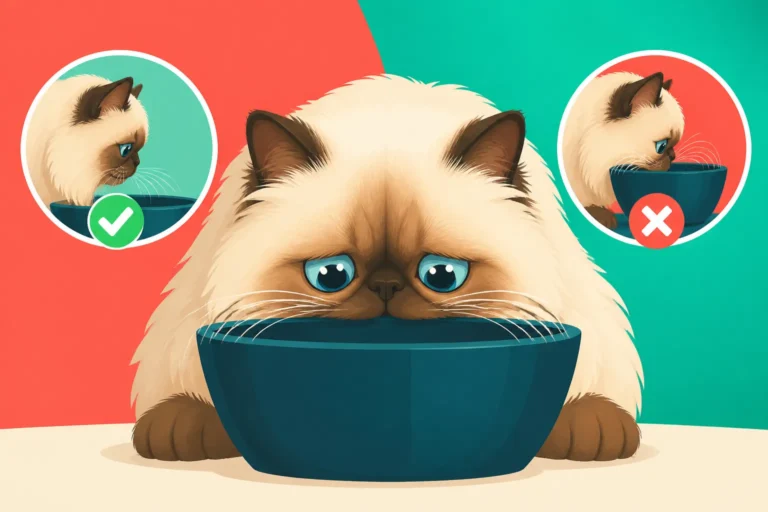
The most defining characteristic of a Himalayan, especially the more extreme "Peke-face" variety, is its remarkably flat face and short muzzle. While incredibly cute and the hallmark of the breed's aesthetic, this conformation presents some real challenges when it comes to everyday activities like eating and drinking. Unlike cats with longer snouts who can easily dip just their mouths into water, a Himalayan's facial structure means their entire nose and chin area often get immersed just to reach the liquid.
Imagine trying to drink from a glass when your nose is almost level with your lips – you’d have to push your whole face down, right? That's precisely what happens for our Himalayans. Their shortened facial bones mean their mouths are much closer to the rest of their face, making it difficult to get a clean drink without dunking. This isn't poor table manners; it's simply a matter of physics and anatomy. Breeders committed to health will pay close attention to this, often aiming for a "doll face" profile that provides a bit more room, but even those still have a relatively flat face compared to many other breeds. What a Doll Face Himalayan's Profile Measures discusses this in more detail.
The Magnificent, All-Encompassing Ruff
Ah, the ruff! That glorious, thick mane of fur around a Himalayan's neck and chest is undeniably one of their most stunning features. It gives them that regal, lion-like appearance that we all adore. However, this dense, flowing coat, particularly the ruff, is perfectly positioned to act like a giant sponge every time they lean down for a drink. The longer and thicker the fur, the more water it wicks up, leaving them with a thoroughly soaked bib.
This isn't just a cosmetic issue. A constantly wet ruff can lead to several problems, from discomfort to potential skin issues, which we'll explore later. The fur around their chin and upper chest is often very fine and dense, making it highly absorbent. It's a testament to the breed's beauty, but also a daily management challenge for us owners. We wouldn't trade that beautiful coat for anything, but it does mean we have to be a bit more proactive in their care.
The Cobby Body and Drinking Posture
Himalayans are renowned for their "cobby" body type – compact, heavily boned, and low to the ground with short, sturdy legs. This body structure, while contributing to their charming, rounded appearance, also dictates their posture when drinking. They typically stand rather than crouch significantly, and their short legs combined with their broad chests mean they have to lean down quite a bit to reach a standard water bowl on the floor.
This leaning posture further contributes to the ruff-soaking problem. When they bend their head down, their chest pushes forward, inevitably bringing that magnificent ruff into direct contact with the water surface. It’s not just their face; it’s the entire front of their neck that becomes vulnerable to getting wet. Understanding this combination of a flat face, luxurious ruff, and cobby body is the first step in finding effective solutions. What a Himalayan's Cobby Frame Should Weigh delves into their unique build.
The Physics of Drinking for a Flat-Faced Cat
Watching a Himalayan drink can sometimes feel like watching a graceful but slightly clumsy attempt at hydration. It’s not their fault; their unique facial structure fundamentally alters how they interact with their water source. The mechanics are just different, leading to predictable splashes and soaks.
The Challenge of Submerging the Face
For most cats, drinking involves a delicate lapping motion, barely breaking the surface tension with their tongue. They curl the tip of their tongue backward, creating a tiny cup, and then rapidly draw it back into their mouth, pulling a small column of water with it. This is a remarkably efficient and often dry process for a cat with a prominent muzzle.
However, a Himalayan's flattened face means this elegant method is much harder to execute without getting wet. Their nose is often nearly flush with their upper lip, making it nearly impossible to "cup" water without the entire facial area coming into contact with the liquid. They have to press their face further down to get a good lapping angle, often resulting in their whole chin and lower jaw dipping right into the bowl. It's less a delicate sip and more of a full facial immersion, whether intentional or not. This is particularly true for cats with a very pronounced Peke-face profile, where the nose break is extremely deep. Why a Himalayan Snores Louder Than Its Siamese Ancestors touches on other respiratory challenges related to their facial structure.
The Wide Drinking Angle Required
Because of their broad, flat faces, Himalayans often need to approach the water bowl at a wider, more direct angle than other breeds. They can't easily angle their head to the side and just get a corner of their mouth in. Instead, they tend to square up to the bowl, lowering their head straight down. This direct descent means that as their mouth approaches the water, the surrounding fur on their chin and ruff is the first thing to make contact.
Think about trying to pick up a small object with flat tongs versus pointed tweezers. The flatter tongs need a broader approach. Similarly, the Himalayan's wide, flat facial plane dictates a less precise entry into the water. This wide angle, combined with their already low-slung body, means the ruff has a prime opportunity to soak up water like a paper towel. It’s a design challenge that necessitates a thoughtful approach to their drinking setup.
Whisker Interference and Discomfort
Cats are incredibly sensitive around their whiskers. These vibrissae are vital sensory organs, helping them navigate, gauge distances, and understand their environment. Many cats dislike having their whiskers bent, stressed, or pressed against the sides of a bowl – an aversion often called "whisker fatigue." For a Himalayan, whose whiskers often emerge from a flatter, broader facial area, this can be an even more pronounced issue.
If a water bowl is too narrow or deep, a Himalayan's whiskers will constantly brush against the sides. To avoid this discomfort, they might try to push their entire face further into the bowl, forcing their mouth down to reach the water's surface while keeping their whiskers clear of the edges. While it avoids whisker irritation, it exacerbates the problem of a wet ruff and chin. This is a delicate balance, and choosing the right bowl can make all the difference in allowing them to drink comfortably without drenching themselves.
Common Issues Arising from a Wet Ruff
A wet ruff isn't just an aesthetic nuisance or a minor inconvenience; it can lead to a host of health and hygiene issues for your Himalayan. Neglecting a perpetually damp coat can result in discomfort for your cat and more work for you. Being proactive is key to preventing these common problems.
Skin Irritation and Dermatitis Risks
Just like humans who get skin irritation from constant dampness, our Himalayans are susceptible to similar issues. A ruff that is frequently wet creates a warm, moist environment – the perfect breeding ground for bacteria and yeast. This can lead to various skin problems, collectively known as dermatitis. You might notice redness, itching, a foul odor, or even hair loss in the affected area.
This irritation can be incredibly uncomfortable for your cat, leading to excessive scratching or rubbing, which only makes the problem worse. The delicate skin under that thick coat is not designed to be constantly damp. If you start to notice any of these signs, it's crucial to address it immediately. Regular cleaning and ensuring the area dries thoroughly after drinking are vital preventative measures. What Happens If a Himalayan's Nose Fold Stays Damp explores similar skin issues around their facial folds.
Matting and Tangles in the Neck Fur
The Himalayan's coat is luxurious, but also prone to matting, especially in areas of friction or dampness. The fur around their neck, chest, and behind their ears is particularly susceptible. When this area repeatedly gets wet and then dries without proper grooming, the hairs can tangle and knot together, forming painful mats. These aren't just cosmetic; mats pull on the skin, causing discomfort and pain, and can even restrict movement.
Once a mat forms, it's much harder to remove. Often, small mats can be carefully combed out, but larger, tighter mats may require professional grooming or even veterinary attention, sometimes needing to be shaved off under sedation. This is why daily combing, especially around the ruff, is non-negotiable for a Himalayan, and even more so if it's frequently damp. Integrating a quick comb after they drink, or at least a thorough session daily, can save a lot of pain and stress for both of you. Why a Missed Day Costs a Himalayan a Mat highlights the importance of regular grooming.
Chilling and General Discomfort
While cats are generally adaptable, a constantly wet ruff can also cause them general discomfort, especially in cooler environments. Their thick coat is designed to keep them warm, and when it's soaked, it loses some of its insulating properties. Imagine wearing a damp scarf all day; it's just not pleasant.
This dampness can make them feel chilly, leading them to seek out warmer spots, or just generally making them less content. In extreme cases, if they're particularly sensitive or unwell, prolonged dampness could even contribute to a slight dip in body temperature, although this is less common indoors. More often, it’s simply an annoyance that impacts their quality of life. Keeping them dry contributes to their overall well-being and happiness.
Practical Solutions for a Drier Drinking Experience
The good news is that with a few thoughtful adjustments, you can significantly reduce the amount of water your Himalayan's ruff soaks up. It's about working with their unique anatomy, rather than expecting them to adapt to a setup that wasn't designed for them.
Choosing the Right Water Bowl Design
This is perhaps the single most impactful change you can make. The standard deep, round water bowl is often the worst culprit for a Himalayan. Instead, look for bowls specifically designed for flat-faced breeds, often marketed as "Persian bowls" or "brachycephalic bowls."
Here’s what to look for:
- Shallow Depth: The water level should be easily accessible without your cat having to dunk their entire face.
- Wide Opening: A broad bowl allows them to get their mouth to the water without their whiskers touching the sides, encouraging a more natural drinking posture. This also helps prevent that dreaded whisker fatigue.
- Slanted or Raised Designs: Some bowls have a slight incline or are raised on a stand. A raised bowl can help some Himalayans avoid leaning down as far, which reduces the chance of their chest and ruff hitting the water. A slanted bowl can pool water at the front, making it easier to reach.
- Ceramic or Stainless Steel: These materials are easy to clean and less likely to harbor bacteria than plastic.
- Heavy Base: Prevents tipping and splashing, which can create additional mess.
Brands like Chewy and Amazon offer a wide selection of these specialized bowls. Look for descriptions specifically mentioning flat-faced breeds. Experimentation might be necessary to find the perfect fit for your individual cat. Which Bowl Shape a Flat Faced Himalayan Can Use further elaborates on this crucial choice.
Managing Water Levels Effectively
Even with the perfect bowl, the water level plays a crucial role. A bowl filled to the brim might seem generous, but it actually increases the likelihood of your Himalayan soaking their ruff. When the water is too high, there's less space between the surface and the rim of the bowl, meaning their fur is almost guaranteed to make contact.
Instead, aim for a lower water level – just enough so that their tongue can easily reach it without having to push their face down excessively. You'll need to refill it more frequently, but this small effort can make a big difference in keeping them dry. Keeping the water at about halfway to two-thirds full often works well. This strategy minimizes the contact area for their ruff while still providing ample hydration. Always ensure fresh water is available, even if you keep the level lower.
Grooming Strategies for a Dry Ruff
Regular grooming is always essential for a Himalayan, but it becomes even more critical when managing a perpetually wet ruff.
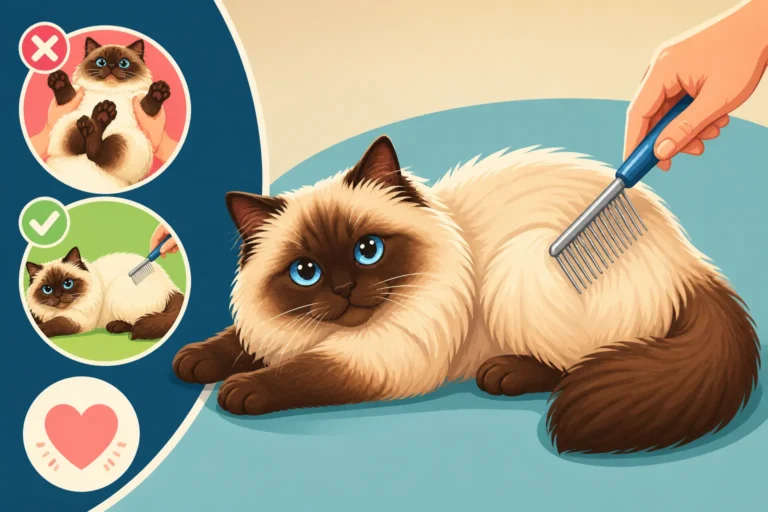
- Daily Combing: Focus particular attention on the ruff, chin, and chest area. Use a high-quality steel comb with both wide and fine teeth. Gently work through any tangles daily to prevent mats from forming. This also helps to remove loose fur that could absorb more water. How Long a Himalayan's Daily Comb Takes is a useful guide.
- Blotting and Drying: After your cat drinks, gently blot their ruff with a soft, absorbent cloth or even a paper towel. Don't rub, as this can create tangles. Just a gentle pat will do. For some cats, especially those prone to skin issues, a quick pass with a low-heat hairdryer (held at a safe distance) can ensure the fur is thoroughly dry, but introduce this slowly and make it a positive experience with treats.
- Trimming the Ruff (Selectively): This is a more advanced technique and should ideally be done by a professional groomer or under their guidance. A very slight trim of the longest hairs directly under the chin and around the leading edge of the ruff can reduce the amount of fur that dips into the water. This is not a "lion cut" but rather a subtle shaping to minimize water absorption. Be very cautious if attempting this yourself, as it's easy to cut too much or injure your cat.
Exploring Alternative Hydration Methods
If traditional bowls continue to be a soggy struggle, consider these alternatives:
- Water Fountains: Many cats are fascinated by running water, and a fountain can encourage them to drink more. Some fountains are designed with flatter, wider drinking surfaces that might work better for Himalayans. However, watch how your cat drinks from it, as some still manage to get quite wet. Look for models with a wide, shallow reservoir area for drinking.
- Wet Food: Increasing the amount of wet food in their diet is an excellent way to boost their overall hydration. Wet food contains a high percentage of water, which helps ensure they're getting enough fluids, even if their water bowl habits are still a bit splashy. This can be particularly helpful if you're worried about dehydration, especially for senior cats. High-quality wet cat food can be a great option. How Much Wet Food a Flat Faced Himalayan Gets Through explores the benefits of wet food.
- Multiple Water Stations: Sometimes, simply having several water bowls in different locations throughout the house can help. Your cat might prefer one specific spot or type of bowl over another. The more opportunities they have to drink, the less likely they are to become dehydrated, even if one bowl is a bit messier than the rest.
| Bowl Type | Pros | Cons | Best For Himalayan |
|---|---|---|---|
| Standard Round/Deep | Widely available, inexpensive | High risk of ruff soaking, whisker fatigue | Not recommended |
| Shallow/Wide Dish | Minimal ruff contact, less whisker stress | May need frequent refilling, prone to spills | Highly recommended |
| Raised Bowl | Reduces leaning, can aid digestion | Cat still needs to reach, some ruffs may still dip | Good for some |
| Slanted Bowl | Pools water for easier access | Specific designs might not suit all cats | Good for some |
| Pet Water Fountain | Encourages drinking, fresh circulating water | Can be noisy, requires cleaning, some designs still problematic | Experimentation needed |
Long-Term Health Considerations
The immediate annoyance of a wet ruff might be the biggest concern for us owners, but there are legitimate long-term health implications if the problem isn't addressed. Maintaining your Himalayan's hygiene and comfort is paramount for their overall well-being.
Preventing Fungal and Bacterial Growth
As mentioned earlier, a consistently damp environment is an invitation for unwelcome microscopic guests. Fungi and bacteria thrive in warm, moist conditions, and your Himalayan's dense, wet ruff provides just that. Over time, this can lead to persistent skin infections that are not only irritating and painful for your cat but can also be challenging and costly to treat.
These infections might manifest as red, itchy patches, a greasy or crusty texture to the fur, or an unpleasant odor. If left unchecked, they can spread and cause more serious issues, potentially requiring veterinary intervention with antifungal or antibacterial medications. Prevention through diligent drying and proper bowl selection is far easier and better for your cat than treating an established infection. Regularly checking your cat's skin under their ruff for any signs of irritation is a good practice. Why a Himalayan's Skin Reacts to Its Food can also touch on skin health, though from a different angle.
Maintaining Coat Health and Hygiene
Beyond infections, continuous dampness can severely impact the quality and health of your Himalayan's coat. The constant wetting and drying, especially without thorough grooming, can strip the natural oils from the fur, leading to a dull, brittle, and unhealthy appearance. It also makes the fur even more prone to matting, which, as we know, can be incredibly painful and necessitate shaving.
A healthy Himalayan coat should be soft, lustrous, and free-flowing. Neglecting the ruff by allowing it to remain wet compromises this. Furthermore, a dirty, damp ruff can attract debris, dust, and even tiny food particles, making it a generally unhygienic area. Maintaining a dry, clean ruff ensures that the coat retains its natural beauty and health, reflecting the overall well-being of your beloved cat. Why a Himalayan's Pale Body Coat Yellows can explain how environmental factors affect coat appearance.
Supporting Respiratory Comfort
While not directly caused by a wet ruff, the overall facial structure that leads to a wet ruff is also intrinsically linked to a Himalayan's respiratory system. Flat-faced breeds are known as brachycephalic, meaning "short-headed." This can lead to Brachycephalic Airway Obstruction Syndrome (BAOS), a condition that can cause breathing difficulties.
While a wet ruff doesn't cause BAOS, an uncomfortable or irritated cat might mouth-breathe more or find it harder to regulate their temperature, especially if their fur is damp. Anything that adds to their discomfort or potential stress can indirectly impact their already challenged respiratory system. Ensuring they are comfortable, dry, and well-hydrated without added stress during drinking contributes to their overall well-being and lessens any secondary strain on their breathing. Proper hydration is also crucial for kidney health, an area of concern for many Himalayans given their Persian lineage. How Early Cysts Show on a Himalayan's Kidney Scan covers this topic in depth. A happy, dry, comfortable cat is better equipped to manage any inherent respiratory challenges.
Disclaimer
This article is for general informational purposes only and does not constitute professional advice. Laws, prices and regulations vary by location and change over time. Consult a qualified professional for guidance on your specific situation.