How an Old Himalayan’s Flat Faced Breathing Worsens
It’s truly heartbreaking to watch our beloved Himalayan companions, once so full of gentle charm and playful chirps, begin to struggle with the very act of breathing as they enter their senior years. The flat, endearing faces that make them so unique also predispose them to respiratory challenges, and aging often brings these underlying issues to the forefront. This guide will walk you through why your older Himalayan’s flat-faced breathing tends to worsen, what to look out for, and how you can support them through these changes.
The Inherited Challenge: Understanding Your Himalayan's Brachycephalic Airway
When we bring a Himalayan into our lives, we often fall head over heels for their sweet, expressive faces. But what many new owners, and even some long-time ones, don't fully realize is that this distinct flat-faced (or brachycephalic) structure comes with an inherent set of anatomical quirks that can make breathing a lifelong endeavor. It's not just a cute facial feature; it's a structural reality that impacts their entire respiratory system.
What "Flat-Faced" Really Means for Breathing
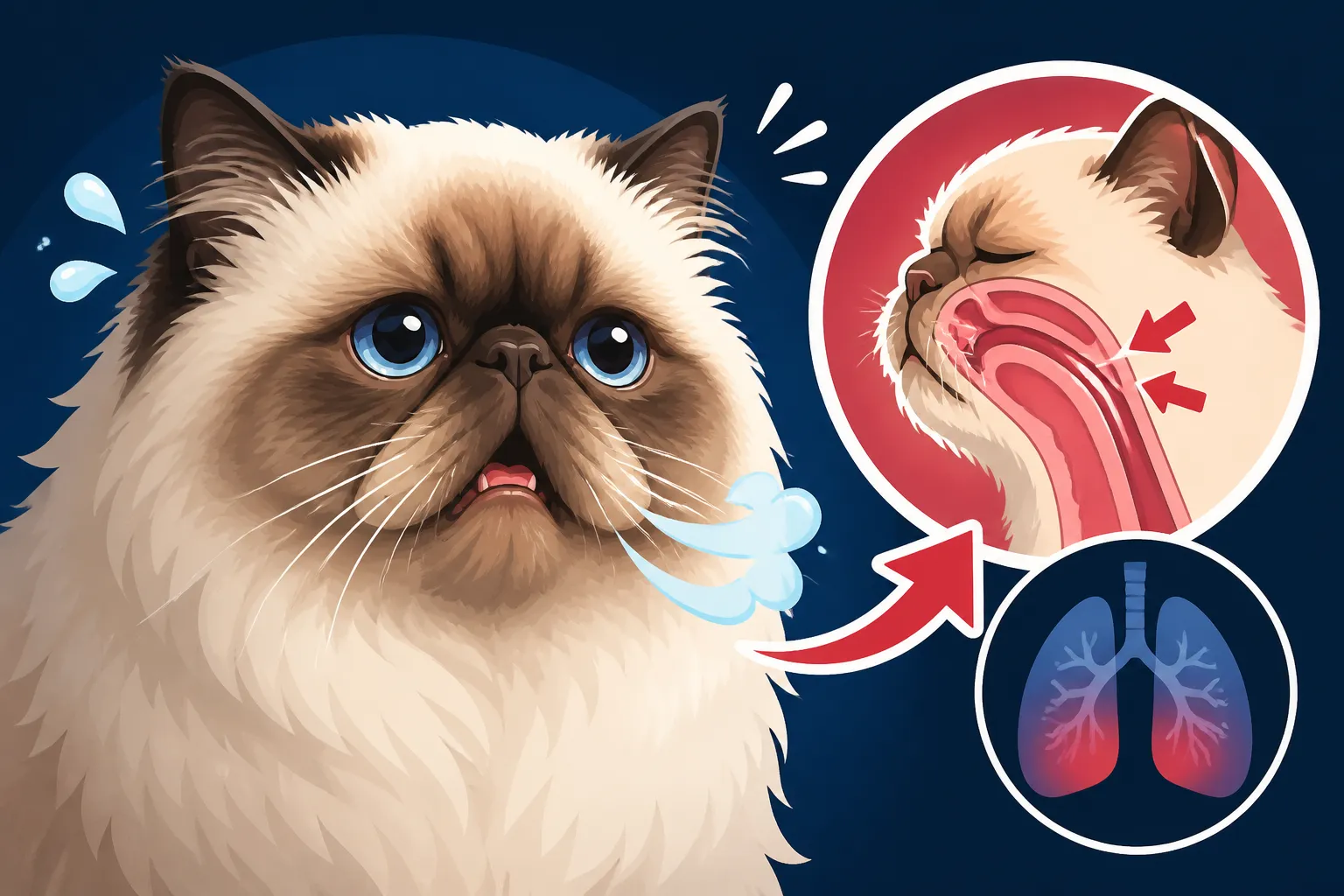
Imagine trying to breathe through a straw while running a marathon – that's a bit what life can be like for a Himalayan. Their shortened skull means all the soft tissues that would normally fit comfortably in a longer muzzle are crammed into a much smaller space. This anatomical compression is the root cause of what veterinarians often refer to as Brachycephalic Airway Syndrome (BAS). It's not a single condition but a combination of issues. We're talking about tiny, pinched nostrils that barely let air in, known as stenotic nares. Then there's an elongated soft palate, which is the fleshy part at the back of the roof of their mouth. Instead of ending where it should, it drapes down into the airway, sometimes partially blocking the entrance to the trachea, especially when they're excited or trying to take a deep breath.
Furthermore, some Himalayans might also have an everted laryngeal saccules, where small pouches of tissue inside the larynx turn outwards and get sucked into the airway, creating even more obstruction. And let's not forget the possibility of a hypoplastic trachea, a windpipe that's narrower than it should be, making the pathway for air even tighter. It's a complex puzzle of obstructions, each piece contributing to the overall challenge. It’s why you might hear your Himalayan make more noise than you'd expect, leading to questions like Why a Himalayan Snores Louder Than Its Siamese Ancestors.
How the Airway System is Compromised from Day One
These issues aren't something that suddenly appears overnight. They are built into the very architecture of a Himalayan's face from the moment they are born. Even as kittens, many flat-faced cats exhibit some degree of noisy breathing, though it's often dismissed as "just how they are." While a young, healthy Himalayan might compensate well enough to lead a relatively normal life, their respiratory system is constantly working harder than that of a cat with a longer muzzle. Think of it as always breathing at a slight disadvantage.
Over the years, this constant effort can take its toll on the delicate structures of the throat and lungs. The chronic inflammation from the elongated soft palate rubbing against other tissues, the extra pressure on the larynx, and the reduced airflow all contribute to a gradual weakening and thickening of the airway components. It’s a bit like a road that constantly gets too much traffic; eventually, it starts to show wear and tear, developing potholes and cracks. This pre-existing vulnerability is a critical factor in why breathing difficulties often escalate as your beloved Himalayan ages. Understanding What a Doll Face Himalayan's Profile Measures versus other types can sometimes give you an early indication of potential severity, though even subtle flat-faced traits can cause issues.
Why the Golden Years Bring Greater Breathing Struggles
As our Himalayans gracefully enter their senior years, typically starting around age 7-10, their bodies undergo natural changes, just like ours do. Unfortunately, these changes can dramatically worsen their already compromised breathing pathways, turning a manageable snuffle into a serious concern. It's a cruel twist of fate for these sweet, sedentary cats.
The Natural Deterioration of Tissues and Muscle Tone
One of the most significant factors in worsening breathing for older Himalayans is the natural process of aging itself. Just like humans, cats experience a loss of tissue elasticity and muscle tone as they get older. For a Himalayan, whose airway is already a tight squeeze, this can be particularly problematic. The soft palate, which might have been merely elongated in its youth, can become even floppier and more pendulous with age, increasing the obstruction in the pharynx. The muscles around the larynx and pharynx, which help keep the airway open, can also weaken, making it harder for the cat to actively maintain an open passage for air.
Furthermore, many senior cats tend to gain a bit of weight, becoming less active and sometimes developing a charmingly round physique. While a little extra padding might seem harmless, even a slight increase in fat deposits around the neck and chest can put additional pressure on an already restricted airway. This extra tissue can narrow the throat further, making every breath a more arduous task. This is why paying close attention to their weight and overall condition is vital, especially as they age, as this can directly impact their comfort.
The Compounding Effect of Other Senior Health Issues
Beyond the direct effects of aging on the airway tissues, other common senior health issues can significantly compound a Himalayan's breathing difficulties. Heart conditions, for instance, are unfortunately prevalent in older cats. A failing heart might lead to fluid accumulation in the lungs (pulmonary edema), which directly impairs oxygen exchange and makes breathing harder. Cats with heart disease will often show signs of increased respiratory effort, and for a brachycephalic cat, this double burden can be life-threatening.
Chronic respiratory infections or allergies, which may have been minor annoyances in a younger cat, can become more severe in an older Himalayan with a less robust immune system. Any inflammation or congestion in the nasal passages or lower airways will further restrict airflow through an already narrow system. Dental disease, another common ailment in older cats, can also indirectly affect breathing. Severe oral pain or infection can alter a cat's head posture or make them reluctant to eat, potentially impacting their general health and ability to cope with respiratory stress. This holistic view of their health is why regular vet check-ups are so crucial, and having a good pet insurance plan, like those offered by Healthy Paws, can certainly help manage the financial aspect of these often-complex senior care needs. When considering options like Whether Widening a Himalayan's Nostrils Helps or even more invasive procedures like What Soft Palate Surgery Involves for a Himalayan, the costs can quickly add up, making proactive planning invaluable.
Spotting the Signs: When Your Older Himalayan Needs Help
As loving cat parents, we are often the first to notice subtle changes in our pets. When it comes to breathing difficulties in an older Himalayan, early detection of worsening symptoms can make a significant difference in their comfort and quality of life. It’s easy to dismiss a little extra snuffling as "just age," but it's crucial to know the difference between normal aging sounds and signs of genuine distress.
Subtle Cues in Routine and Behavior
You know your cat best, so pay close attention to their daily habits. One of the first things you might notice is a change in their sleeping position. An older Himalayan struggling to breathe might start sleeping with its neck stretched out or its head propped up, trying to open its airway as much as possible. This is a classic indicator that they are working harder to get air, as explored in Why a Himalayan Sleeps With Its Neck Stretched Out. You might also notice a decrease in their activity levels, not just because they're older, but because any exertion makes breathing harder. They might be less inclined to play, even gentle games, or may become winded much more quickly.
The sounds they make can also change. While Himalayans are known for their snoring, an increase in the volume or frequency of snoring, or new sounds like wheezing, gurgling, or even a soft, raspy breath, are red flags. Watch for any open-mouth breathing, especially when at rest or not exerting themselves. Cats rarely breathe with an open mouth unless they are significantly stressed or struggling to get enough oxygen. You might also notice a change in their appetite, or they may take longer to eat because it's hard to breathe and eat simultaneously. Sometimes, a cat will try to hide their discomfort, which is a common feline trait, so understanding Why a Himalayan Hides Illness Behind an Expressionless Face is vital.
Here's a quick comparison of normal vs. concerning breathing signs:
| Characteristic | Normal (Younger/Stable) Himalayan | Concerning (Older/Worsening) Himalayan |
|---|---|---|
| Breathing Sound | Gentle purring, occasional soft snore, quiet breathing at rest. | Increased, louder snoring; wheezing, gurgling, rasping sounds; open-mouth breathing at rest. |
| Breathing Rate | 20-30 breaths per minute at rest, calm and effortless. | Faster breathing (tachypnea) even at rest, shallow breaths, visible effort. |
| Effort | No visible effort; chest and abdomen move subtly together. | Exaggerated chest and abdominal movement; head and neck extended; nostrils flaring. |
| Gums/Tongue Color | Healthy pink. | Pale, bluish, or grey (cyanosis) – Emergency! |
| Behavior | Calm, relaxed, sleeps in various positions. | Restless, anxious, struggling to get comfortable, seeking isolation, changed sleeping posture (neck stretched). |
| Exercise Tolerance | Normal for breed (gentle play, brief bursts). | Avoids exertion, tires quickly, pants heavily after minimal activity. |
Recognizing an Acute Respiratory Crisis
While subtle changes warrant a vet visit, some symptoms indicate an acute respiratory crisis that requires immediate emergency veterinary care. If you see your Himalayan struggling to breathe with an open mouth, especially if accompanied by a gasping sound or heavy panting even when not hot or active, this is an urgent sign. Look at their gums and tongue; if they appear pale, bluish, or grey (a condition called cyanosis), it means they aren't getting enough oxygen, and every second counts. This is a clear indicator that When a Himalayan's Open Mouth Breathing Needs a Vet is now.
Other critical signs include their chest and abdomen moving in a very exaggerated way, or if they adopt a "hunkered down" posture with their elbows splayed out, trying to expand their chest as much as possible. They might seem panicky, restless, or unable to settle, constantly shifting positions in an attempt to find relief. Any cat exhibiting these signs needs to be seen by an emergency veterinarian without delay. Do not wait to see if it improves; respiratory distress can rapidly worsen and be fatal.
Supporting Your Senior Himalayan's Breathing and Quality of Life
While aging can bring new breathing challenges for your flat-faced Himalayan, there are many things you can do to help manage their comfort and maintain their quality of life. It’s a combination of smart home adjustments and a strong partnership with your veterinarian.
Home Management and Environmental Adjustments
Making your home a haven for an older Himalayan with breathing difficulties is crucial. First and foremost, keep them cool. Himalayans, with their thick coats and compromised airways, struggle immensely in warm temperatures and are prone to overheating. Ensuring they have access to cool, shaded spots, using fans or air conditioning, and providing cooling mats can make a world of difference. You can find more tips on How to Cool a Long Coated Himalayan in Summer. Avoiding strenuous play, especially during warmer parts of the day, is also important.
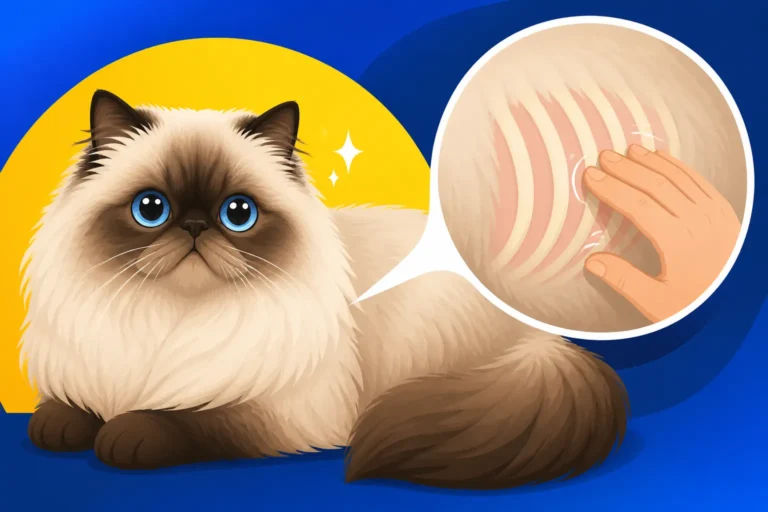
Reduce environmental irritants: Smoke, strong chemical odors from cleaning products, and even excessive dust can irritate an already sensitive airway. Consider using air purifiers and ensure good ventilation. Keep their stress levels low, as anxiety can trigger more rapid breathing and worsen their distress. Maintaining a consistent routine and a calm household environment is beneficial. Also, consider specialized feeding bowls: shallow, wide dishes or elevated feeders can make it easier for a flat-faced cat to eat without further obstructing their breathing while leaning down. Regular, gentle grooming is also paramount; mats can pull on their skin and cause discomfort, and a heavy, dirty coat can make them feel even hotter.
Collaborating with Your Veterinarian for Advanced Care
Your veterinarian is your most important ally in managing your senior Himalayan's breathing issues. Regular check-ups are non-negotiable, allowing your vet to monitor their respiratory health, assess the severity of their brachycephalic syndrome, and catch any compounding conditions like heart disease early. They can use tools like auscultation (listening to their lungs and heart) and observation of How a Vet Grades a Himalayan's Nostrils to guide care.
Your vet might recommend a range of treatments depending on the underlying cause and severity. This could include medications to reduce inflammation, open airways, or manage fluid retention if heart disease is present. For some cats, dietary changes to manage weight can alleviate pressure on the airway. In certain cases, surgical intervention might still be considered, even for older cats, if the vet believes it would significantly improve their quality of life and they are otherwise healthy enough for anesthesia. These procedures, such as widening the nostrils (nares) or shortening an elongated soft palate, can provide substantial relief.
Discussing a long-term care plan with your vet is crucial. This plan should include regular monitoring, appropriate medications, and strategies for managing acute episodes. It's also wise to have discussions about quality of life as they age, ensuring your beloved companion remains comfortable and pain-free. Given the potential need for ongoing medications, specialized diets, or even emergency visits, having pet insurance like Healthy Paws can provide immense peace of mind, allowing you to focus on your cat's health without the added stress of unexpected veterinary bills. Proactive care and financial preparedness go hand-in-hand in providing the best possible senior life for your cherished Himalayan.
Disclaimer
This article is for general informational purposes only and does not constitute professional advice. Laws, prices and regulations vary by location and change over time. Consult a qualified professional for guidance on your specific situation.