Why a Himalayan’s First Year Includes an Eye Clinic
Bringing home a Himalayan kitten is truly one of life's greatest joys. You've got this adorable fluffball with those incredible blue eyes, and you just want to give them the best start. But as you navigate those first few months, you might hear advice about an "eye clinic" visit in their first year, and it can feel a bit daunting. Don't worry, you're not alone in feeling a little overwhelmed. This isn't about finding fault, but about understanding the unique needs of your beautiful feline companion, especially when it comes to their precious peepers, and why that first-year ophthalmic exam is a critical step in ensuring they live a comfortable, healthy life.
The Unique Challenges of Himalayan Eye Anatomy
Let's be real, the Himalayan cat's distinctive face is a huge part of its charm. That sweet, round head and those big, expressive eyes just melt our hearts. But this very aesthetic, especially in the "Peke Face" variety, comes with certain anatomical realities that can make their eyes more vulnerable. It’s not just about looking cute; it's about understanding how their physical structure impacts their daily comfort and long-term health.
The 'Peke Face' and its Ocular Impact
If you've ever admired a show-quality Himalayan, you've likely seen the flattened, almost pushed-in face that's so characteristic. This is often referred to as a "Peke Face," drawing parallels to the Pekingese dog breed. While many adore this look, it profoundly affects their eyes. Unlike cats with more traditional muzzles, a Himalayan's eyes are more prominent and sit in shallower sockets. This means they are less protected by bone structure, making them more susceptible to dust, debris, and even minor bumps during playtime.
Imagine trying to navigate a room where your eyes are constantly exposed, with very little in the way of a protective brow or deep-set socket to shield them. That's a bit like what a Himalayan experiences. This shallow orbit can also affect how their eyelids fit, sometimes leading to issues where the eyelids don't quite cover the entire eye surface, or where tear ducts struggle to drain properly. It’s a fine line between a beautiful breed standard and potential functional challenges, a topic often discussed when comparing a Doll Face or Peke Face Is the Himalayan Buyer's Real Decision.
Entropion: The Inward-Rolling Eyelid
One of the more common and frustrating eye conditions we see in Himalayans, directly related to their facial structure, is entropion. This is where a portion of the eyelid, usually the lower one, rolls inward towards the eyeball. Think about how irritating it would be if your eyelashes were constantly scratching your eye. For a Himalayan with entropion, that's exactly what's happening. Their delicate cornea is continually irritated by their own eyelashes or the coarse hairs on the eyelid margin.
This constant rubbing can lead to a cascade of problems: chronic irritation, excessive tearing, redness, and in severe cases, painful corneal ulcers or scarring that can impair vision. It’s not just a minor annoyance; it can be genuinely painful and significantly impact their quality of life. Owners often first notice their cat squinting, pawing at their face, or having noticeably watery eyes. Early identification is key, because if left unaddressed, the damage can become permanent. Understanding What Entropion Does to a Himalayan's Blue Eye is vital for any owner.
Epiphora and Tear Staining
Ah, tear stains! If you own a Himalayan, you're probably intimately familiar with the reddish-brown streaks that can develop under their eyes, especially on lighter-colored coats. This isn't just a cosmetic issue; it's a symptom of epiphora, or excessive tearing. Because of their flattened faces, Himalayans often have tear ducts that are either partially blocked or simply can't handle the volume of tears effectively, causing them to spill over onto the fur. The natural bacteria and yeast that thrive in this damp environment then cause the reddish-brown discoloration.
While some tear staining is normal for the breed, a sudden increase or signs of irritation beneath the staining warrants attention. This constant dampness can also lead to skin irritation or even infections in the folds around the nose and eyes. It requires diligent daily cleaning, but sometimes the underlying anatomical issue needs veterinary intervention to improve tear drainage. It's particularly noticeable, and sometimes more of a challenge to manage, on a Why Tear Stains Are Worse on a Cream Bodied Himalayan.
Understanding Progressive Retinal Atrophy (PRA) in Himalayans
Beyond the anatomical issues related to their facial structure, Himalayans, like many purebred cats, can be predisposed to certain inherited eye conditions. One of the most significant of these is Progressive Retinal Atrophy (PRA), a condition that can gradually rob them of their sight. It's a sobering thought, but understanding it is crucial for responsible ownership.
The Genetic Link to the Persian Side
Progressive Retinal Atrophy (PRA) isn't something that pops up randomly due to diet or environment; it's an inherited genetic condition. In Himalayans, this particular vulnerability traces back to their Persian ancestry. It's passed down through specific genes, meaning that if a cat inherits certain gene copies from its parents, it will develop the condition. This highlights why responsible breeding practices, including genetic testing of breeding cats, are absolutely paramount.
Breeders who are dedicated to the health of their lines will test their breeding stock to ensure they are not carriers of the PRA gene. This helps to prevent the condition from being passed on to future generations of kittens. Without such testing, an owner might unwittingly adopt a kitten that is destined for blindness later in life. It's a clear example of how Retinal Atrophy Reached the Himalayan From the Persian Too.
The Progression and Symptoms of PRA
The word "progressive" in Progressive Retinal Atrophy tells you a lot about the condition: it gets worse over time. PRA typically involves the gradual degeneration of the photoreceptor cells in the retina (the rods and cones) that are responsible for detecting light. Initially, a cat might experience "night blindness," struggling to see in dim light, and you might notice them bumping into furniture more often after dusk. As the disease advances, their vision deteriorates further, eventually leading to complete blindness, often by five years of age or even younger.
Himalayans, being the adaptable and relatively sedentary cats they often are, can be surprisingly good at compensating for gradual vision loss, especially in a familiar environment. They rely heavily on their other senses – hearing, smell, and touch – to navigate. You might observe dilated pupils, even in bright light, as their eyes try to gather every last bit of available light. Sometimes, the change is so slow that owners don't notice it until the cat is almost fully blind. This adaptability means you might not even realize How Retinal Atrophy Blinds a Himalayan by Five until the condition is quite advanced. While diet isn't a cure for PRA, ensuring your cat gets high-quality, easily accessible food can support their overall health as they adapt.
Early Detection and Breeder Responsibility
Given PRA's genetic nature, early detection really hinges on the breeder's diligence. A responsible Himalayan breeder will have their breeding cats genetically tested for PRA, along with other inherited conditions like Polycystic Kidney Disease (PKD). They should be transparent about these test results and be able to provide clear documentation for both parents of your kitten. This significantly reduces the risk of your kitten developing PRA.
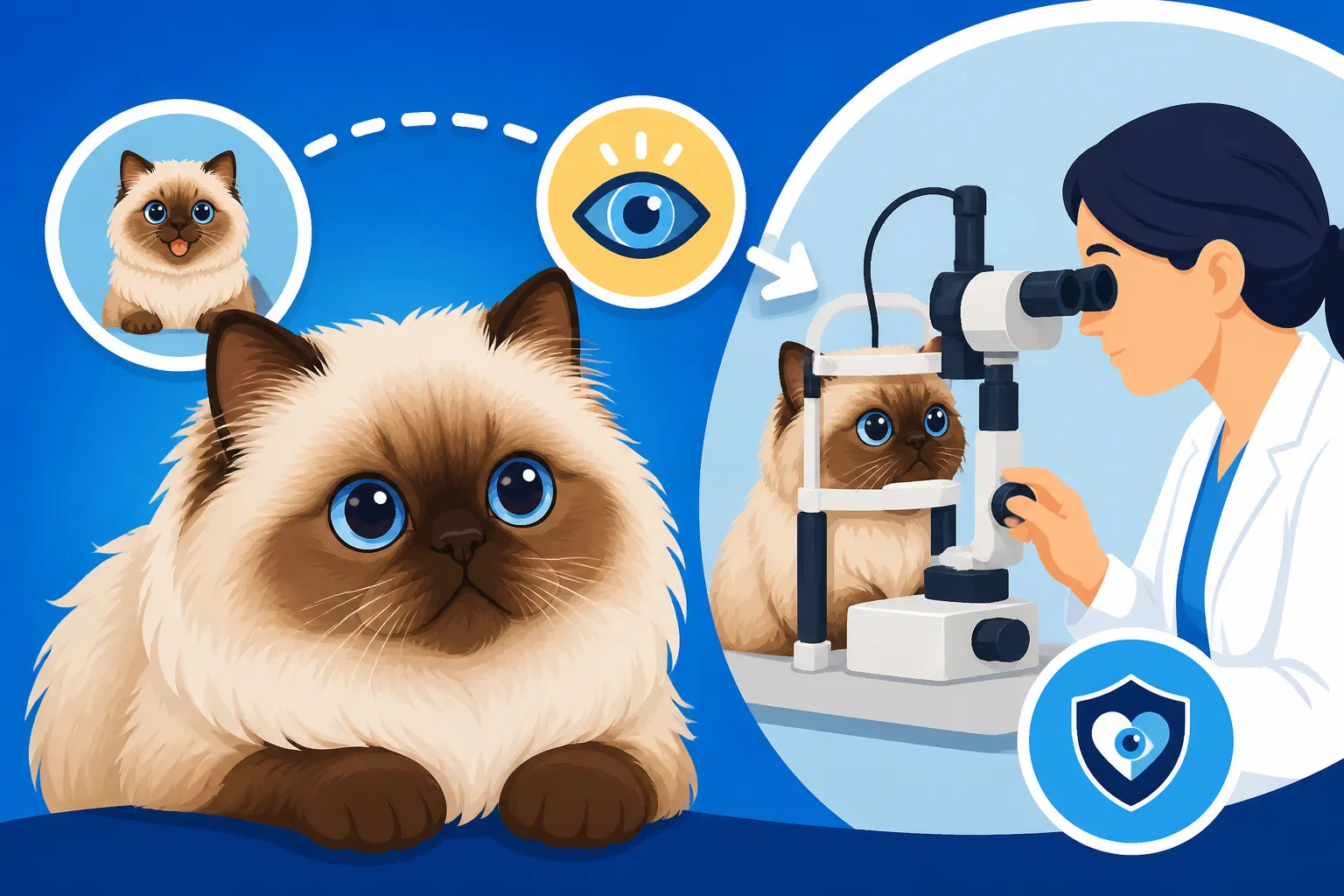
However, even with tested parents, a first-year ophthalmic exam is still invaluable. A vet can conduct a thorough eye examination to rule out any other concurrent eye issues and establish a baseline for your cat's eye health. They can also discuss with you what signs to look for if you ever suspect vision changes, giving you peace of mind and an action plan. It's part of the comprehensive approach, emphasizing Why a Himalayan Breeder Should Test Eyes as Well As Kidneys.
The Importance of a First-Year Ophthalmic Exam
You might be wondering if all these potential issues mean your Himalayan is just destined for a life of eye problems. Not at all! The beauty of understanding these predispositions is that it empowers us, as owners, to be proactive. That first-year eye clinic visit isn't about dreading bad news; it's about early detection, preventive care, and setting your cat up for the best possible eye health throughout their life.
Establishing a Baseline for Lifelong Care
Think of that first comprehensive ophthalmic exam as building a detailed map of your Himalayan's eye health. The veterinary ophthalmologist will perform a series of tests, including examining the eyelids, cornea, lens, and retina, checking tear production, and measuring intraocular pressure. All of these readings establish a unique "normal" for your specific cat.
Why is this important? Because every cat is an individual. What might be a subtle deviation for one Himalayan could be a significant change for another. Having this baseline data allows your vet, in subsequent annual check-ups, to quickly identify any changes, however minor, from their initial healthy state. This makes it much easier to catch issues early, before they become serious or difficult to treat, paving the way for consistent, informed lifelong care.
Catching Congenital Issues Early
Some eye conditions, while genetically programmed, may not be immediately obvious in a tiny kitten. For example, mild entropion might only become apparent as your kitten grows and their facial structure fully develops. Similarly, tear duct abnormalities might not cause significant staining until your kitten is a few months old and producing a full volume of tears. That first-year exam is perfectly timed to identify these congenital or early-onset issues.
Catching conditions like severe entropion or early signs of blocked tear ducts within that first year is incredibly beneficial. Early intervention can often prevent chronic pain, secondary infections, or the need for more complex and invasive procedures later on. For instance, a minor surgical correction for entropion in a young cat can save them years of discomfort and prevent irreversible corneal damage. Being prepared for unexpected specialist vet visits is also important, and pet insurance from providers like Healthy Paws can be a huge comfort, helping to cover these costs if an issue is detected early.
Guidance on Daily Eye Care Regimen
Let's face it, cleaning a flat-faced cat's eyes can feel like a bit of a mystery at first. You want to keep them clean, but you also don't want to cause any irritation or harm. This is where your vet or veterinary ophthalmologist becomes an invaluable resource during that first-year clinic visit. They can provide hands-on guidance, demonstrating the correct techniques for daily eye care.
They'll show you how to gently wipe around the eyes, clean the delicate folds of the face, and recommend specific, safe products like saline solutions or pet-specific eye wipes. They can also teach you what subtle signs to look for that might indicate an infection or worsening condition, empowering you to be your cat's first line of defense. This practical, personalized advice is priceless and forms the foundation of The Morning Face Routine Every Himalayan Needs. For daily essentials like appropriate eye wipes or even specialized low-dust litter that can reduce eye irritation, online retailers like Chewy offer a wide range of options to support your vet's recommendations.
Common Ocular Issues and Their Management
Even with the best preventative care and a thorough first-year exam, Himalayans can still encounter various eye issues. Knowing what to look for and how to react can make all the difference in managing these conditions effectively and maintaining your cat's comfort.
Corneal Ulcers and Injuries
Because of their prominent, somewhat exposed eyes, Himalayans are unfortunately more prone to corneal injuries and subsequent ulcers. A playful swat from another cat, a run-in with a sharp piece of furniture, or even a speck of dust that gets trapped can scratch the delicate surface of the cornea. When this scratch deepens, it becomes a corneal ulcer – essentially an open sore on the eye.
Symptoms of a corneal ulcer are usually quite noticeable and include severe squinting, excessive tearing, redness of the eye, cloudiness over the cornea, and your cat pawing at their face. This is not an issue that can wait; corneal ulcers can rapidly worsen and, if left untreated, can lead to permanent vision loss or even rupture of the eyeball. Always treat a suspected eye injury as an emergency, contacting your vet immediately. It's crucial to know What a Corneal Ulcer Looks Like on a Blue Eyed Himalayan so you can act swiftly.
Fungal or Bacterial Eye Infections
The persistent dampness caused by epiphora (excessive tearing) or the presence of deep facial folds can create a warm, moist environment that's perfect for bacteria and yeast to multiply. This can lead to frequent eye infections, which manifest as redness, swelling, discharge (often yellow or green), and discomfort.
Managing these infections typically involves topical antibiotic or antifungal drops or oint prescribed by your vet, along with continued diligent cleaning of the area. It's important to complete the full course of medication, even if symptoms improve quickly, to prevent recurrence. If you notice any discharge that's not clear or a sudden increase in redness or swelling, it’s time for a vet visit. Learning to differentiate Telling Ordinary Himalayan Tear Staining From an Infection is a key skill for any Himalayan owner.
Surgical Interventions for Severe Cases
While daily grooming, medication, and environmental management can resolve many Himalayan eye issues, some severe or chronic conditions may ultimately require surgical intervention. This isn't usually the first option, but it can be a life-changing solution for cats suffering from persistent discomfort or vision impairment.
For instance, severe cases of entropion that cause constant corneal irritation will often be corrected surgically. A veterinary ophthalmologist can perform a procedure to meticulously remove a small wedge of tissue from the eyelid, effectively "rolling" the lid back out to its normal position. Similarly, if blocked tear ducts are causing significant issues, procedures to flush or even surgically reconstruct the tear drainage system might be considered. While intimidating, these procedures are often straightforward and have high success rates, greatly improving the cat's comfort and long-term eye health. Understanding the options for Turning a Himalayan's Inward Rolled Eyelid Back Out can provide significant relief for your cat.
Long-Term Proactive Eye Health Strategies
Caring for a Himalayan's eyes isn't a one-time event; it's a commitment for their entire life. By integrating consistent practices into your daily routine and maintaining regular veterinary care, you can ensure their beautiful blue eyes remain as healthy and comfortable as possible.
The Daily Grooming Ritual for Eye Health
Consistency is truly your best friend when it comes to long-term Himalayan eye care. This means establishing a gentle, daily grooming ritual that focuses specifically on their facial area. Beyond simply wiping away visible tears, it involves a thorough yet delicate cleaning of the fur around the eyes and within any facial folds. Use clean, damp cotton balls or pet-specific eye wipes. Some vets might even recommend a gentle massage of the tear duct area to help with drainage, but only if instructed by your vet.
It's also about keeping the fur around their eyes trimmed short (carefully!) to prevent it from irritating the eye surface or wicking away tears onto the face, where staining and infection can occur. Regularly inspecting their eyes for any subtle changes—redness, discharge, squinting—becomes second nature. This dedicated effort is crucial for How to Keep a Cream Point Himalayan Looking Clean and comfortable.
Environmental Management and Diet
Your home environment and even your cat's diet can play a role in their eye health. For instance, using low-dust cat litter can significantly reduce the amount of irritants floating in the air that might settle on your Himalayan's prominent eyes. Regularly dusting and vacuuming also helps. Consider the design of their food and water bowls. Shallow, wide bowls are often better for flat-faced cats, as they prevent their whiskers from bending uncomfortably and help keep their faces cleaner while eating and drinking.
While there's no magic food to prevent all eye issues, some owners find that certain diets or supplements (always consult your vet first) can help reduce the severity of tear staining. Ensuring your cat has easy access to fresh water is also paramount for overall health, including hydration that supports tear film quality. Making small adjustments like choosing the right kind of bowl can make a big difference for a Which Bowl Shape a Flat Faced Himalayan Can Use.
Regular Veterinary Check-ups Beyond the First Year
Even if your Himalayan sails through their first-year eye clinic with flying colors and no significant issues are found, the journey of eye care doesn't end there. Annual veterinary check-ups are essential for monitoring their eye health as they age. Just like humans, cats can develop age-related eye conditions, and regular exams allow your vet to catch these changes early.
These routine visits allow your vet to perform comprehensive physical exams, including a detailed look at the eyes, to assess any subtle shifts in their baseline eye health. They can also screen for other systemic health issues that might manifest with eye symptoms, such as high blood pressure or diabetes. This proactive approach ensures that any emerging issues are addressed promptly, contributing to your Himalayan's overall well-being and helping to determine What a Himalayan's Yearly Bloods Should Cover After Eight.
Eye Health Issues in Himalayans: A Quick Guide
Here's a quick reference table for some of the common eye issues we've discussed:
| Issue | Description | Common Symptoms | When to See a Vet |
|---|---|---|---|
| Entropion | Eyelid (often lower) rolls inward, causing eyelashes/hairs to rub against the cornea. | Squinting, excessive clear tearing, redness, frequent pawing at eye, cloudy eye in severe cases. | Immediately, to prevent permanent corneal damage and alleviate pain. |
| Epiphora / Tear Staining | Excessive tear production or poor tear drainage, leading to tears overflowing onto facial fur, often causing reddish-brown stains due to bacteria/yeast. | Persistent wet fur below eyes, discoloration (rust/brown), sometimes skin irritation or odor in folds. | If persistent, suddenly increases, or is accompanied by signs of discomfort/infection. |
| Progressive Retinal Atrophy (PRA) | Inherited genetic condition causing gradual degeneration of the retina's photoreceptor cells, leading to vision loss. | Night blindness (clumsiness in dim light), dilated pupils even in bright light, reluctance to navigate unfamiliar spaces, eventual complete blindness. | If suspected (especially without clear genetic testing history from breeder) or if vision changes are noted. |
| Corneal Ulcer | An open sore or scratch on the surface of the eye, often caused by injury or chronic irritation (like entropion). | Severe squinting, eye pain, excessive tearing, redness, cloudiness of the cornea, discharge, sensitivity to light. | EMERGENCY! Immediate veterinary attention is critical to prevent worsening and permanent damage. |
| Eye Infection | Bacterial or fungal infection of the eye or surrounding tissues, often secondary to irritation or dampness. | Green/yellow discharge, redness, swelling, squinting, inflammation of conjunctiva (pink tissues). | Within 24 hours. Can worsen rapidly and cause significant discomfort. |
Remember, this table is for informational purposes. Always consult your veterinarian for an accurate diagnosis and treatment plan for your beloved Himalayan.
Disclaimer
This article is for general informational purposes only and does not constitute professional advice. Laws, prices and regulations vary by location and change over time. Consult a qualified professional for guidance on your specific situation.