How Soon a Himalayan Kitten Runs Out of Breath
It's quite common for new Himalayan kitten parents to feel a pang of worry when their adorable furball, mid-pounce or chase, suddenly slows down, opens its mouth, and seems to be gasping for air. This guide is here to walk you through understanding why your Himalayan kitten might appear to run out of breath quickly, how to differentiate normal kitten behavior from genuine concern, and what practical steps you can take to ensure your little one stays happy and healthy.
The Unique Physiology of a Himalayan Kitten
Understanding a Himalayan kitten's unique physiology is crucial when observing their breathing and play habits. These beautiful cats are a blend of the sturdy Persian and the vocal, athletic Siamese, and they inherit traits from both, with a strong emphasis on their Persian lineage for their physical structure. This heritage significantly impacts how they breathe and exert themselves.
The Impact of a Shortened Muzzle
One of the most defining features of a Himalayan is their brachycephalic, or "flat," face, a trait inherited from their Persian ancestors. While irresistibly cute, this anatomical characteristic means their airways are often shorter and sometimes narrower than those of a cat with a more traditional, longer muzzle. Think of it this way: a cat with a long nose has a straightforward, open pathway for air to travel to its lungs. For a Himalayan, that pathway is often compressed, convoluted, and can even have extra folds of tissue that obstruct the flow of air. This isn't just about their cute little nose leather; it extends to their nostrils, nasal passages, and even the soft palate at the back of their throat.
This unique facial structure means that even light exercise can require more effort to move the same amount of air that a longer-nosed cat would manage effortlessly. Imagine trying to breathe deeply through a perpetually stuffy nose; that's a bit like what some Himalayans experience. Because of this, they might appear to "run out of breath" faster simply because their respiratory system is working harder under normal conditions. It's not always a sign of distress, but rather a reflection of their physical build. You'll often hear them snoring, which is another common indicator of these compressed airways, a trait that makes them Why a Himalayan Snores Louder Than Its Siamese Ancestors.
Energy Levels: Persian Calm Meets Siamese Spark
Himalayan kittens are usually more playful and active than their generally placid Persian cousins, thanks to that splash of Siamese ancestry. They love to pounce, chase toys, and explore their environment with a curious, albeit usually gentle, enthusiasm. However, they don't possess the same boundless energy reserves or the elongated, lean body structure that allows a purebred Siamese to sustain high-intensity play for extended periods.
A Himalayan kitten's cobby, stocky build and that dense, long coat, even as a youngster, mean they can overheat more easily. This combination of a less efficient respiratory system and a tendency to warm up quickly means their play sessions are naturally shorter and interspersed with more frequent rest breaks. It's a balancing act: they have the desire to play, but their physical form encourages moderation. If you've ever watched a Siamese race around the house like a furry missile, you'll notice a marked difference in the Himalayan's more sedate, though still joyful, bursts of activity. When a Himalayan's playful spirit pushes its physical limits, they will naturally slow down to catch their breath.
Recognizing Normal vs. Concerning Breathlessness
It's natural to be concerned when your tiny Himalayan kitten seems to be breathing heavily after just a few minutes of play. However, not all heavy breathing or panting is a red flag. Knowing what to look for can help you decide whether your kitten is simply taking a necessary break or if it's time to call the vet.
Typical Kitten Play Behavior
A healthy Himalayan kitten, despite its unique respiratory challenges, will still engage in enthusiastic bursts of play. You'll see them stalking a toy, pouncing with all their adorable might, or wrestling playfully with a littermate. During these moments, it's absolutely normal for their breathing to become more noticeable. Their sides will heave a bit faster, and you might hear slightly louder breaths. They might even engage in a bit of open-mouth breathing for a very short period – a few seconds, perhaps – especially if they've just had an intense chase. This is their way of rapidly cooling down and taking in more oxygen.
After a vigorous play session, a normal kitten will typically seek out a cool spot, maybe flop down on a tile floor or in a shady corner, and rest. Their breathing should quickly return to normal, settling into a calm, quiet rhythm within a few minutes. Their gums should remain a healthy pink color, and they should seem relaxed and attentive to their surroundings, even if they're still a bit tired. This pattern of short bursts of play followed by quick recovery is very characteristic of a Himalayan kitten. It's important to When to End a Himalayan's Play Session before they overexert themselves too much.
Signs That Warrant a Vet Visit
While some panting is normal, there are definite signs that indicate your Himalayan kitten is truly struggling and needs veterinary attention. These aren't just subtle cues; they are typically quite clear indicators of distress.
One of the most concerning signs is persistent open-mouth breathing or panting that doesn't resolve quickly after resting. If your kitten continues to pant for more than a few minutes, even after they've settled down, or if their breathing seems labored and shallow rather than just fast, that's a cause for immediate concern. You might notice their chest and abdomen moving excessively, or they might seem to be stretching their neck out awkwardly to try and get more air. This could be a sign that When a Himalayan's Open Mouth Breathing Needs a Vet is required.
Another critical indicator is a change in the color of their gums or tongue. Healthy kitten gums are a vibrant, bubblegum pink. If they appear pale, bluish, or even purplish, this signifies a lack of oxygen and is an emergency. Likewise, if your kitten seems weak, disoriented, or collapses during or after play, do not wait. Other red flags include a foamy discharge from the mouth, harsh raspy breathing sounds even at rest, or a persistent cough. These symptoms could point to a range of issues, from upper airway obstruction (common in brachycephalic breeds) to cardiac problems or even severe overheating, something Himalayans are particularly prone to because Why a Himalayan Overheats Twice as Fast as a Siamese.
It's always better to be safe than sorry, especially with kittens. If you're ever unsure, a quick call to your veterinarian is the best course of action. They can advise you over the phone or recommend bringing your kitten in for an examination.
Managing Play and Activity for Your Himalayan Kitten
Since your Himalayan kitten's unique physiology means they have different needs during play, managing their activity levels wisely is key to their health and happiness. You want them to enjoy being a kitten, but safely.
Setting Appropriate Play Boundaries
The most important thing is to manage the intensity and duration of play sessions. Instead of long, sustained periods of high-energy activity, aim for shorter, more frequent playtimes. Think of it as several "sprint" sessions throughout the day, each lasting about 5-10 minutes, followed by a good 15-20 minute break. During these breaks, encourage your kitten to relax in a cool, quiet spot.
Interactive wand toys can be fantastic for engagement, but be mindful of how hard your kitten is working. Avoid games that require prolonged running, jumping, or chasing that might push them too hard. Toys that allow them to stalk and pounce from a stationary position, like a laser pointer (used carefully to avoid frustration) or small, crinkly balls they can bat around, might be better choices for lower-impact fun. You'll quickly learn The Signal a Himalayan Gives Before It Overheats.
It's also essential to observe your kitten's breathing and body language constantly. If you see them starting to pant heavily, stretching their neck out, or lying down and showing disinterest, it's time to end the play session. Don't push them to play longer just because you think they should; they know their limits best. For puzzle feeders, choose ones that are wide and shallow, allowing your kitten to access the food easily without bending their neck or pushing their flat face into a deep compartment. You can find many suitable options on platforms like Amazon.
Creating a Comfortable Environment
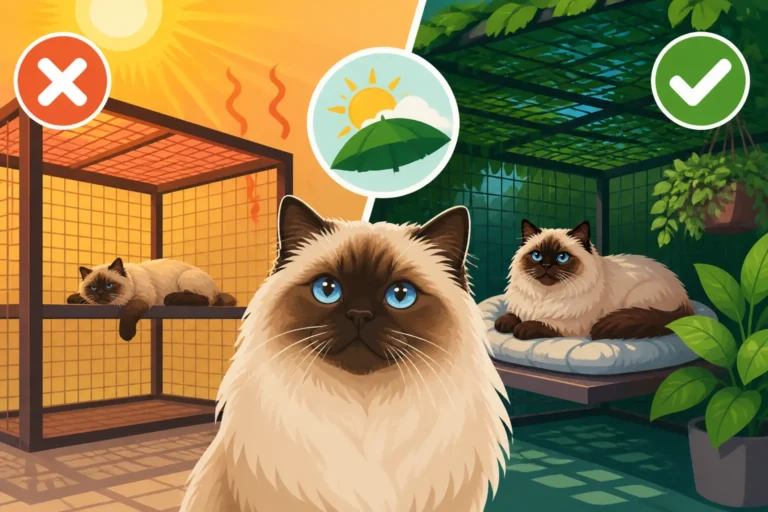
Maintaining a cool and calm environment is paramount for a Himalayan kitten. Their dense, long coat means they are naturally predisposed to overheating, regardless of their age. During warmer months, ensure your home is well-ventilated and kept at a comfortable temperature. Air conditioning, fans, or simply keeping curtains drawn on sunny windows can make a huge difference. Avoid letting your kitten play outside during the hottest parts of the day, as The Temperature a Himalayan Starts to Struggle At is often lower than you'd expect for other breeds.
Provide plenty of access to fresh, cool water in wide, shallow bowls that are easy for their flat face to drink from without soaking their ruff. Consider placing several water stations around the house. Some owners even use pet-safe cooling mats or damp towels in their kitten's favorite resting spots. These items, readily available through retailers like Amazon, can provide a much-needed cool-down surface.
Ensure their sleeping and resting areas are away from direct sunlight, heating vents, or busy, noisy areas of the house where they might feel stressed or overstimulated. A stress-free environment helps keep their respiratory rate calm. Remember, your Himalayan kitten can't efficiently cool itself by panting the way a dog can, and their coat acts like a little personal blanket, making them more susceptible to heat build-up. For more tips on keeping them cool, read How to Cool a Long Coated Himalayan in Summer.
Regular Vet Check-ups and Early Intervention
Regular veterinary check-ups are vital, especially during kittenhood. Your vet can assess your kitten's overall health, including their respiratory system. During the initial kitten exams, the vet will pay close attention to their breathing sounds, examine their nostrils, and check their soft palate. This early assessment is crucial for identifying any potential anatomical issues related to their brachycephalic face. It's why Why a Himalayan Kitten's First Exam Includes Its Palate is so important.
Your vet can grade your kitten's nostrils – determining if they are adequately open or if they are stenotic (narrowed), which can significantly impact breathing. They can also listen for any abnormal sounds in their lungs and heart. Don't hesitate to ask your vet about What a Well Built Himalayan's Breathing Sounds Like versus what might be a cause for concern.
If your vet identifies any potential issues, such as severely narrowed nostrils or an elongated soft palate, they may discuss monitoring options or even surgical interventions down the line, if necessary, to improve your kitten's breathing. Early detection and intervention can significantly improve your Himalayan kitten's quality of life and prevent more serious problems as they age. Be open with your vet about any observations you've made regarding your kitten's breathing during play or at rest.
When to Consult Your Vet
Knowing when to transition from careful observation to seeking professional help is a critical part of being a responsible Himalayan parent. While some heavy breathing during play is normal, certain signs should never be ignored.
Recognizing Emergency Situations
There are clear indicators that your Himalayan kitten is in distress and requires immediate veterinary attention. As mentioned before, persistent open-mouth breathing, especially if it doesn't resolve within a few minutes of rest, is a major red flag. If your kitten's breathing appears labored, shallow, or if you notice exaggerated movements of their chest and abdomen with each breath, it's an emergency.
Changes in gum or tongue color are perhaps the most urgent signs. Any pallor, blueness, or purplish tint means your kitten isn't getting enough oxygen and needs veterinary care right away. Weakness, lethargy, disorientation, or collapse also fall into this category. If you observe any of these symptoms, do not wait; contact your emergency veterinarian immediately. This isn't something that can wait until regular business hours. Be prepared to describe what you've seen clearly and follow their instructions.
Preparing for a Vet Visit
When you need to take your kitten to the vet for a breathing concern, being prepared can help the vet diagnose the issue more quickly and accurately. Start by making a list of your observations. This includes:
- When did the symptoms start? Was it sudden or gradual?
- What was your kitten doing when it happened? Playing, sleeping, eating?
- How long do the episodes last?
- What does their breathing sound like? Any wheezing, gasping, or snoring?
- Any changes in gum color?
- Any other symptoms? Coughing, sneezing, changes in appetite or litter box habits?
- What is your kitten's usual activity level?
You might also consider taking a short video of your kitten's breathing or panting episodes if they happen frequently. This can be incredibly helpful for the vet to visualize what you're describing, especially since stress at the clinic can sometimes mask symptoms.
When transporting your kitten, ensure they have a well-ventilated carrier. Given their brachycephalic nature, proper airflow is crucial, even for a short trip. A soft, familiar blanket inside can help keep them calm. If it's a hot day, ensure your car is cooled down before placing them inside, and avoid leaving them unattended in the vehicle, even for a moment. This attention to detail reflects how serious a Himalayan's breathing can be, underlining why Why a Himalayan's Anesthetic Needs a Longer Recovery is a topic frequently discussed in veterinary circles.
Your vet will likely perform a thorough physical exam, listen to their heart and lungs, and may recommend further diagnostics such as X-rays, blood tests, or specialized imaging to get a clearer picture of their respiratory and cardiac health. They might also check How a Vet Grades a Himalayan's Nostrils or evaluate their soft palate more closely.
It's a lot to take in, but remember, every cat is an individual, and your Himalayan kitten's specific needs might vary. By being attentive, proactive, and working closely with your veterinarian, you can ensure your adorable companion breathes easy and lives a long, happy life by your side.
| Observation Area | Normal Himalayan Kitten Behavior | Concerning Himalayan Kitten Behavior | Action Needed |
|---|---|---|---|
| Breathing Rate | Fast during play, slows quickly to normal within minutes of rest. | Persistently fast even at rest; labored or shallow breathing. | Vet visit immediately |
| Open-Mouth Breathing | Brief, occasional panting (seconds) after intense play. | Continuous panting, stretching neck to breathe, unable to settle. | Emergency Vet |
| Gum/Tongue Color | Healthy pink, bright and vibrant. | Pale, bluish, or purplish gums/tongue. | EMERGENCY VET IMMEDIATELY |
| Activity Level | Energetic bursts of play, followed by rest and quick recovery. | Weakness, lethargy, disorientation, or collapse during/after play. | Emergency Vet |
| Sounds | Quiet breathing at rest; mild panting sounds during exertion. | Harsh, raspy sounds, wheezing, persistent coughing, gurgling. | Vet visit soon (urgent if severe) |
| Nose Fold | Clear, dry, minimal tear staining. | Damp, red, irritated, or foul-smelling skin in the nose fold. | Vet visit |
| Appetite | Eating well, consistent interest in food. | Decreased appetite, difficulty eating, dropping food. | Vet visit |
Disclaimer
This article is for general informational purposes only and does not constitute professional advice. Laws, prices and regulations vary by location and change over time. Consult a qualified professional for guidance on your specific situation.