How Few Calories a Himalayan Burns Sitting in One Chair
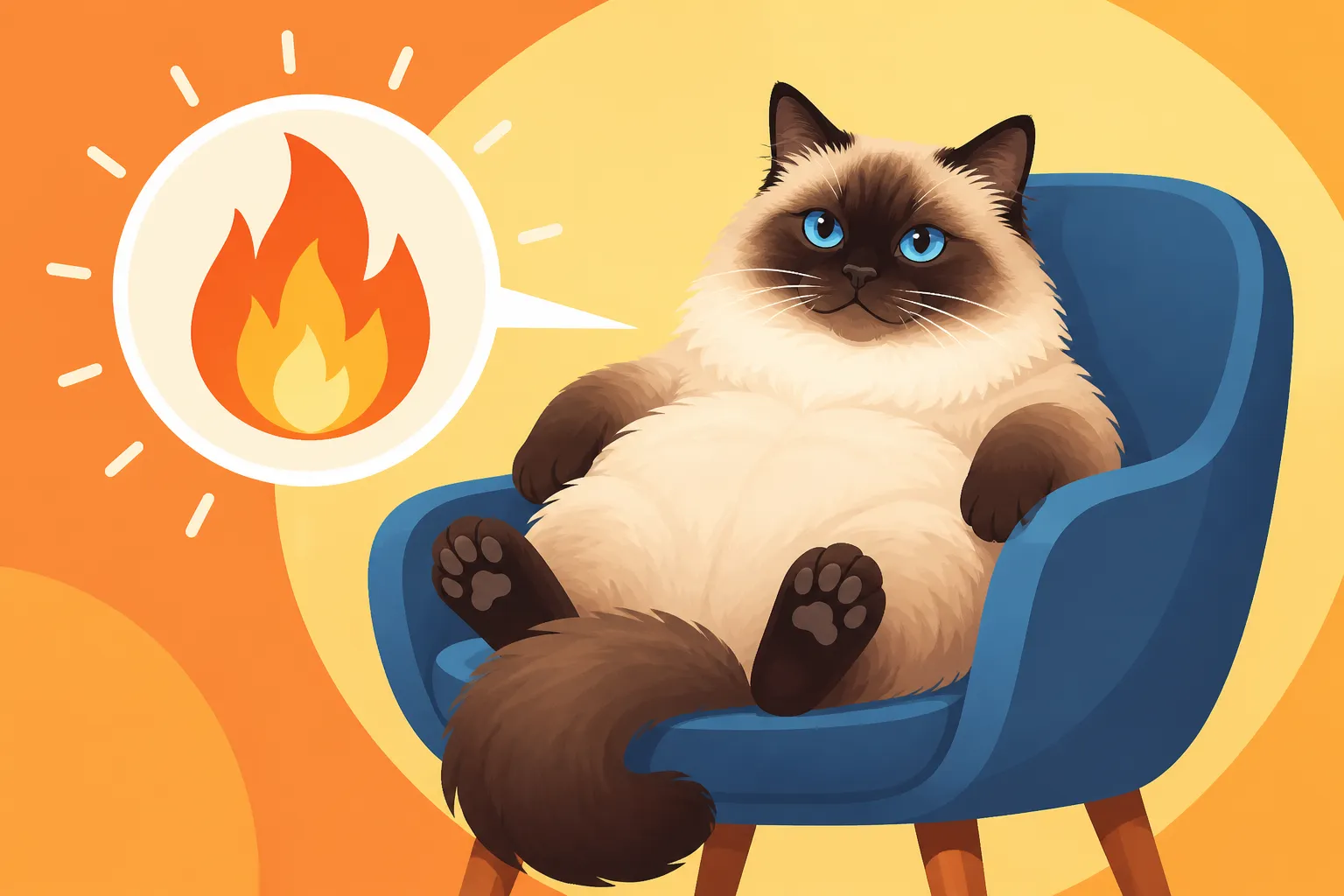
It's a common sight in many homes: a cat that zooms from one end of the house to the other, scaling furniture, and generally being a furry blur of motion. But if you're a Himalayan cat parent, you know that isn't quite the picture of your furbaby. Our beloved Himis are more like elegant, fluffy throw pillows that occasionally decide to glide majestically from one sunbeam to another. This laid-back lifestyle, while utterly charming, means they burn significantly fewer calories than their more athletic feline cousins, which makes understanding their dietary needs absolutely crucial for their long-term health. This guide is dedicated to helping you unravel why your Himalayan is such a couch potato and how to manage their diet to keep them healthy and happy, right there in their favorite chair.
The Himalayan's Sedentary Nature: A Deep Dive
Let's face it, our Himalayans aren't exactly known for their Olympic-level athleticism. They are the epitome of calm elegance, often found presiding over their chosen lounge spot with regal dignity. This isn't laziness; it's simply their nature, shaped by generations of breeding and their unique physical characteristics. Understanding this fundamental aspect of their personality is the first step in truly tailoring their care, especially when it comes to their dietary needs.
Inherited Traits and Lifestyle
The Himalayan cat's calm and composed temperament is largely inherited from their Persian lineage. While they certainly have a splash of Siamese vivacity in their genetic makeup, which gives them their distinctive voice and a spark of playful curiosity, the dominant influence on their energy levels leans heavily towards the tranquil Persian. This means they often prefer a quiet, predictable routine centered around comfort and companionship rather than boisterous activity. You'll find them contentedly napping, observing their surroundings from a prime vantage point (usually a soft cushion), or engaging in a gentle purring session on your lap.
This preference for a serene lifestyle translates directly into fewer calories burned throughout the day. Unlike breeds that constantly patrol their territory, chase imaginary prey, or engage in elaborate parkour routines across your bookshelves, a Himalayan’s typical day involves much more restful contemplation. They are, without a doubt, a lap cat that answers back, but that answering back usually doesn't involve breaking a sweat. If you've ever observed your Himmy, you'll notice their movements are deliberate, graceful, and often quite slow, which is utterly adorable but not exactly a high-intensity workout.
Why Activity Levels Differ from Other Breeds
Beyond their inherited temperament, the Himalayan's physical build itself contributes significantly to their lower activity levels. They possess a cobby body—a stocky, compact build with short, thick legs—and are adorned with a magnificent, dense double coat. This combination simply isn't engineered for sustained, high-energy exploits. Imagine trying to run a marathon in a heavy fur coat and short legs; it's just not practical! Their deep chests and substantial bone structure, while beautiful in the show ring, mean they carry more weight efficiently, but not for agility.
Furthermore, the very feature that makes Himalayans so endearing—their beautiful flat face, known as brachycephaly—can also impact their ability to exert themselves. This unique facial structure means they can struggle with efficient breathing, especially during periods of increased physical activity. Even short bursts of enthusiastic play can sometimes lead to panting and overheating, which is a clear signal that they need to cool down. This inherent physical limitation naturally discourages prolonged periods of strenuous exercise. Consequently, they often opt for brief, intense bursts of playful swatting or a quick dash before returning to their preferred state of peaceful repose. This makes them wonderfully low-maintenance companions, but it also means we, as their caregivers, need to be extra vigilant about their caloric intake.
Understanding Calorie Needs: More Than Just the Bowl
When it comes to feeding our fluffy friends, it's easy to fall into the trap of pouring a scoop of kibble and calling it good. However, for a Himalayan, whose energy expenditure is naturally lower, understanding their specific caloric needs is paramount. It’s not just about what’s in the bowl, but how much their unique physiology and lifestyle truly demand.
Basal Metabolic Rate and the Cobby Build
Every living creature has a basal metabolic rate (BMR), which is the number of calories their body needs just to perform basic, life-sustaining functions at rest, such as breathing, circulation, and maintaining body temperature. Think of it as the minimum energy requirement to simply exist. For an active cat, a higher BMR means they burn more calories even when sleeping. For our Himalayans, their cobby, compact build, while sturdy and robust, often means a comparatively lower BMR than a lean, athletic breed. Their bodies are designed for comfort, not for high-octane performance. They don't have the same lean muscle mass as, say, a Siamese or an Abyssinian, which naturally requires more energy to maintain.
This means that even if your Himalayan just sits in one chair all day, their body isn't burning through calories at a rapid pace. Their Persian ancestry gives them this delightful, relaxed disposition and a body shape that perfectly complements a life of luxurious lounging. It’s essential to recognize that what might be a perfectly reasonable portion for a more active cat could be excessive for a Himalayan, quickly leading to an unwelcome accumulation of extra pounds if their daily intake isn’t carefully managed to match their significantly lower energy output.
Factors Influencing Calorie Expenditure
While a Himalayan's BMR is generally lower, several other factors also play a role in their overall daily caloric needs:
- Age: Kittens are growing rapidly and are naturally more playful, so they require more calories. As Himalayans mature, their caloric needs typically decrease, especially once they are fully grown around 1-2 years old. Senior Himalayans, while perhaps even more sedentary, might have specific dietary needs due to changes in metabolism or health conditions, but generally, their pure energy expenditure remains low.
- Neutered/Spayed Status: This is a big one. Neutering or spaying a cat significantly reduces their metabolic rate, meaning they need fewer calories to maintain their weight. If your Himalayan has been spayed or neutered (which most indoor companion cats are), you absolutely need to adjust their food intake downwards to prevent weight gain.
- Indoor-Only Lifestyle: Our Himalayans are strictly indoor cats, and for good reason—their long coats and brachycephalic faces make them vulnerable outdoors. Being indoors means they don't expend energy hunting, defending territory, or navigating varied terrain. Their world is often confined to your home, where everything is predictable and easily accessible, further reducing their energy output. Why a Himalayan Only Reaches Fifteen Indoors
- Environmental Temperature: Cats burn calories to regulate their body temperature. If your home is kept at a comfortable, consistent temperature, your Himalayan expends very little energy staying warm or cooling down. A Himmy in a cold house, for example, might need slightly more calories just to stay cozy, as their body works harder to maintain core temperature, which can even affect their point colors.
Considering all these factors, it becomes clear that "one size fits all" feeding advice simply doesn't apply to our unique Himalayans. Their daily calorie count needs to be consciously recalibrated to their quiet, indoor, fixed, and flat-faced reality.
| Factor | Impact on Calorie Needs (Himalayan Specific) |
|---|---|
| Activity Level | Very Low (sedentary, prefers lounging) |
| Breed Build (Cobby) | Lower BMR compared to lean breeds, less muscle mass |
| Brachycephalic Face | Limits strenuous activity, risk of overheating |
| Age (Adult/Senior) | Decreased needs after maturity, further reduction in old age |
| Neutered/Spayed Status | Significantly reduced metabolic rate |
| Indoor-Only Lifestyle | No energy expenditure for hunting, defending territory, or outdoor exploration |
| Coat Density | Retains heat, less energy needed for warmth, but requires more water to cool |
The Risks of Overfeeding a Laid-Back Himalayan
It's tempting to show our love with an extra treat or a perpetually full food bowl, especially when our Himis look up at us with those soulful blue eyes. However, for a breed that naturally burns so few calories, overfeeding is an extremely common pitfall, and the consequences for their health can be significant, especially considering their unique physical characteristics.
Weight Gain and its Health Implications
Just like in humans, excess weight in cats can lead to a cascade of health problems. For a Himalayan, whose life trajectory often includes The Nine to Fifteen Years a Himalayan Usually Gets, maintaining a healthy weight is key to reaching the higher end of that spectrum comfortably. Obese Himalayans are at a much higher risk for:
- Joint Issues: Their cobby build already puts some strain on their short legs and spine. Adding extra weight exacerbates this, leading to conditions like arthritis, making it painful for them to even jump onto their favorite low sofa. An overweight Himmy might stop jumping altogether, preferring to use steps or even struggling to get onto higher surfaces. How Arthritis Shows in a Himalayan That Never Jumped
- Diabetes Mellitus: Obesity is a leading risk factor for developing diabetes in cats, a condition that requires lifelong insulin injections and strict dietary management.
- Heart Strain: Carrying extra weight puts additional stress on the heart and circulatory system, potentially worsening existing heart conditions or precipitating new ones. While HCM (Hypertrophic Cardiomyopathy) is something to watch for in many purebreds, unnecessary strain from obesity doesn't help. Whether HCM Reaches the Himalayan From Either Side
- Urinary Tract Problems: Overweight cats can be more prone to urinary tract infections and bladder stones due to reduced mobility and hygiene.
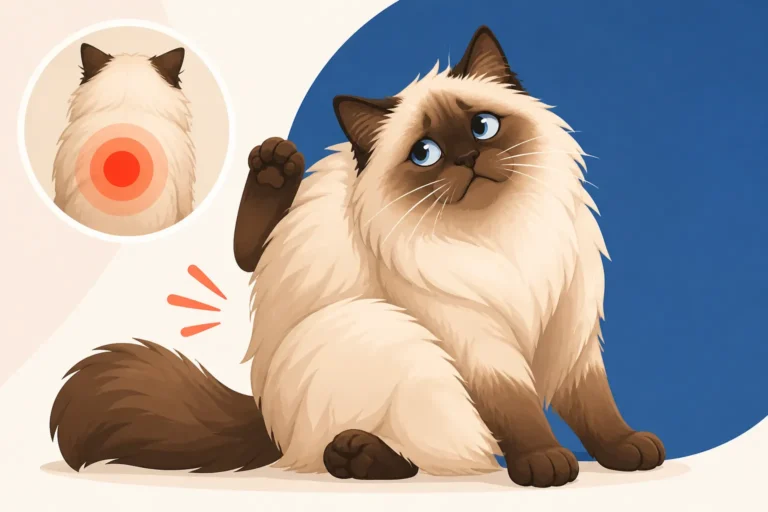
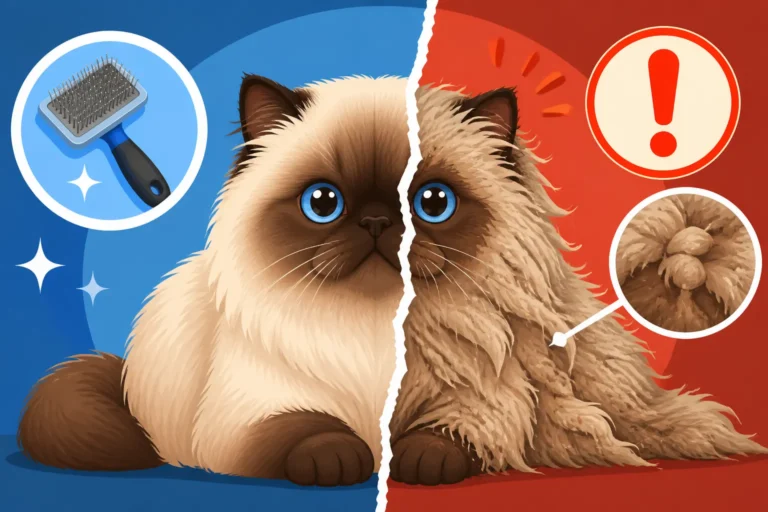
- Reduced Grooming: A Himmy with a round belly and stiff joints will struggle immensely to groom their luxuriant coat, particularly their britches and back. This leads to matting, which can cause skin infections, discomfort, and often requires professional grooming or even sedation for shaving. Why a Heavy Himalayan Stops Grooming Its Points
These issues don't just reduce their lifespan; they drastically diminish their quality of life, making their golden years far less comfortable than they should be.
Specific Challenges for the Flat-Faced Breed
For our flat-faced Himalayans, obesity presents an even greater set of challenges, compounding the unique health considerations associated with their brachycephalic features.
- Worsened Breathing Problems: The already compressed airways of a flat-faced cat mean they are predisposed to Brachycephalic Obstructive Airway Syndrome (BOAS). Extra weight around the chest and neck adds pressure to these compromised airways, making breathing even more difficult. An overweight Himalayan will snore louder, pant more frequently even with minimal exertion, and can experience more significant respiratory distress, especially in warm weather. Why a Himalayan Snores Louder Than Its Siamese Ancestors
- Increased Skin Fold Issues: Himalayans often have prominent nose folds. When they gain weight, these folds can become deeper and more pronounced, trapping moisture, debris, and bacteria. This creates an ideal environment for skin fold dermatitis, leading to inflammation, infection, and discomfort. Owners of Why Tear Stains Are Worse on a Cream Bodied Himalayan know that careful daily cleaning is already essential, and weight gain makes this task even more challenging.
- Compromised Mobility and Hygiene: An obese Himmy will find it incredibly difficult to navigate the litter box, especially if it has high sides. They may struggle to squat properly, leading to accidents outside the box or getting litter and waste caught in their voluminous britches, further exacerbating hygiene problems and potentially causing matting and skin irritation. Why Litter Ends Up in a Himalayan's Britches This reduced mobility also means they'll be even less inclined to play or move, creating a vicious cycle of inactivity and weight gain.
Addressing and preventing obesity in Himalayans is not just about aesthetics; it's a critical component of ensuring their long-term health and comfort, directly impacting their ability to breathe, move, and care for themselves.
Tailoring a Himalayan's Diet for Optimal Health
Given their propensity for a relaxed lifestyle and the health implications of excess weight, tailoring your Himalayan's diet isn't just a suggestion—it's a necessity. This involves thoughtful choices about what you feed them, how much, and even the type of dishes they eat from.
Choosing the Right Food Type and Portions
When selecting food for your Himalayan, focus on high-quality, protein-rich options. Cats are obligate carnivores, meaning their bodies are designed to derive nutrients from animal protein. Look for foods where meat is the first ingredient, avoiding excessive fillers like corn or soy, which offer little nutritional value and can contribute to weight gain.
Many Himalayan owners find success with wet food. Wet food typically has higher moisture content, which can help with hydration (especially important for breeds prone to kidney issues from their Persian side, like PKD1 Came Down the Persian Side of a Himalayan) and can also help your cat feel fuller on fewer calories. The aroma of wet food can also be more appealing to some cats, encouraging them to eat properly rather than grazing on dry kibble all day. If you choose dry kibble, ensure it's a high-quality, species-appropriate formula. For portion control, free-feeding is generally not recommended for Himalayans due to their low activity levels. Instead, measure out precise portions for two fixed meals a day. Your vet can help you determine the ideal calorie count for your individual cat based on their age, weight, and activity level. Some owners even explore fresh food options, which can provide pre-portioned, high-quality meals tailored to a cat's specific needs, ensuring they get the right balance without overfeeding.
Remember, every calorie counts for a Himalayan. What may seem like a tiny extra snack can quickly add up for a cat who is quite content to spend most of their day napping. Consistency in measuring and feeding is your best tool against inadvertent weight creep.
Feeding Strategies and Bowl Considerations
How you feed your Himalayan is almost as important as what you feed them. Given their flat faces, special consideration needs to be given to their feeding equipment to ensure they can eat comfortably and efficiently, avoiding frustration or a mess.
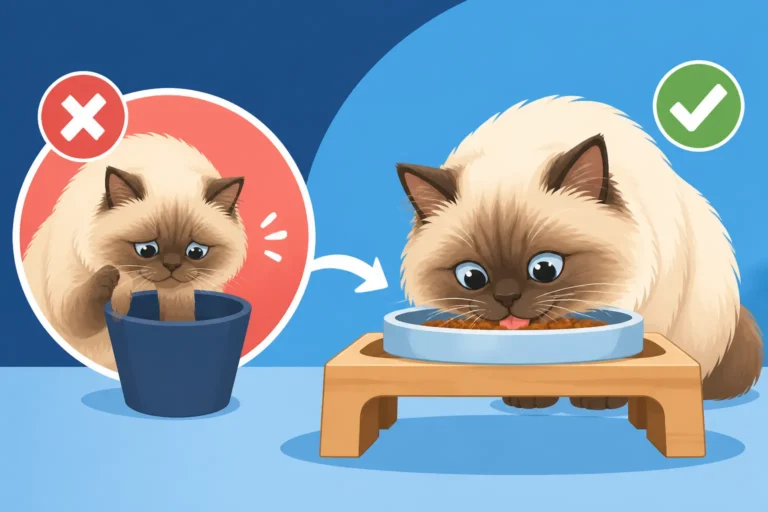
Consider using elevated, wide, shallow bowls or saucers. Standard deep cat bowls can be problematic for a brachycephalic cat, forcing them to push their face too far into the bowl and making it difficult to scoop up food without bending their sensitive whiskers. This can lead to what's known as "whisker fatigue" or simply make eating an uncomfortable experience. A wide, shallow dish allows them to access their food more easily without pressing their face or whiskers against the sides. Many excellent options for these types of bowls can be found readily available through retailers like Amazon. Some Himalayans even find eating from a plate more comfortable than a bowl.
If your Himalayan tends to eat too quickly, a slow feeder designed for flat-faced breeds can be a great investment. These feeders have ridges or compartments that make the cat work a little harder to get their food, slowing down ingestion and making mealtime a bit more mentally stimulating. However, be cautious and choose designs that don't overly frustrate their flat face. Beyond the physical act of eating, establish a consistent feeding schedule. Himalayans, being creatures of habit, thrive on routine. Feeding them at the same times each day can help regulate their metabolism and manage their hunger cues, preventing them from begging or feeling anxious about when their next meal will arrive. This consistent approach to mealtime contributes significantly to both their physical and emotional well-being.
Incorporating Gentle Activity and Enrichment
Just because Himalayans aren't high-energy athletes doesn't mean they don't need activity and mental stimulation. In fact, gentle engagement is crucial for their physical health, emotional well-being, and calorie expenditure, even if it's just a few extra calories here and there. The key is to understand their style of play and enrichment.
Low-Impact Play for the Lounge Cat
Forget about intense fetch sessions or climbing cat trees to the ceiling; that's just not a Himmy's scene. Their play style is often characterized by short bursts of focused attention, followed by a quick retreat to a comfortable resting position. Think "pounce and nap." The goal is to encourage movement without overexertion or overheating.
Wand toys with feathers or soft lures are excellent choices. These allow you to control the movement, mimicking prey without requiring your cat to run wild. You can entice them to bat, stalk, and pounce from a seated position or with minimal walking. Which Wand Toys a Himalayan Can Actually Follow A laser pointer can also be engaging, but always remember to end the session by directing the beam onto a physical toy or treat that they can "catch" to prevent frustration. Keep play sessions short, typically around 5 to 10 minutes, and watch for any signs of panting or labored breathing, which indicate it’s time to stop and rest. When to End a Himalayan's Play Session Even a gentle roll onto their back for some belly rubs can count as interaction and mild activity for these serene felines. The aim is consistent, gentle engagement rather than intense, infrequent workouts.
Mental Stimulation Beyond Physical Exertion
Physical activity might be limited, but mental stimulation is just as important for a Himalayan's overall health, preventing boredom that can sometimes lead to lethargy or even overeating. Their keen observation skills, inherited from their Siamese side, mean they are often highly engaged simply by watching the world go by.
Puzzle feeders, specifically designed for flat-faced cats, are fantastic for combining mental stimulation with mealtime. These can make them "work" for their kibble or treats, slowing down consumption and engaging their minds. Look for puzzle feeders with wide, shallow indentations or trays rather than deep crevices that their flat faces can't access comfortably. Window perches are another excellent form of passive enrichment. A comfortable perch with a view of birds, squirrels, or neighborhood activity can provide hours of entertainment and mental engagement, even if they never leave their spot. You might also introduce new scents (like catnip, if they respond to it), rotating toys to keep things fresh, or simply dedicating time each day to gentle interaction and conversation. Whether Catnip Moves a Himalayan at All Remember, even a brief, focused interaction with you can be the highlight of their day, providing valuable mental stimulation without demanding physical acrobatics.
Monitoring Weight and Adjusting Diet Over Time
The battle against creeping weight gain in a Himalayan is a continuous one. Their low activity levels and love of comfort mean that their metabolism is incredibly efficient at storing any excess calories. Regular monitoring and a willingness to adjust their diet are essential components of their long-term care plan.
Recognizing Early Signs of Weight Change
One of the best ways to monitor your Himalayan's weight is to weigh them regularly. A simple pet scale at home can be invaluable, allowing you to track small changes over time. Your vet will also weigh your cat at every visit, which is crucial as Why a Cobby Himalayan Is Weighed at Every Visit. Beyond the number on the scale, it's vital to learn how to assess their body condition score (BCS). This involves gently feeling their ribs, spine, and waist. You should be able to easily feel your Himalayan's ribs beneath their luxurious fur without having to press hard. They should also have a discernible waist when viewed from above, even with their full coat. How to Find a Himalayan's Ribs Through a Persian Coat
Other signs of weight gain include a rounder belly, difficulty reaching certain areas for grooming (leading to mats, especially around the britches), increased snoring or panting, or a reluctance to engage in even their usual low-key play. Don't let their thick coat deceive you; it can easily hide a few extra pounds. Pay attention to how their mobility changes. If they used to jump onto a favorite chair and now hesitate or require more effort, it might be a subtle sign of joint discomfort exacerbated by extra weight. Catching these changes early allows for small, manageable adjustments to their diet rather than needing a drastic weight loss plan later.
Working with Your Vet to Maintain a Healthy Weight
Your veterinarian is your most valuable partner in maintaining your Himalayan's ideal weight and overall health. During their annual check-ups, discuss your cat's diet, activity level, and any concerns you have about their weight. Your vet can provide a professional body condition assessment and calculate a precise daily caloric intake recommendation tailored to your individual cat's needs. This is especially important as your cat ages, as their metabolism can slow even further, and specific health conditions might require dietary modifications. What a Himalayan's Yearly Bloods Should Cover After Eight
If your Himalayan needs to lose weight, your vet can help create a safe and effective weight loss plan. This usually involves a carefully controlled reduction in calories, possibly switching to a veterinary-prescribed weight-management food, and increasing gentle, low-impact activity. Never drastically cut your cat's food intake without veterinary guidance, as this can lead to serious health issues like hepatic lipidosis (fatty liver disease). Regular follow-up appointments with your vet will allow them to monitor your cat's progress, make necessary adjustments, and rule out any underlying medical conditions that could be contributing to weight gain or affecting their appetite. Proactive communication and collaboration with your vet are key to ensuring your Himalayan enjoys a long, healthy, and comfortable life as your cherished, fluffy companion.
Disclaimer
This article is for general informational purposes only and does not constitute professional advice. Laws, prices and regulations vary by location and change over time. Consult a qualified professional for guidance on your specific situation.