Why a Poorly Contrasted Himalayan Loses in the Ring
It’s a truly disheartening experience to prepare your stunning Himalayan for the cat show ring, only to have their beautiful appearance, particularly their signature point contrast, fall short of the judge's expectations. You’ve put in all the love and care, so when a "poorly contrasted" comment comes back, it can feel like a direct hit. This guide is here to unravel precisely why point contrast is such a critical element in the Himalayan breed standard and what factors might be causing your beloved feline to lose points in the ring, offering insights into maintaining that exquisite look.
Understanding the Himalayan Standard and Point Contrast
When you bring a Himalayan into your life, you're not just getting a fluffy companion; you're welcoming a cat whose very essence is defined by its striking color pattern. The judges in the show ring are looking for a very specific expression of this beauty, and contrast sits at the heart of it all. It's more than just pretty; it's a testament to good breeding and meticulous care, reflecting the unique genetic artistry of the breed.
What the Himalayan Standard Weights Most
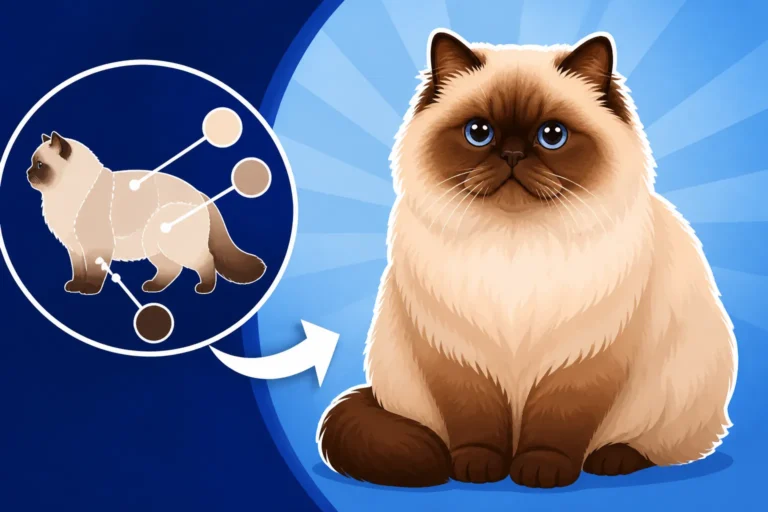
Every breed has its defining characteristics, and for the Himalayan, it’s undeniably the "pointed" pattern. Imagine the breed standard as a blueprint for the ideal Himalayan. Whether recognized as a distinct breed by registries like TICA or as a Colorpoint Persian division by CFA, the core elements remain consistent. The standard places immense importance on the clear contrast between the cat's body color and its "points." These points are the darker pigmented areas found on the mask, ears, legs, and tail. They are the cat's signature, the bold strokes that define its elegance. What the Himalayan Standard Weights Most A judge isn't just seeing a pretty cat; they're evaluating how perfectly your Himalayan embodies this genetic marvel. If the contrast isn't sharp, if the transition between light and dark isn't crisp, it immediately stands out as a deviation from the ideal. This isn't about personal preference; it's about adhering to the very essence of what makes a Himalayan a Himalayan.
Why a Himalayan's Body Coat Should Stay Light
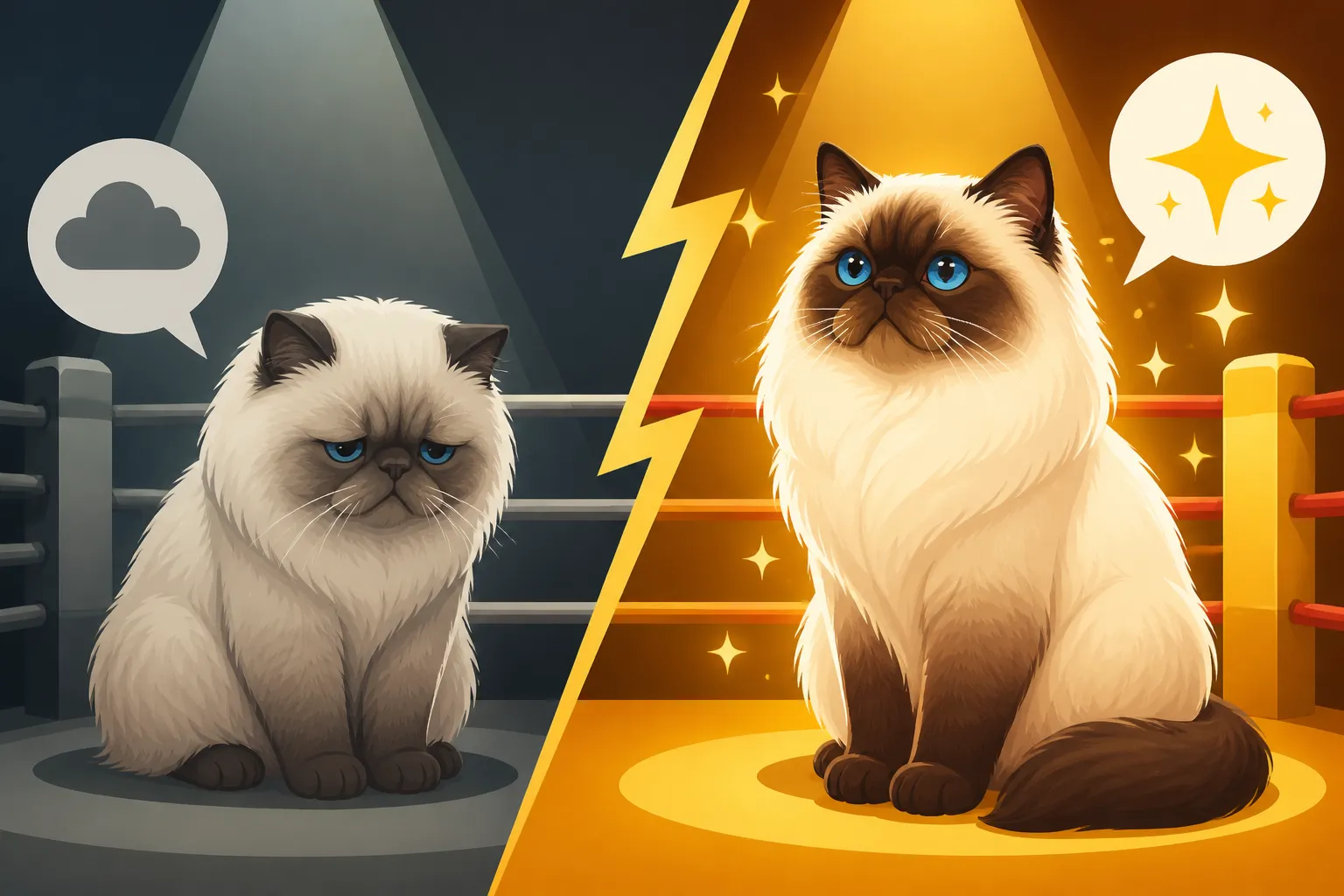
The magic of the Himalayan lies in that brilliant canvas of its body coat. Ideally, this body coat should be a pristine, clear, and uniform shade that provides the perfect backdrop for those rich, dark points. For many Himalayan point colors, this means a snow-white or incredibly pale cream body. Think of it like a perfectly lit stage; the lighter and cleaner the stage, the more the stars—the points—can shine. Any muddiness, yellowing, or generalized darkening of the body coat is a concern in the show ring. Judges look for an almost ethereal paleness, particularly on the chest, belly, and inner legs, to truly highlight the contrast. Why a Himalayan's Body Coat Should Stay Light If the body coat starts to take on a smoky hue, or a yellowish tint, it softens the dramatic impact of the points, making the overall appearance less striking. This is why preserving that delicate, light body color is a continuous effort for show Himalayan owners.
The Importance of Deep, Clearly Defined Points
While a light body provides the canvas, it's the points that are the masterpiece. Judges are looking for points that are not just dark, but deeply pigmented, rich in color, and consistently uniform across all four areas: the mask (covering the face, blending into the ears), the ears themselves, the lower legs and paws, and the tail. The edges where the points meet the body should be distinct and well-defined, not blurry or faded. Imagine a perfectly drawn line – that's what the judges want to see. Inconsistent point color, such as paws that are significantly paler than the ears, or a mask that fades unevenly, will inevitably lead to deductions. How Judges Score a Himalayan's Point Contrast The more saturated and solid the point color, the more dramatic and eye-catching the contrast will be, solidifying your cat's position as a prime example of the breed. A Himalayan with soft, blurred, or faded points simply doesn't convey the same level of genetic quality and breed type as one with crisp, vibrant coloring.
Factors That Compromise Point Contrast
Maintaining that exquisite point contrast isn't always easy. There are several contributing factors, some within your control, and others influenced by nature itself. Understanding these can help you strategize to keep your Himalayan looking its best for the show ring, or simply for your own enjoyment.
Environmental Influences on Coat Color
One of the most fascinating aspects of Himalayan cats is how their coat color is intrinsically linked to temperature. The gene responsible for their colorpoint pattern produces an enzyme that only works effectively in cooler temperatures. This is why the extremities – the cooler parts of the body like the ears, face, paws, and tail – develop dark pigment, while the warmer body core remains light. This scientific marvel means that the ambient temperature of your home can directly influence your cat's overall color. How Temperature Decides a Himalayan's Point Color A Himalayan kept in a consistently cool environment might develop a darker body coat over time, diminishing the crucial contrast. Why a Himalayan in a Cold House Darkens All Over To maintain optimal contrast, aim for a stable, comfortable indoor temperature. Avoid letting your Himalayan lounge in excessively cold spots or near drafty windows for extended periods, especially during cooler months. While you can't control genetics, you can certainly manage their environment to encourage that beautiful, pale body.
Nutritional Impact on Coat Quality and Pigmentation
What your Himalayan eats directly impacts the health and appearance of their coat, which in turn affects contrast. A diet lacking essential nutrients can lead to a dull, brittle, or discolored coat, making both points and body look less vibrant. Quality protein is fundamental for healthy hair growth. A diet rich in high-quality animal proteins helps ensure the coat is strong and sheds properly, preventing a buildup of dead hair that can dull the overall color. What Protein Level a Himalayan's Coat Needs Additionally, Omega-3 and Omega-6 fatty acids are crucial for skin and coat health, promoting a lustrous, healthy shine and helping to prevent matting and dryness. Why Omega Oils Keep a Himalayan's Coat From Matting
If you're looking to optimize your cat's diet, consider brands that focus on high-quality ingredients. Many owners find success with premium cat foods designed for long-haired breeds. You can also look for specialized formulations that provide balanced nutrition targeted at overall pet health, including coat vitality. Always ensure fresh water is available, as hydration is also key to a healthy coat.
Grooming Practices and Their Effect on Contrast
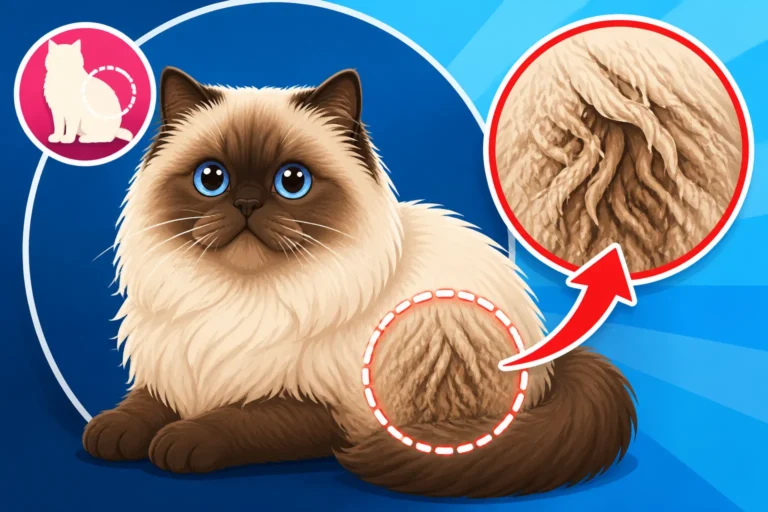
The Himalayan's glorious coat is a double-edged sword: beautiful, but demanding. Inadequate grooming is one of the quickest ways to lose points (pun intended!) in the show ring. Mats and tangles, which form incredibly easily in their long, dense fur, trap dirt, oil, and dander, leading to a dull, greasy, and discolored appearance, especially on the pale body. A single missed day of combing can rapidly escalate into a full-blown matting crisis. The Daily Comb a Himalayan Cannot Skip If a mat forms, it pulls on the skin, causes discomfort, and creates a dark, unsightly clump that completely breaks the pristine line of the coat. Why a Missed Day Costs a Himalayan a Mat
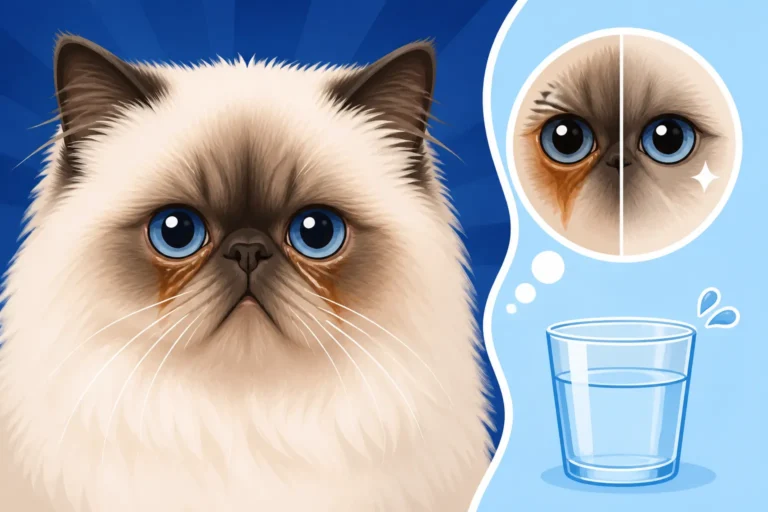
Regular, thorough combing is non-negotiable. A good quality steel comb is your best friend. Beyond the body, special attention must be paid to the face. Tear stains, if left uncleaned, will develop a reddish-brown hue that horribly mars the delicate pale fur around the eyes and nose, utterly destroying facial contrast. Similarly, the folds around their flattened nose can accumulate moisture and debris, leading to discoloration and even skin irritation. A diligent daily routine of combing, wiping the face, and checking for potential matting is essential to keep that contrast razor-sharp and the coat sparkling clean. You can find excellent grooming tools, from steel combs to gentle cat wipes, on platforms like Amazon.
Age, Genetics, and Other Considerations
While much of a Himalayan's contrast can be managed through environment and care, some factors are beyond our direct control, or change naturally over time. Understanding these can help you set realistic expectations and make informed decisions, especially if you're aiming for the show ring.
How Age Affects Point Contrast
Just like us, cats change as they age, and for Himalayans, one notable change is the deepening of their coat color. It's a natural process: as they mature, the points tend to darken and spread slightly, and the body coat can gradually take on a warmer, creamier, or even slightly smoky tone. This means that a vibrant, perfectly contrasted show cat in its prime might, by the age of ten or twelve, have a more muted contrast. Why an Old Himalayan Looks Almost Solid Colored While still beautiful, this natural darkening means that an older Himalayan might not possess the same stark, crisp contrast that a younger cat does. This is generally understood and accepted by judges to a certain extent, but rapid or excessive darkening in a young cat can still be a flag for other issues. It's a gentle reminder that their beauty evolves, and sometimes, the peak contrast is a fleeting phase of their youth. How Many Years a Himalayan's Points Take to Finish
Genetic Predisposition to Poor Contrast
While environmental and care factors are significant, genetics lay the foundational blueprint for your Himalayan's appearance. Some breeding lines are simply predisposed to better contrast, featuring a naturally clearer body coat and richer, more defined points. Reputable breeders work diligently to select cats for their breeding programs that exemplify the breed standard, which includes strong, clear point contrast. They are trying to breed out the tendency for "smutty" body coats (a generalized greyish wash) or weak, faded points.
If you are considering a Himalayan with an eye toward showing, it is absolutely vital to examine the parents of the kitten. Look at photos of their body and point contrast, and ideally, see them in person. A kitten from parents with excellent contrast has a much higher chance of developing and maintaining that desirable look than one whose lineage shows inconsistent or poor contrast. Even with the best care in the world, genetics ultimately dictate the potential.
Health Issues That Can Dull the Coat
A healthy cat generally has a healthy coat, and the reverse is also often true. Underlying health problems can subtly, or sometimes dramatically, impact the quality and appearance of a Himalayan's fur, directly affecting its contrast. For instance, kidney issues, which Himalayans can be prone to due to their Persian lineage (remember PKD1 Came Down the Persian Side of a Himalayan), can lead to a dull, dry, and poor-quality coat. Any chronic illness that affects a cat's metabolism, nutrient absorption, or overall vitality can manifest as a lacklustre coat. Even stress can sometimes cause a temporary dulling of the fur.
For example, if your Himalayan undergoes surgery, the shaved area might grow back darker due to the localized cooling of the skin, temporarily affecting coat consistency. Why a Himalayan's Coat Changes Color After Surgery This highlights how internal health and external appearance are deeply intertwined. Regular veterinary check-ups are paramount not just for your cat's well-being, but also for maintaining their peak physical presentation. A vet can help identify and address any underlying conditions that might be sabotaging your efforts to achieve that pristine contrast, ensuring your cat feels as good as they look.
Strategies for Maximizing and Maintaining Contrast
Okay, so we've talked about why contrast is so important and what can go wrong. Now, let's get down to the actionable steps you can take to make sure your Himalayan's coat shines its brightest and that coveted contrast is as sharp as possible. It takes dedication, but the results are truly rewarding.
Optimizing Environmental Factors
Since temperature plays such a huge role in a Himalayan's coat color, managing their environment is step one. Your goal is a consistently warm and stable indoor climate. This means avoiding drastic temperature swings. During winter, ensure your home is comfortably heated, and try to prevent them from spending too much time in drafty areas or cold, unheated rooms. Conversely, in summer, keep your home comfortably air-conditioned. The Temperature a Himalayan Starts to Struggle At Excessive heat can, surprisingly, also affect coat quality, making it feel less dense and possibly impacting overall color clarity.
Consider providing soft, insulated bedding in their favorite sleeping spots. If your Himalayan loves to lounge in a sunbeam, be mindful. While a little warmth is good, prolonged exposure to intense sunlight can sometimes yellow delicate white fur and even slightly lighten points over time. It’s a delicate balance, but creating a consistent, cozy environment is key to encouraging that light body coat to stay beautifully pale.
Selecting the Right Nutrition
Diet is truly foundational for a magnificent coat. Opt for a premium cat food that lists high-quality animal protein as the primary ingredient. Look for formulas specifically marketed for "skin and coat health" or "long-haired breeds," as these often contain a beneficial balance of nutrients. These typically include Omega-3 and Omega-6 fatty acids, which are vital for a shiny, healthy coat and supple skin, both of which contribute to the overall visual appeal. Why Omega Oils Keep a Himalayan's Coat From Matting
Before adding any supplements, always consult your veterinarian, but ingredients like salmon oil can be fantastic for coat health. Many excellent brands are available, and you can conveniently find a wide array of choices on platforms like Chewy or Amazon. Remember that flat-faced Himalayans can have unique eating challenges due to their shortened muzzle. Choose shallow, wide bowls that don't press their whiskers or make it difficult to scoop up food, ensuring they can actually consume all those beneficial nutrients. Which Bowl Shape a Flat Faced Himalayan Can Use Consistent access to fresh, clean water is also crucial for hydration, which directly impacts coat elasticity and shine.
Mastering the Grooming Routine
This is where the rubber meets the road. A Himalayan's coat demands daily, meticulous attention. There are no shortcuts, especially if you're aiming for show quality.
Here's a breakdown of a winning grooming routine:
- Daily Combing: Use a high-quality stainless steel comb with both wide and fine teeth. Start with the wide teeth to gently work through the topcoat, then switch to the finer teeth for the undercoat. Pay extra attention to common matting areas like the armpits, behind the ears, the 'britches' (fluffy fur on the hind legs), and the ruff around the neck. Always comb down to the skin, not just over the top, to remove loose hair and prevent mats from forming deep within the coat. This process, if done diligently, might take How Many Minutes a Day a Persian Coat Takes on a Himalayan.
- Face Wiping: Every single morning, your Himalayan's face needs attention. Their flat faces and often watery eyes mean tear stains can become a problem quickly. Use a soft, damp cloth (or specialized pet wipes, readily available on Amazon) to gently clean around the eyes and nose. Pay close attention to the nose fold, ensuring it's dry and free of debris to prevent discoloration and irritation. Why a Himalayan's Face Must Be Wiped Every Day
- Spot Cleaning: For any minor discoloration on the body coat, a bit of cornstarch can act as a dry shampoo, absorbing oils and brightening the fur. Sprinkle a small amount, work it gently into the affected area, let it sit for a few minutes, then thoroughly comb it out.
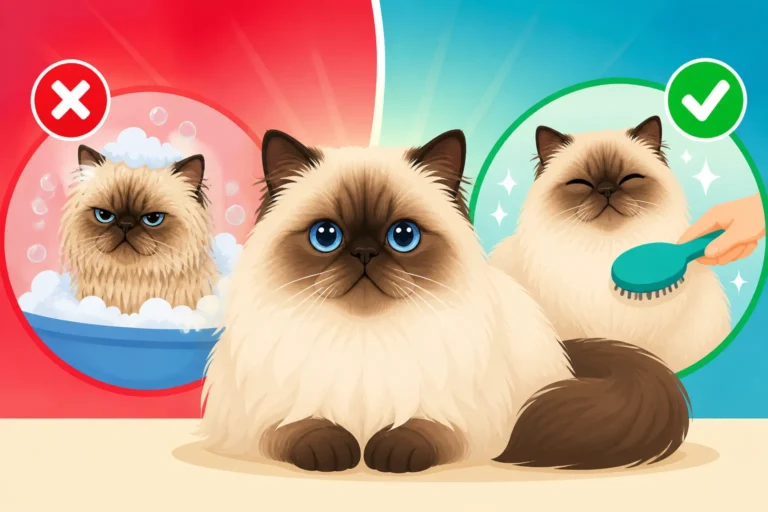
- Bathing (Rarely): Himalayans generally don't need frequent baths. Over-bathing can strip essential oils, drying out their skin and coat. When a bath is necessary (e.g., if they've gotten into something messy), use a cat-specific shampoo designed for long-haired or white coats. Ensure you rinse all the shampoo out and dry them completely with a hairdryer on a low, cool setting to prevent mats and ensure the coat stays fluffy and light.
- Britches Trim: Periodically, you might need to carefully trim the fur around their hindquarters to prevent fecal matter and litter from clinging to it, which can cause unsanitary conditions and significant matting that ruins contrast.
By integrating these practices into your daily life, you are not just grooming your cat; you are actively nurturing that breathtaking point contrast that defines the Himalayan breed.
Contrast Considerations in the Show Ring
When your Himalayan steps into the show ring, the judges aren't just looking for a beautiful cat; they're evaluating how perfectly your cat embodies the breed standard, and contrast is a major part of that. Understanding what they're looking for, and what flaws can lead to a lower score, is essential for any aspiring show cat owner.
Judge's Perspective on Ideal Contrast
Judges are looking for a cat that presents a dramatic and pleasing visual. This means a body color that is as pale as possible for the specific point color (e.g., pure white for a Seal Point, clear cream for a Blue Point), creating a vivid distinction against the rich, dark points. The points themselves need to be uniform in color across the mask, ears, legs, and tail, with no fading or blotchiness. The lines between the points and the body should be crisp and well-defined, not blurry or smudged. Think of it as a finely tuned work of art – every element must be in its perfect place.
A well-contrasted Himalayan is a dynamic display of color genetics. Judges evaluate not only the degree of contrast but also the quality of the colors themselves – whether the points are deep and rich, and the body is clear and clean. Any deviation from this ideal, even slight muddiness in the body coat or faded points, will be noted.
Common Contrast Flaws Leading to Deductions
Several common issues can lead to a judge deducting points from your Himalayan, specifically related to contrast:
- Smutty Body Color: This refers to a general darkening or grayish wash over the body coat, particularly noticeable on the chest or flanks. Instead of being a clear, pale canvas, the body coat looks dirty or dull, reducing the impact of the points.
- Faded or Mottled Points: Points that aren't a consistent, deep color across all extremities. For example, pale feet on a Seal Point, or a mask that fades out unevenly rather than maintaining its depth of color. Blurry edges where the points meet the body are also a significant flaw.
- Yellowing or Staining: Especially on pale-bodied Himalayans (like Cream Points), any yellowing, particularly on the ruff, britches, or around the face from tear stains, significantly detracts from the clean contrast. How Tear Staining Marks a Himalayan's Pale Body Coat This indicates a lack of meticulous grooming or an underlying issue.
- Poor Point Uniformity: If the ears are significantly darker than the tail, or the front legs are much paler than the hind legs, this lack of uniformity across the points themselves is a fault.
- Residual Stripes/Barring: While less common in well-bred Himalayans, some cats may show subtle tabby-like barring on their points, especially Lynx Points. If these markings are too pronounced and detract from the solid color, it can be a fault.
Judges are highly experienced in spotting these nuances. Even if you don't notice a slight blurring or a touch of yellowness, their trained eyes will. Ultimately, a Himalayan with "poor contrast" is one that fails to present the vivid, distinct color pattern that is a hallmark of the breed, and this will consistently lead to lower scores in the show ring.
| Feature | Ideal Himalayan Contrast | Poor Himalayan Contrast |
|---|---|---|
| Body Coat | Pristine, clear, even, very pale (e.g., snow white, cream) | Smutty, yellowed, dingy, unevenly darkened |
| Point Color | Deep, rich, saturated, uniform throughout points | Faded, dull, streaky, inconsistent color across points |
| Point Edges | Crisp, sharp, clearly defined where points meet body | Blurry, smudged, indistinct, gradual transition |
| Overall Look | Striking, dramatic, elegant, eye-catching | Muted, bland, lacking visual impact, unkempt |
| Tear Stains | Minimal to none, face clean and bright | Visible rust-colored or dark staining around eyes/nose |
Disclaimer
This article is for general informational purposes only and does not constitute professional advice. Laws, prices and regulations vary by location and change over time. Consult a qualified professional for guidance on your specific situation.