A Himalayan Kitten’s First Year, White to Pointed
Bringing home a Himalayan kitten is truly a magical experience, but it often comes with a bit of a surprise: many new owners are astonished to find their tiny, fluffy bundle is almost entirely white! The journey from that pristine, uncolored coat to the rich, defined "points" that Himalayans are famous for is a fascinating process that can leave you wondering what to expect. This guide will walk you through your Himalayan kitten's first year, explaining exactly how those beautiful colors emerge and what you'll observe as your little cloud transforms into a majestic, pointed feline.
The Mystery of the White Kitten: Born Without Color
It’s often a point of fascination, and sometimes confusion, for first-time Himalayan owners: you bring home this adorable, tiny kitten, and it's a fluffy ball of pure white. Where are the dark ears, the seal-colored tail, or the stunning blue mask? The common misconception is that all kittens are born with their adult colors already showing, but for Himalayans, the story is beautifully different. They enter the world as little ghosts, and it's all thanks to a remarkable genetic trait that makes them so special.
Why Every Himalayan Kitten is Born Almost White
The reason your new kitten starts off looking like a snowdrift is deeply embedded in its genetics, specifically related to the "pointed" gene it carries. This gene, which Himalayans inherited from their Siamese ancestors, is temperature-sensitive. It means that the enzyme responsible for producing pigment in the fur only becomes active at cooler body temperatures. Inside the warmth and consistent temperature of their mother's womb, a kitten's entire body is uniformly warm, preventing this pigment-producing enzyme from activating. This results in every single Himalayan kitten being born almost entirely white or, at most, a very, very faint cream. There's simply no differentiation in temperature while they're developing, so no color can form.
As soon as they're born and exposed to the cooler ambient air of the outside world, their extremities—ears, nose, paws, and tail—begin to cool down. It’s a gradual process, but these areas are naturally a few degrees cooler than the core body, which is precisely where the magic of their color transformation begins. This is why you won't see much, if any, color on your kitten for the first few days or even weeks; their bodies are still regulating temperature, and the process of pigment development is a slow burn. What Color a Himalayan Kitten Is at Birth explores this phenomenon in more detail.
The Temperature-Sensitive Gene and Pigment Development
Understanding the science behind the Himalayan's point coloration really helps you appreciate the subtle changes you’ll see. The gene responsible for this unique pattern is known as the "Himalayan gene" or "colorpoint gene." It's a form of partial albinism, where the pigment-producing enzyme, tyrosinase, only functions effectively below a certain temperature threshold. Think of it like a tiny internal thermometer dictating where color can and cannot appear.
The cooler parts of your kitten's body—those furthest from their core, like the tips of their ears, their nose, paws, and tail—are where this enzyme can finally get to work. These are the areas that lose heat most readily, allowing the pigment to develop. Conversely, the main body of your Himalayan, particularly their chest and belly, remains warmer, keeping the enzyme inactive and the fur beautifully pale. This constant interplay between body temperature and genetic expression is what creates the stunning contrast that defines the breed. It’s also why keeping your kitten consistently comfortable and not overly chilled is important for their overall health, even as you watch for those developing points. Which Gene Makes a Himalayan Pointed delves deeper into the specifics of this genetic marvel.
The First Faint Blush: Weeks 1-4
The first few weeks of a Himalayan kitten's life are truly a time of subtle miracles. While they might still look largely white to the untrained eye, if you look closely, you’ll start to see the very first hints of their future glory. This is when the temperature-sensitive gene begins its work, painting the initial strokes of their distinctive point coloration. It’s an exciting time, especially if you’re eager to see what beautiful shades will emerge.
Where the Points First Appear and Their Subtlety
Usually, the first places you’ll notice any color emerging are the very tips of their ears and, sometimes, the pads of their tiny paws. It's not a dark, distinct color yet; instead, it's often a faint, almost translucent blush of cream or a very pale grey, depending on whether they will be a seal point, blue point, or another color. Imagine a watercolor painting, where the artist has just applied the first, lightest wash of color. You might have to hold your kitten in good natural light, perhaps even comparing them to old photographs, to truly appreciate the subtle shift. This isn't about dramatic changes overnight; it's a slow, unfolding reveal, like watching a photograph develop in a darkroom.
The nose leather might also begin to show a slight darkening, a soft pink turning to a muted rose or even a pale slate. The tail, too, might have a faint shading at the very tip. These initial points are incredibly soft and don't yet have the solid, rich color you expect in an adult Himalayan. It's a testament to the gradual cooling of these extremities and the slow activation of the pigment-producing enzymes. Patience is key here; the beauty is in observing these delicate, almost imperceptible shifts. How Many Weeks Before a Himalayan Kitten's Points Show provides a detailed timeline for this initial stage.
The Influence of Environmental Temperature
The environment your kitten lives in plays a surprisingly significant role in how quickly and intensely their points develop during these early weeks. A kitten raised in a slightly cooler environment, say a room kept at a comfortable but not overly warm temperature, might show its points a little sooner and potentially with slightly more initial intensity than one kept in a consistently very warm room. This is because the cooler ambient temperature helps those extremities drop below the pigment-activation threshold more readily.
However, it's absolutely crucial not to deliberately expose a young kitten to cold in an attempt to "hurry" the color development. Young kittens are incredibly vulnerable to chills, and their health and well-being should always be the absolute priority. A stable, warm environment is paramount for their growth and immune system development. The temperature-sensitive gene will do its work naturally over time in any appropriate living conditions. The subtle differences in point development due to ambient temperature are more of an interesting observation than a factor to manipulate. Focus on providing a safe, cozy, and nurturing home, and trust that nature will take its course with their beautiful coloration.
Developing Definition: Months 2-4
As your Himalayan kitten moves past the initial newborn stage and into its second to fourth months, the changes become much more apparent and exciting. This is when those faint blushes start to coalesce into clearer, more defined points, giving you a much better idea of what your adult cat will look like. It's a phase of rapid development, not just in color, but in their overall personality and physical presence.
Points Become Clearer and More Distinct
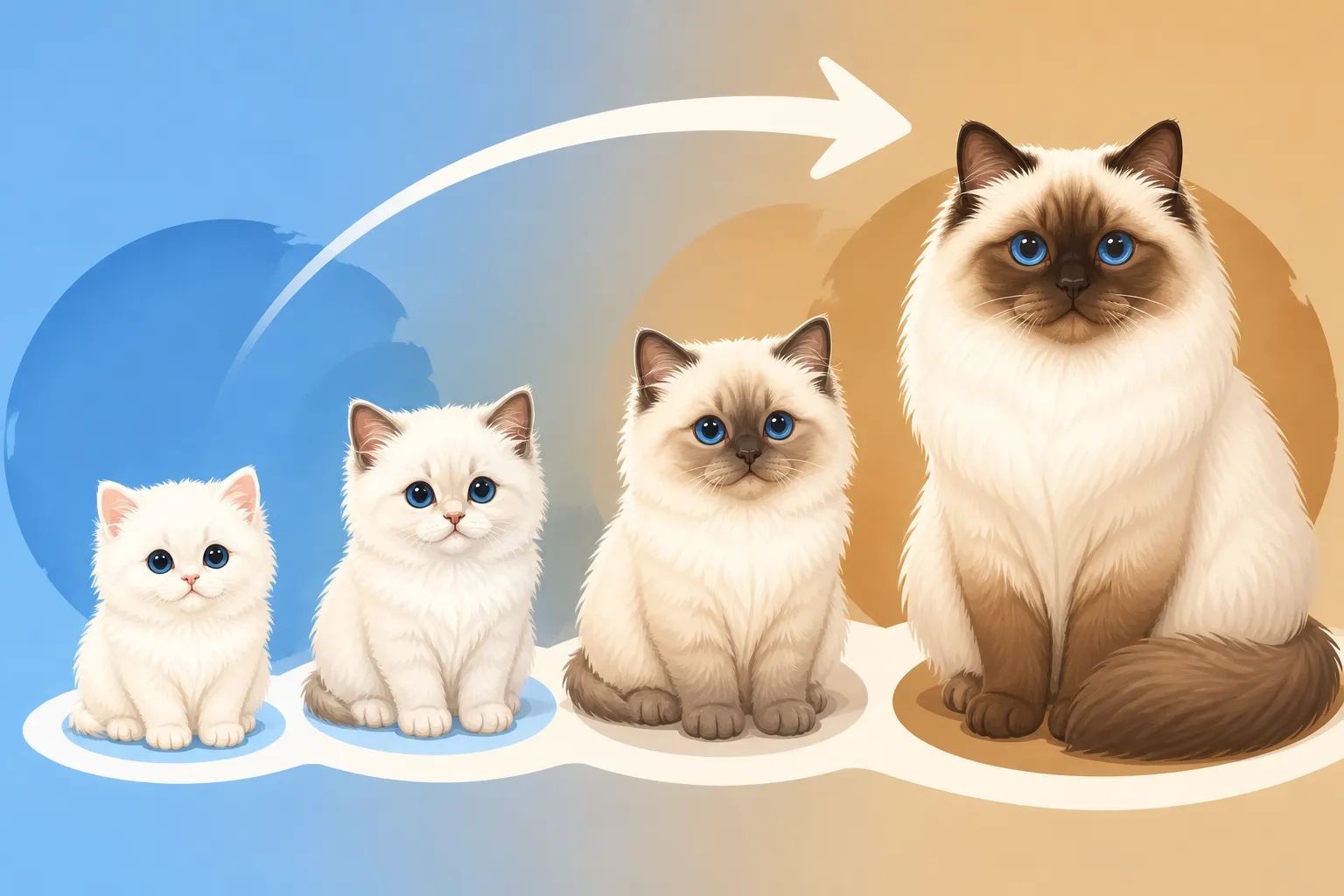
By the time your Himalayan kitten is around two months old, you'll no longer need to squint or hold them under perfect lighting to see their points. The color on their ears will be undeniable, and their nose mask will be starting to form a more distinct shape. Their paws will likely show clear evidence of their point color, and the tail will have a more noticeable shading. If your kitten is a seal point, you’ll see rich, dark brown emerging. For blue points, a lovely slate gray will be evident. Chocolate points will be a warmer brown, and lilac points will display a delicate, frosty gray-pink.
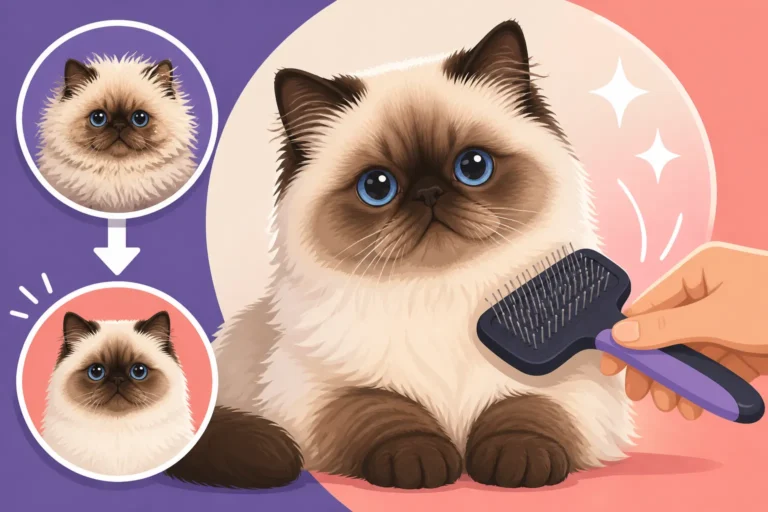
This period is all about increasing saturation. The pigment isn't just faintly there; it's building up, becoming richer and deeper. You'll start to see the lines of the mask on their face, framing those stunning blue eyes. The contrast between their still-pale body and their developing points will begin to emerge, showcasing the classic Himalayan pattern. It’s often during these months that breeders or new owners get a firm confirmation of the kitten’s exact point color, which can be hard to differentiate in the first few weeks. How a Himalayan Kitten's Points Darken Month by Month illustrates this progression beautifully.
Body Coat Remains Pale and Eye Color Deepens
While the points are deepening, one of the most striking features of a Himalayan kitten during these months is how remarkably pale their body coat remains. This stark contrast is what the breed standard truly celebrates. You'll see light cream, frosty white, or even pure white fur across their back, sides, and belly, standing out dramatically against the developing color on their extremities. This indicates a healthy, well-contrasted Himalayan. If the body coat starts to look dingy or yellowish, it might be an early sign of environmental factors like diet or excessive sun exposure, which can affect the purity of the lighter fur.
Coincidentally, this is also the period when those captivating blue eyes of your Himalayan start to deepen in hue. All kittens are born with blue eyes, but in Himalayans, the intensity of this blue becomes more pronounced. They shift from a milky, baby blue to a more vivid, brilliant sapphire or cornflower blue. The point gene is directly linked to having blue eyes, making it a guaranteed and cherished trait for the breed. This deepening blue adds another layer of beauty to their unfolding appearance, creating a stunning focal point on their developing mask. How Many Weeks a Himalayan's Blue Takes to Deepen provides more information on this.
Early Grooming Introduction and Handling
Beyond the visual changes, these months are absolutely critical for establishing good grooming habits. Your kitten's coat is already getting longer and denser, particularly around the ruff and britches, setting the stage for the intense grooming needs of an adult Himalayan. Starting early makes all the difference. Introduce a soft brush or a fine-toothed metal comb, like one you might find on Amazon specifically for cat grooming, for very short, gentle sessions daily. The goal isn’t to fully groom them yet, but to get them comfortable with the sensation and the routine.
Use treats and positive reinforcement to make grooming a pleasant experience. Focus on their back and sides first, areas they are less sensitive about, before gradually moving to their developing ruff, belly, and tail. This consistent, positive exposure teaches them to tolerate and even enjoy being handled. It’s also the perfect time to start gently touching their face, ears, and paws, preparing them for future face wiping, nail trims, and vet visits. Getting a kitten used to regular handling and grooming now will save you a lifetime of struggle and potential mats down the line. Getting a Himalayan Kitten Used to the Comb offers practical advice for this crucial training.
Adolescent Hues: Months 5-8
As your Himalayan kitten enters its adolescent stage, typically between five and eight months, their transformation truly blossoms. This is where you see the full promise of their adult coloration and magnificent coat coming into its own. It’s a period of significant growth and refinement, both aesthetically and in terms of their physical development.
Full Mask and Body Points Setting In
During these months, the mask on your Himalayan's face will become much more developed and distinct, covering more of their muzzle and cheeks, and reaching up towards their forehead. The rich color you expect from a mature Himalayan will be firmly established on their ears, paws, and tail. For instance, a seal point will have a deep, almost black-brown on these areas, and a blue point will showcase a rich, smoky slate. The contrast with their pale body coat will be striking and visually captivating. You'll observe that the pigment has fully activated in all the cooler extremities, creating a beautiful, clear demarcation line.
It's also worth noting that the body coat itself, while remaining pale, will start to gain its full length and density. The luxurious double coat that is characteristic of the breed will be growing in, giving them that plush, regal appearance. While their adult body size is still a work in progress, their coat will already give them a substantial, cobby look. This period is truly when the Himalayan "look" solidifies, and you get to appreciate the full beauty of their unique color pattern and magnificent fur.
Ruff Development and Coat Density
One of the most defining features of a Himalayan is its opulent ruff, that magnificent mane of fur around their neck and shoulders. During months five to eight, you'll notice this ruff growing significantly in length and density. It will become fuller, framing their face and adding to their majestic presence. This thick, luxurious fur is part of their Persian heritage and requires diligent care. Simultaneously, the undercoat across their entire body will be thickening, contributing to the "cobby" (stocky and broad) appearance of the breed.
This increasing coat density means their grooming needs also intensify. What started as gentle introductions must now become a daily routine. A sturdy, wide-toothed steel comb is essential for getting through their growing undercoat and preventing mats from forming, especially in friction areas like behind the ears, armpits, and britches. Neglecting the daily comb even for a couple of days can lead to painful tangles that are much harder to remove. Make it a bonding experience, perhaps while watching your favorite show, and make sure you're reaching down to the skin to clear out loose undercoat. How Often a Himalayan Must Be Combed emphasizes the importance of this routine.
Personality Emerging Alongside Color
As your Himalayan kitten develops physically, their unique personality also comes into its own. While Himalayans are generally known for being sweet, gentle, and quiet, you'll start to see individual quirks and preferences emerge during these adolescent months. They might develop a favorite sleeping spot, a particular toy they prefer, or a distinct way of communicating their desires, whether through soft chirps or gentle head nudges.
You'll also notice their activity levels settling into a rhythm. Himalayans often have a lovely balance of playful energy from their Siamese side and calm, lap-loving tendencies from their Persian heritage. They might enjoy short bursts of play with wand toys (you can find great options on Amazon), followed by long stretches of napping in a sunny spot or on your lap. This stage is about observing and understanding your specific cat's temperament, fostering their confidence, and ensuring they feel secure and loved in their environment.
The Full Palette: Months 9-12 and Beyond
As your Himalayan approaches its first birthday and moves into adulthood, you’ll witness the culmination of its color transformation. This period marks the final setting of their primary point colors, though the journey of deepening points continues subtly throughout their life. It's truly rewarding to see the magnificent cat they've become from that tiny white kitten.
Mature Point Coloration and Contrast
By the time your Himalayan is around nine to twelve months old, their point coloration will have reached its mature shade and intensity. The mask on their face will be fully formed and dense in color, extending clearly across their muzzle and potentially higher onto their forehead, depending on the individual and specific point color. Their ears, paws, and tail will display the full, rich pigment characteristic of their particular point color – whether it's a deep seal, a cool blue, a warm chocolate, or a delicate lilac. The contrast between these dark points and their typically pale, creamy body coat should be striking and well-defined, showcasing the breed's signature beauty.
While the most dramatic changes are largely complete, it's fascinating to know that a Himalayan's points will continue to deepen and even spread slightly with age. This is due to continued exposure to cooler ambient temperatures over years. You'll likely find that an older Himalayan, especially one living in a cooler climate or a cooler house, will have slightly darker points and potentially some subtle shading on its body coat as it reaches senior years. This lifelong deepening is a charming characteristic and part of the reason your Himalayan's appearance remains dynamic. Why a Himalayan's Points Deepen Every Year It Lives explains this fascinating process in depth.
Understanding the Lifelong Darkening Process
It's important to understand that your Himalayan's color is never truly "finished." While the primary points set by their first birthday, the unique temperature-sensitive gene means their coat will continue to respond to environmental temperatures throughout their life. If your Himalayan lives in a particularly cool house, or enjoys spending time lounging on cold tile floors, you might notice their body coat developing a slightly warmer, creamier tone over many years, or their points becoming even richer. This is a natural consequence of the pigment-producing enzyme having more opportunities to activate over time in slightly cooler areas.
Conversely, if a patch of your Himalayan's fur is ever shaved (for surgery, for instance), the fur that grows back in that area will often be darker than the surrounding body coat. This is because the shaved area is exposed to the cooler air, allowing the pigment to develop more intensely. Once the fur grows out longer and traps body heat, the subsequent growth usually returns to the paler body color. This phenomenon is a clear demonstration of how dynamic and responsive their coat coloration truly is. It's a constant, subtle evolution, making each Himalayan truly unique in their individual shade progression.
Final Size, Weight, and Health Considerations
By their first birthday, most Himalayans will have reached nearly their full adult size and weight, though some may continue to fill out slightly over the next few months. They are a cobby, substantial breed, with males typically being larger and heavier than females. It's crucial during this stage to maintain a healthy weight, as obesity can exacerbate some of the breed-specific health considerations. Their thick, long coat can hide excess weight, so regular weighing is important.
Himalayans, due to their Persian lineage and flat faces, do have certain health considerations that become more prominent as they mature. Brachycephalic (flat-faced) characteristics can lead to breathing difficulties, especially in warmer weather or during strenuous play. Their crowded jaws also necessitate regular dental care, with early introduction to brushing being vital. And, like many purebred cats, they can be predisposed to certain genetic conditions such as Polycystic Kidney Disease (PKD) and Progressive Retinal Atrophy (PRA), though responsible breeders will have tested for these. Regular vet check-ups are essential to monitor their overall health and address any emerging issues proactively. What Goes First in a Himalayan Past Twelve discusses age-related health changes.
Managing Expectations and Enjoying the Journey
Welcoming a Himalayan kitten into your home is a commitment to a truly unique and beautiful companion. The journey from a tiny white fluffball to a magnificent, fully pointed adult cat is a delightful experience, but it also comes with its own set of expectations and responsibilities. Understanding these can help you better appreciate every stage of their development.
No Two Himalayans Develop Identically
It's natural to compare your kitten's development to pictures you see online or even to other Himalayans you know. However, it's important to remember that just like people, no two Himalayans will develop their points at exactly the same rate or with the exact same intensity. Factors like their specific genetic lineage, the particular shade of point color (e.g., a chocolate point might develop a bit slower than a seal point), and even the ambient temperature of your home can influence the speed and depth of their coloration. Some kittens show their points quite early and boldly, while others are more subtle and take a little longer to truly "blush" with color.
Embrace the individual journey of your own cat. Their unique timeline and specific shade variations are part of what makes them special. Avoid trying to force or accelerate the process, as this could be detrimental to their health. Instead, enjoy observing the subtle changes and celebrating each milestone in their color development. Your Himalayan is a living, breathing work of art, gradually revealing its masterpiece.
Emphasizing Patience and Observation
The most important advice for any Himalayan owner, especially during that first year, is patience. The transformation from white to pointed is a gradual one, unfolding week by week and month by month. It's not a sudden event, but rather a slow, beautiful reveal. Take photographs regularly to document their growth; you'll be amazed when you look back at how much they've changed. These visual records will highlight the subtle shifts you might miss in day-to-day observation.
This period of observation also extends to their health and behavior. Pay close attention to their breathing, eating habits, and grooming. Their thick coat and flat face mean they can be prone to specific issues, and early detection is key. Why a Himalayan's Nose Leather Should Be Checked Monthly and Why a Himalayan's Eyes Water All Day cover common areas needing attention. Consistent, loving observation helps you build a strong bond with your cat and ensures you're attuned to their needs, both physical and emotional.
The Unique Joy of Watching the Transformation
There's a special kind of joy that comes from watching a Himalayan kitten transform. It's like having a living, breathing canvas that slowly reveals its true colors over time. From the wonder of seeing those first faint smudges on their ears to the pride of beholding a fully masked, deep-pointed adult, every stage is precious. This developmental journey is a core part of the Himalayan experience, setting them apart from many other breeds.
Beyond the aesthetics, the first year is also about building an unbreakable bond with your feline companion. It's about teaching them to trust the comb, to enjoy their face being wiped, and to feel safe and loved in their forever home. By understanding and anticipating their unique developmental journey, you're not just a passive observer; you're an active participant in nurturing a beautiful, well-adjusted Himalayan cat. This intentional engagement makes the journey even more rewarding, creating memories that will last a lifetime.
Daily Grooming and Face Care Essentials
Owning a Himalayan cat means embracing a commitment to daily grooming. This isn't just about aesthetics; it's fundamental to their health, comfort, and well-being. Their luxurious, long coat and distinct facial structure necessitate specific routines that, when adhered to, keep them looking magnificent and feeling great. Neglecting these can quickly lead to painful problems.
The Daily Comb: A Non-Negotiable Routine
A Himalayan's coat is a double coat, meaning it has a soft, dense undercoat beneath longer guard hairs. This type of coat is incredibly prone to matting, even with diligent care. Therefore, daily combing is not just recommended, it's absolutely essential. Think of it as a brief, loving massage that doubles as a health check and a bonding experience. You're not just removing loose fur; you're preventing tangles from forming into painful mats that can pull on their skin, cause discomfort, and even lead to skin infections.
You'll need a good quality, wide-toothed steel comb, easily found on Amazon. Start with just a few minutes, focusing on areas prone to matting like behind the ears, in the armpits, on the belly, and especially in their "britches" (the long fur around their hind legs). Work slowly, gently, and in sections, making sure the comb reaches down to the skin to clear out any loose undercoat. If you hit a snag, don't pull! Gently work it out with your fingers or a mat splitter if necessary. Making this a positive experience with treats and praise from kittenhood will make it a lifelong pleasure rather than a chore. What Daily Combing Costs a Himalayan Owner in Time might sound like a lot, but it genuinely saves on vet bills later.
The Morning Face Routine: Keeping Those Blue Eyes Clear
The flat facial structure and large, expressive blue eyes of a Himalayan are undeniably charming, but they also require daily attention. Many Himalayans experience tear staining, where tears well up and run down their face, especially in the folds around their nose. This dampness can lead to unsightly rust-colored stains, skin irritation, and even yeast infections in the facial folds if left unaddressed.
Every morning, make it a habit to gently wipe your Himalayan's face. Use a soft, damp cloth, a cotton ball, or specially formulated eye wipes (again, Amazon has many options that are safe for pets) to clean the area beneath their eyes and around their nose fold. It's crucial to dry the area thoroughly afterward to prevent moisture buildup, which can encourage bacterial or yeast growth. Look for any redness, swelling, or excessive discharge, which could indicate an eye infection or a blocked tear duct, and consult your vet if you're concerned. This simple routine not only keeps them looking pristine but also ensures their comfort and prevents potential health issues. Why a Himalayan's Face Must Be Wiped Every Day delves into the reasons behind this vital routine.
Selecting the Right Tools for Himalayan Care
Having the correct grooming tools makes all the difference in keeping your Himalayan comfortable and looking their best. Beyond the essential steel comb for their body, consider a smaller, fine-toothed comb for their face and a slicker brush for fluffing and general tidying, though be careful not to rely solely on the slicker as it often doesn't reach the undercoat effectively.
For their eyes and face, invest in some soft cotton pads or pet-specific cleansing wipes. If tear staining is a consistent issue, talk to your vet about potential solutions, which might include specific tear stain removers or even dietary adjustments. For their short, sturdy claws, a good quality pair of cat nail clippers will be needed periodically. Finally, don't forget dental hygiene; a small, soft toothbrush and pet-safe toothpaste are crucial for maintaining their crowded teeth and preventing dental disease. Regular cleaning will help avoid more serious issues down the line. Which Grooming Tools a Himalayan Owner Cannot Skip offers a complete rundown of necessary items.
Health and Wellness: Beyond the Beautiful Coat
While the Himalayan's stunning coat and captivating face are what often first draw people to the breed, understanding their specific health and wellness needs is paramount. Their unique physical characteristics, inherited from both Persian and Siamese ancestors, mean they come with certain predispositions that require proactive care and awareness.
Addressing Brachycephalic (Flat Face) Concerns
The beloved flat face of the Himalayan, while adorable, is medically termed "brachycephalic," and it brings with it several potential health challenges, primarily related to their breathing. Their shortened nasal passages, often accompanied by narrowed nostrils (stenotic nares) and an elongated soft palate, can make breathing more difficult than in cats with longer muzzles. This is why you might hear a Himalayan snore, breathe heavily, or even pant after minimal exertion. This isn't just cute; it's a sign their airway is compromised.
It's crucial to monitor your Himalayan's breathing, especially during play or in warm weather. Signs of distress include open-mouth breathing, loud snoring, labored breathing, or excessive panting. Avoid overheating at all costs, as their compromised airway makes them highly susceptible to heatstroke. Ensure they always have access to cool, shaded areas and fresh water. In severe cases, a vet might recommend surgery to widen nostrils or shorten the soft palate to improve airflow. Early veterinary assessment of their airway structure, even during kittenhood, is highly recommended. How a Vet Grades a Himalayan's Nostrils can help you understand what your vet is looking for.
The Importance of Regular Dental Care
Due to their brachycephalic skull structure, Himalayans often have a crowded mouth. Their teeth are packed into a shorter jaw, leading to misalignment, overlapping, and an increased risk of dental disease. Food particles and bacteria can easily get trapped between these crowded teeth, leading to plaque, tartar buildup, gingivitis, and eventually painful periodontal disease. This issue starts young and progresses over time if not managed.
Establishing a dental care routine from kittenhood is vital. Aim to brush your Himalayan's teeth daily with a pet-safe toothbrush and toothpaste. While this can be challenging, consistent effort can make a huge difference. Regular veterinary dental check-ups, often starting around 1-2 years of age, are also crucial. Your vet might recommend professional dental cleanings under anesthesia to remove tartar and address any emerging issues. Don't wait for bad breath to become obvious, as that often indicates advanced dental disease. Proactive care can save your Himalayan from significant pain and costly extractions down the line. How Crowded a Himalayan's Lower Jaw Gets details the challenges of their unique dental anatomy.
Screening for Genetic Diseases: PKD and PRA
Himalayans, being a hybrid breed of Persian and Siamese, can inherit genetic predispositions from both sides. Two of the most significant concerns from their Persian lineage are Polycystic Kidney Disease (PKD) and Progressive Retinal Atrophy (PRA). Responsible breeders will screen their breeding cats for these conditions, and you should always insist on seeing proof of clear genetic testing for both parents of your kitten.
PKD is a hereditary condition that causes cysts to form in the kidneys, progressively leading to kidney failure. It's often detectable via ultrasound even in young cats and can be identified definitively through a DNA test. PRA is an inherited eye disease that causes the degeneration of the retina, eventually leading to blindness. A DNA test can also identify carriers and affected cats. While neither condition guarantees your cat will suffer, knowing their genetic status allows for proactive monitoring and early intervention if needed. Always choose a breeder who openly provides genetic test results for their breeding cats, ensuring you bring home the healthiest possible kitten. Which Two Tests Belong on Every Himalayan Pedigree elaborates on the importance of these screenings.
| Age / Stage | Key Physical Changes | Behavioral / Care Notes |
|---|---|---|
| Birth – 4 Weeks | Pure white coat, faint blush on ears/nose by Week 3-4 | Entirely dependent on mother, gentle handling introduction |
| 1-2 Months | Clearer points on ears, nose, paws, tail begins | Early socialization, litter training, short comb sessions |
| 3-4 Months | Mask defines, body coat still pale, eyes deepen blue | Daily grooming introduced, face wiping, active play |
| 5-8 Months | Full mask, ruff growing, coat density increases | Consistent grooming, exploring independence, firm routine |
| 9-12 Months | Mature point coloration, near adult size and weight | Establish adult grooming, health checks, dental care |
| 1 Year + | Points continue to deepen subtly, full majesty | Lifelong maintenance of coat, face, and overall health |
Life with an Adult Himalayan: Beyond the First Year
The first year is a whirlwind of growth and change, but life with an adult Himalayan settles into a comfortable rhythm of routine, companionship, and continued care. They mature into magnificent, serene companions, but their unique needs don't magically disappear after their first birthday. Understanding what to expect in the long term helps ensure a happy and healthy life together.
Continued Grooming and Face Maintenance
Just because your Himalayan is an adult doesn't mean the daily comb and face wipe routine can cease. In fact, their coat often becomes even thicker and more prone to matting as they reach full maturity. Continuing with short, consistent daily grooming sessions is crucial for preventing painful mats and maintaining the health of their skin and coat. This is also a perfect time to do a quick visual check for any skin issues that might be hiding under their dense fur.
Similarly, the daily face wipe remains a non-negotiable. Mature Himalayans will continue to have tear staining, and maintaining a clean, dry face fold is essential to prevent skin irritation, infections, and that tell-tale "sour" smell. Consistency is key here; a few minutes each day prevents much larger problems down the road. Many owners find that making grooming a part of their morning or evening ritual for years on end strengthens the bond with their cat and provides a moment of calm in a busy day. What an Hour a Week of Himalayan Combing Saves in Vet Bills really emphasizes this ongoing commitment.
Adapting to Their Sedentary Lifestyle
Himalayans, while possessing some playful energy from their Siamese ancestry, are predominantly known for their calm, sedentary nature, inherited heavily from the Persian side. As adults, they are true lap cats and prefer lounging in comfortable, warm spots to scaling cat trees or engaging in prolonged bursts of activity. This doesn't mean they don't enjoy play; short, interactive sessions with wand toys are often appreciated, but they'll quickly retire to their favorite armchair afterward.
Their less active lifestyle means you need to be mindful of their calorie intake to prevent obesity. Himalayans can easily gain weight, and their cobby build coupled with a dense coat can make it hard to spot until it's a significant problem. Obesity exacerbates breathing issues, makes grooming themselves difficult, and can lead to other health problems. Portion control and regular weight checks are essential throughout their adult life. Why a Cobby Himalayan Gains on a Portion Another Cat Burns highlights this particular challenge.
Lifespan and Senior Care Considerations
A well-cared-for Himalayan from genetically tested lines can typically live a long and fulfilling life, often spanning The Nine to Fifteen Years a Himalayan Usually Gets. As they enter their senior years, usually around 8-10 years of age, their needs may shift, requiring even more attentive care. You might notice changes in their mobility, vision, or hearing. Their appetite might decrease, or conversely, they might develop an increased thirst, which warrants a vet visit.
Senior Himalayans often require more frequent veterinary check-ups, including bloodwork to monitor kidney and thyroid function, which are common concerns in older cats. Their grooming needs can also change; some older cats may find it harder to groom themselves, making your daily combing even more critical. Their dental health should be closely watched, and any changes in breathing or energy levels should prompt a conversation with your vet. Providing a comfortable, predictable environment with easy access to food, water, and litter boxes helps ensure their golden years are as comfortable and happy as possible. What a Himalayan's Yearly Bloods Should Cover After Eight gives guidance on senior cat health.
Disclaimer
This article is for general informational purposes only and does not constitute professional advice. Laws, prices and regulations vary by location and change over time. Consult a qualified professional for guidance on your specific situation.