How Many Hours a Day a Himalayan Is Actually Awake
It's a common sight, isn't it? Your beautiful Himalayan, a majestic cloud of fur, curled up in their favorite sunbeam, seemingly lost in a blissful state of slumber for hours on end. You might look at them and wonder, "Are they ever awake? Am I boring them? Is this normal?" It's a valid question, and one that often leads new Himalayan owners (and even experienced ones!) to underestimate the subtle but significant periods of wakefulness and engagement these wonderful cats actually have. They might appear to be perpetually napping, but beneath that calm exterior lies a cat with distinct rhythms and a surprising capacity for interaction. This guide will delve into the typical wake-sleep patterns of a Himalayan, shedding light on how much time they truly spend alert and what those wakeful moments entail, so you can foster a happier, more enriched life for your furry family member.
Understanding the Himalayan's Natural Rhythms: More Than Just a Snooze
It's easy to fall into the trap of thinking a Himalayan is just a decorative pillow with a purr. Their luxurious coats, relaxed demeanor, and penchant for finding the most comfortable spot in the house can certainly give that impression. But trust me, there's more going on than meets the eye! While they do indeed love their sleep, they also have distinct periods of alertness and curiosity.
The Myth of Constant Sleep: Why They Seem So Sedate
The biggest misconception about Himalayans is that they are constantly asleep. We see them napping on the sofa, stretching out on a rug, or even dozing off in our laps, and we immediately conclude that they're just super lazy. This isn't entirely fair to them. Their Persian heritage means they're not the high-octane, bouncing-off-the-walls type of cat. They generally have a lower energy level compared to some of their more athletic cousins, which contributes to their calm, composed appearance. However, their apparent stillness doesn't always equate to deep sleep. Often, they're in a state of relaxed awareness, processing sounds, smells, and even slight movements around them. It's a quiet observation, not always a full-blown snooze.
Furthermore, their flat faces, especially if they lean towards the Peke-face type, can sometimes make breathing a little less efficient during strenuous activity. This means they naturally conserve energy, preferring shorter bursts of play over prolonged, high-intensity antics. This contributes to the impression that they're less active overall. If you've ever heard a Himalayan snore, you'll know exactly what I mean about their breathing, and this naturally limits their desire for sustained exertion.
Actual Wakeful Hours: What the Research (and Experience) Shows
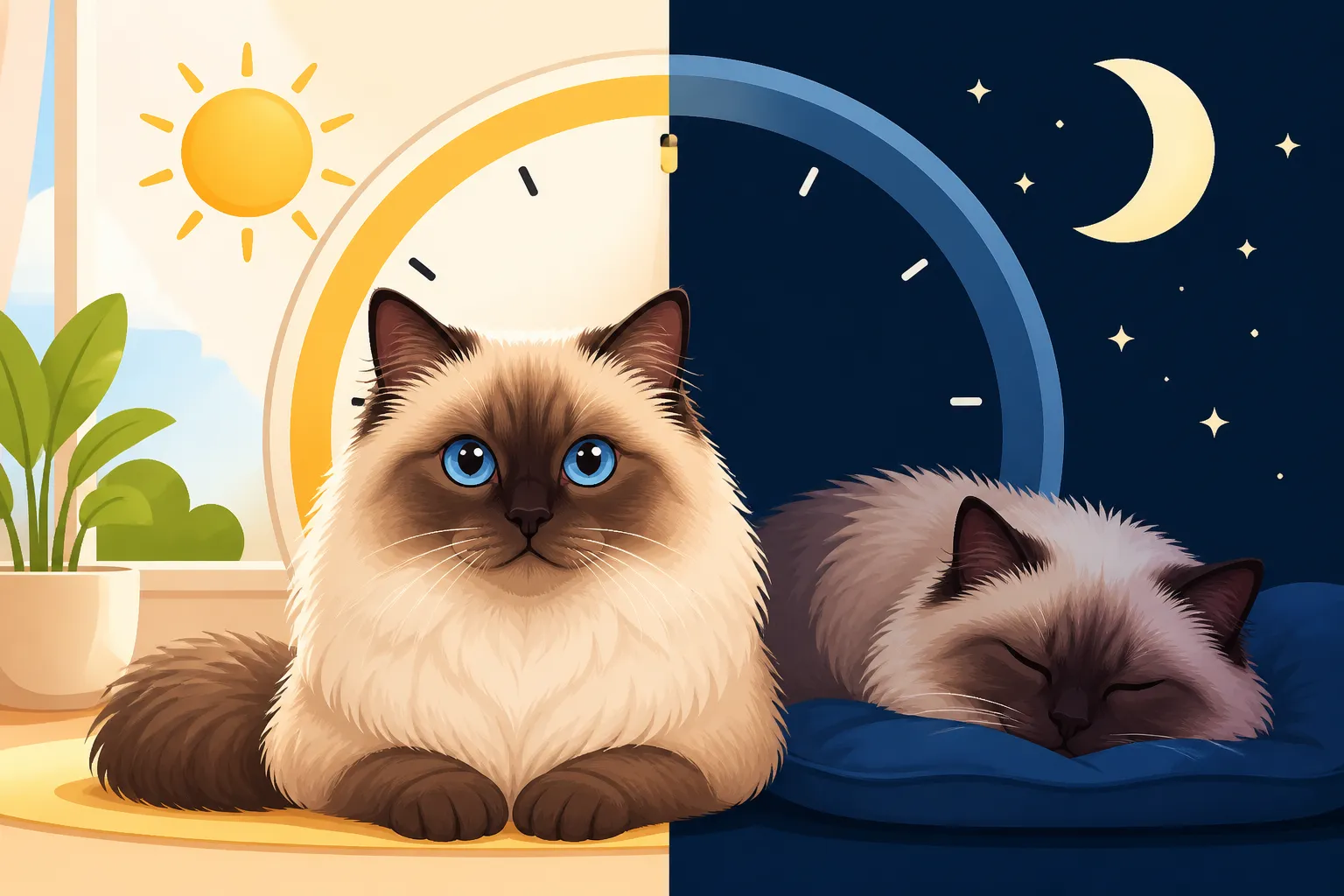
So, if they're not always sleeping, how much are they actually awake? Generally, an adult Himalayan will spend anywhere from 12 to 16 hours a day asleep, in varying degrees of depth. This leaves a significant 8 to 12 hours of wakefulness. Now, don't imagine that 8 to 12 hours means they're constantly running marathons or chasing invisible mice! Their wakeful hours are typically interspersed with shorter naps, moments of quiet observation, and then those wonderful, interactive play sessions.
During these awake periods, a Himalayan might be:
- Grooming: Their magnificent coats require significant attention, which can take up a good portion of their active time.
- Eating and Drinking: Meal times are important, and they'll be fully engaged.
- Observing: Just sitting and watching the world go by, whether it's out a window or simply monitoring your movements around the house. They have a very observant nature, often picking one person to follow around the house.
- Playing: While not always intense, they do love to play! This might be a quiet batting at a toy, a sudden burst of "zoomies," or an interactive session with you. Why a Himalayan Plays Longer Than a Persian and Less Than a Siamese is a great article to understand the nuance here.
- Interacting: Seeking out cuddles, asking for attention (often with a soft chirp or a gentle head-butt), or simply sitting near you. The Himalayan Is a Lap Cat That Answers Back perfectly describes this blend of affection and communication.
It's about quality over quantity when it comes to their awake time. They might not be on the go for hours straight, but their moments of engagement are meaningful.
Napping vs. Deep Sleep: Differentiating Their Rest
It’s important to understand that not all sleep is created equal for our feline friends. Just like us, cats cycle through different stages of sleep.
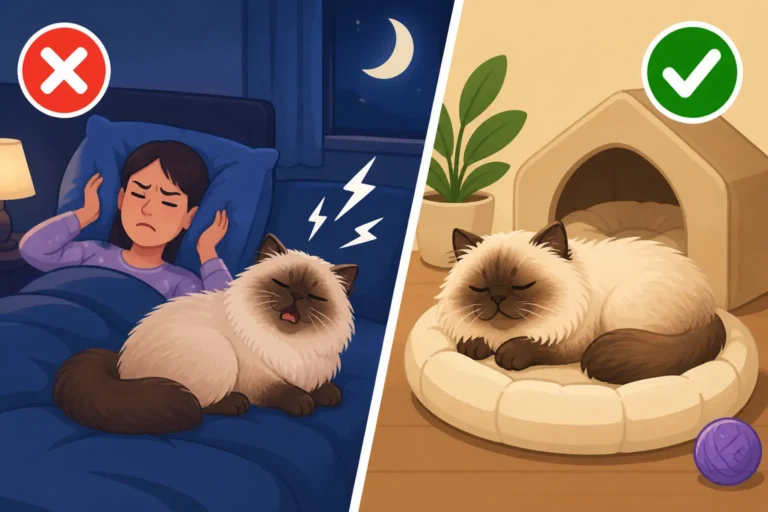
- Light Naps (Catnaps): These are often what you observe when your Himalayan is "asleep" but still seems aware of its surroundings. Their ears might twitch at a sound, an eye might open slightly, or their tail might give a little flick. During these short, frequent naps, they're easily roused. They're conserving energy but not entirely checked out. This is a survival instinct from their wild ancestors, allowing them to rest while remaining alert to potential threats or opportunities.
- Deep Sleep: This is when they are truly relaxed, dreaming (you might see their paws twitch or hear soft noises), and less responsive to external stimuli. These periods are essential for their physical and mental restoration. You'll often notice them stretched out completely, perhaps on their back with their belly exposed, indicating a feeling of absolute security. These deep sleep cycles are usually shorter than human ones, often lasting 15-30 minutes, and they'll typically cycle between light and deep sleep many times throughout the day and night.
Recognizing the difference can help you understand your cat better. A cat having a light nap probably doesn't mind a gentle pet, but a cat in deep sleep should be left undisturbed for their overall well-being.
Factors Influencing a Himalayan's Activity Levels
While there's a general guideline for how much a Himalayan is awake, individual cats can vary widely. Several factors play a significant role in shaping their daily activity levels, and understanding these can help you tailor your care to their specific needs.
Age and Life Stage: From Zoomies to Senior Slumbers
Just like people, a Himalayan's energy levels change dramatically throughout their life.
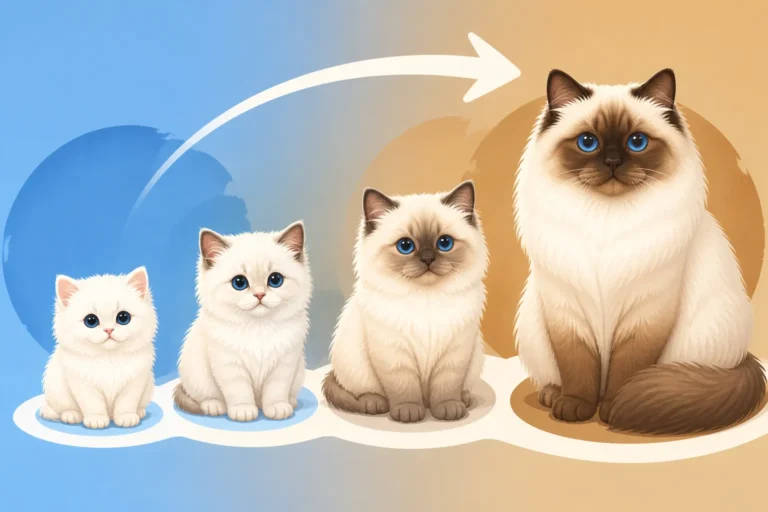
- Kittenhood (0-1 year): Himalayan kittens are little bundles of fluff and energy! They'll have bursts of intense play, often referred to as "zoomies," where they race around the house, pounce on anything that moves, and generally act far less sedate than their adult counterparts. While they still sleep a lot, their awake periods are packed with exploration and learning. They might even try to climb things, though their cobby bodies aren't usually built for extreme acrobatics. How Soon a Himalayan Kitten Runs Out of Breath is a key indicator that even their intense play is often short-lived.
- Adulthood (1-8 years): This is typically when their activity settles into the rhythm we discussed earlier. They become more deliberate in their play and generally more relaxed. They'll still enjoy playtime, especially with interactive toys, but they're less likely to maintain high-energy antics for extended periods. This is also when you'll truly appreciate their "lap cat" qualities.
- Senior Years (9+ years): As Himalayans age, their activity naturally winds down further. They might spend more time sleeping, and their play sessions will become shorter and gentler. Arthritis can start to set in, making jumping and running less appealing. It's crucial to still encourage gentle movement and mental stimulation to keep them engaged, but respect their slower pace. What Goes First in a Himalayan Past Twelve often includes a decrease in physical activity.
Environment and Enrichment: Stimulating Their Inner Siamese
Even though Himalayans inherit a quieter disposition from their Persian side, they still carry the curious, playful genes of their Siamese ancestors. Their environment plays a huge role in how much they choose to be awake and engaged.
- Stimulating Environment: A home with interesting things to watch (like a bird feeder outside a window), gentle toys they can bat around, and opportunities for interaction will encourage more wakefulness. Things like a comfortable cat tree (waist-high is usually enough, as they don't often climb to great heights), puzzle feeders, or simply a sunny spot can make a big difference. Many owners find excellent, cat-safe enrichment items on Amazon.
- Interactive Play: This is key! Leaving a pile of toys on the floor might not always cut it. Himalayans often thrive on interactive play with their humans. Wand toys that mimic prey can be particularly effective at getting them off the sofa. Which Wand Toys a Himalayan Can Actually Follow can give you some great ideas. Even a short 10-15 minute play session a few times a day can significantly increase their active wakeful time.
- Companionship: While many Himalayans are perfectly content as only cats, some do enjoy the company of another calm, compatible feline friend. A gentle playmate can encourage more activity and reduce boredom. However, ensure the companion isn't overly boisterous, as a fast or rambunctious cat might overwhelm a Himalayan. Bringing a Second Cat Home to a Himalayan offers great advice on this topic.
Health and Comfort: When Lack of Activity Signals a Problem
Sometimes, a sudden or prolonged decrease in a Himalayan's activity isn't just a sign of relaxation; it can be a red flag for a health issue. These cats, with their stoic nature and luxurious coats, can sometimes hide discomfort well.
- Breathing Issues: Due to their brachycephalic (flat) faces, Himalayans can be prone to breathing difficulties. If your cat is consistently panting after minimal exertion, open-mouth breathing, or struggling to catch their breath, it's a serious concern that needs veterinary attention immediately. These issues will naturally reduce their willingness to be active. When a Himalayan's Open Mouth Breathing Needs a Vet explains critical signs to look out for.
- Pain or Discomfort: Joint pain (especially as they age), dental issues (their crowded mouths are prone to problems), or internal discomfort can all lead to a decrease in activity. If your cat is usually more active but suddenly seems withdrawn, reluctant to jump, or avoids being touched in certain areas, a vet visit is in order.
- Weight Management: Himalayans have cobby bodies and can gain weight easily, especially if they're not very active. An overweight cat will naturally be less inclined to play or move, creating a vicious cycle. Maintaining a healthy weight is crucial for their overall well-being. What a Himalayan's Cobby Frame Should Weigh helps you understand healthy ranges.
- Polycystic Kidney Disease (PKD): This inherited condition is common in Persian-derived breeds like Himalayans. While early stages often show no symptoms, as the disease progresses, cats may become lethargic, lose appetite, and show increased thirst. Living With a Himalayan That Inherited the Persian Kidney Gene provides crucial information on managing this condition, which can certainly impact energy levels.
Always consult your veterinarian if you notice a significant or sudden change in your Himalayan's activity level or behavior. It's better to be safe than sorry when it comes to their health.
Supporting Your Himalayan's Wakeful Engagement
Okay, so we've established that Himalayans are more awake than they appear, and their wakeful hours are precious for their physical and mental health. Now, how do we ensure those hours are rich and fulfilling? It’s all about intentional enrichment and understanding their unique preferences.
Strategic Playtime: Tapping Into Their Playful Side
Just because they're not daredevils doesn't mean they don't love a good play session. The key is how you play with them.
- Short, Frequent Bursts: Instead of one long, exhausting play session, aim for several shorter ones throughout the day. A few 5-10 minute sessions can be far more effective and enjoyable for a Himalayan than trying to make them play for half an hour straight. When to End a Himalayan's Play Session is excellent advice, reminding us to stop before they get too winded.
- Interactive Toys are Gold: Wand toys with feathers or small plush attachments are often a huge hit. They allow you to mimic prey movement and engage your cat without requiring them to run extensively. Laser pointers can also be fun, but always end a laser session by letting them "catch" a physical toy to prevent frustration. You can find a huge variety of these on Amazon.
- Soft Toys for Solo Play: While interactive play is vital, having some soft, lightweight toys they can bat around on their own is also good. Think crinkle balls, small stuffed mice, or even a simple fabric knot. They might not chase them enthusiastically, but they will bat and pounce from their comfortable perch. Why a Himalayan Watches a Toy Rather Than Chase It describes their typical approach.
- Catnip Consideration: Some Himalayans respond wonderfully to catnip, which can perk them up for a playful burst. Others are completely indifferent. It's worth trying a small amount to see if your cat enjoys it, as it can be a great way to initiate playtime. Whether Catnip Moves a Himalayan at All explores this further.
| Activity Type | Description | Typical Himalayan Engagement | Benefits |
|---|---|---|---|
| Deep Sleep | Completely relaxed, unaware of surroundings, often dreaming. | Several cycles throughout day/night, essential for restoration. | Physical and mental rejuvenation. |
| Light Napping | Resting but semi-aware of environment, easily roused. | Frequent, short periods, often between deeper sleep and activity. | Energy conservation, light rest, environmental monitoring. |
| Quiet Observation | Sitting calmly, watching surroundings (window, human activity, etc.). | Frequent, can last for extended periods, especially near windows. | Mental stimulation, feeling involved, low energy output. |
| Grooming | Self-cleaning, meticulously maintaining their long coats. | Daily, multiple times, significant time investment. | Hygiene, relaxation, self-soothing. |
| Eating/Drinking | Focused on meals and hydration. | Daily, 2-3 specific meal times, frequent water breaks. | Nutritional intake, essential survival. |
| Interactive Play | Engaged with toys or human interaction (wand toys, chasing, petting). | Short, bursty sessions (5-15 mins), several times a day. | Physical exercise, mental stimulation, bonding, reduces boredom. |
| Social Interaction | Seeking attention, purring, head-bumping, following a favorite person. | Daily, often coinciding with human activity or quiet moments. | Affection, emotional well-being, strengthens bond. |
Enriching Their Space: Making Their World Engaging
Even a calm cat benefits from an environment that sparks their curiosity.
- Window Perches: A sturdy window perch where they can watch birds, squirrels, or just the world outside is a must-have. Even if they don't climb high, a low, wide perch can provide hours of quiet entertainment.
- Comfortable Resting Spots: Ensure they have plenty of soft, comfortable places to nap and observe. Himalayans love warmth, so a plush bed near a sunny window or a heated cat bed can be very appealing.
- Puzzle Feeders (Flat-Face Friendly): These can provide mental stimulation and slow down eating, which is great for weight management. Just ensure the feeder is designed for brachycephalic cats, with wide, shallow compartments that allow them to reach the food without discomfort. Which Puzzle Feeder a Himalayan Can Get Its Face Into will guide your choices. Many good options are available through retailers like Amazon.
- Safe Climbing Opportunities: While they aren't master climbers, a low, sturdy cat tree with wide platforms or some steps to a favorite elevated spot (like a cat-friendly bookshelf) can satisfy their gentle urge to survey their territory from a slightly higher vantage point. Why a Himalayan's Cat Tree Should Be Waist High at Most is a useful read here.
Recognizing Signs of Boredom or Distress
It’s easy to miss subtle cues in a naturally sedate cat, but a consistently under-stimulated Himalayan can develop behavioral issues or become genuinely unhappy.
- Excessive Grooming: If your cat is suddenly over-grooming, pulling out fur, or developing bald patches, it could be a sign of stress or boredom.
- Destructive Behavior: While rare for a Himalayan, a bored cat might scratch furniture more aggressively or chew on inappropriate items.
- Changes in Appetite: Eating too much or too little can be a sign of emotional distress, boredom, or an underlying health issue.
- Increased Vocalization (or Lack Thereof): While Himalayans are known for their quieter voices compared to Siamese, a sudden increase in chirping or soft meows could be a demand for attention. Conversely, a cat that suddenly becomes very quiet and withdrawn might be feeling unwell or deeply stressed.
- Restlessness: Pacing, an inability to settle in one spot, or trying to constantly get your attention might indicate they need more mental or physical engagement. What a Bored Himalayan Gets Into highlights these potential problems.
By understanding their unique blend of relaxation and quiet curiosity, and by actively providing appropriate stimulation and care, you can ensure your Himalayan's awake hours are just as enjoyable and fulfilling as their many, many naps. They may not be the most boisterous cats, but their gentle companionship and subtle interactions are truly something special.
Disclaimer
This article is for general informational purposes only and does not constitute professional advice. Laws, prices and regulations vary by location and change over time. Consult a qualified professional for guidance on your specific situation.