What Fifteen Years of a Himalayan’s Coat and Face Takes
Bringing a Himalayan cat into your life is an absolute joy, but it’s also a commitment to a lifetime of very specific, hands-on care for their magnificent coat and unique facial structure. Many new owners are completely swept away by their stunning looks, only to realize years down the line that the daily upkeep for fifteen years is a marathon, not a sprint. This guide is here to walk you through the real, ongoing dedication required to keep your Himalayan thriving, happy, and healthy from a playful kitten all the way through their distinguished senior years.
The Lifelong Commitment to a Himalayan's Magnificent Coat
That luxurious, flowing coat is undoubtedly one of the most captivating features of a Himalayan, isn't it? It’s what draws so many of us in. But it’s also the biggest daily commitment you’ll make to your cat, and it doesn't get easier with age. From the moment they're a fluffy little kitten, you're signing up for a consistent routine that truly never lets up if you want to avoid serious problems.
Daily Grooming from Kittenhood to Golden Years
Let’s be honest, that stunning Persian-type coat isn't just for show; it requires daily attention. This isn't a "once-a-week-when-you-remember" kind of situation. We're talking about a diligent, mindful process that becomes part of your everyday life. When your Himalayan is a kitten, their coat is softer and less dense, which might lull you into a false sense of security. But as they mature, that undercoat really starts to pack in, creating a dense, often stubborn layer beneath the softer topcoat. It’s crucial to start grooming habits early, making it a positive, bonding experience.
You need the right tools for this job, and a good quality Which Steel Comb a Himalayan's Coat Needs is your best friend. Forget those fancy de-shedding tools that can actually damage the delicate coat; a long-toothed steel comb is what you need to get deep down to the skin. You'll work in sections, gently teasing out any tangles and removing loose undercoat. This isn’t just about aesthetics; it's vital for their skin health. Mats can pull on the skin, causing pain, restricting movement, and even leading to skin infections. Many owners underestimate How Many Minutes a Day a Persian Coat Takes on a Himalayan, but it's a solid block of time that becomes essential for their well-being. Over the years, their coat tends to thicken and even get a bit coarser, meaning your technique needs to be consistent and thorough.
Dealing with Mats and Professional Grooming Needs
Life happens, and sometimes, despite our best efforts, a mat forms. It's incredibly frustrating, especially when you feel like you've been diligent. But these cats mat incredibly easily, often in hidden spots like armpits, behind the ears, and in the "britches" area around their back legs. A single missed day of combing can spiral into a serious problem. As I've experienced, Why a Missed Day Costs a Himalayan a Mat isn't an exaggeration – a tiny tangle can quickly become a dense, painful felted patch.
When mats get really bad, they cease to be a cosmetic issue and become a medical one. They can restrict blood flow, cause skin irritation, and hide parasites or wounds. This is when your vet or a professional groomer often has to step in, and frankly, it can be expensive and stressful for your cat. Sometimes, the only humane option is a "lion cut," where the cat is shaved down, often under sedation. It's a shocking sight for many owners, but sometimes it's the only way to alleviate discomfort. Remember, When a Lion Cut Is the Right Answer for a Himalayan is usually a sign that the daily grooming routine has fallen by the wayside, and it’s a wake-up call to re-evaluate your approach. Finding a groomer who understands the unique challenges of a Himalayan's coat and temperament is invaluable, and they can offer services that save your cat from painful de-matting.
Seasonal Changes and Age-Related Coat Challenges
A Himalayan's coat isn't static; it's a dynamic, living part of them that responds to their environment and age. Did you know that How Temperature Decides a Himalayan's Point Color? In colder environments, their points (ears, face, paws, tail) will naturally darken, sometimes even spreading to their body coat, making the beautiful contrast less pronounced. In warmer seasons or climates, the body coat might stay lighter, and the points can appear less intense. This fascinating genetic quirk means their appearance can subtly shift throughout the year.
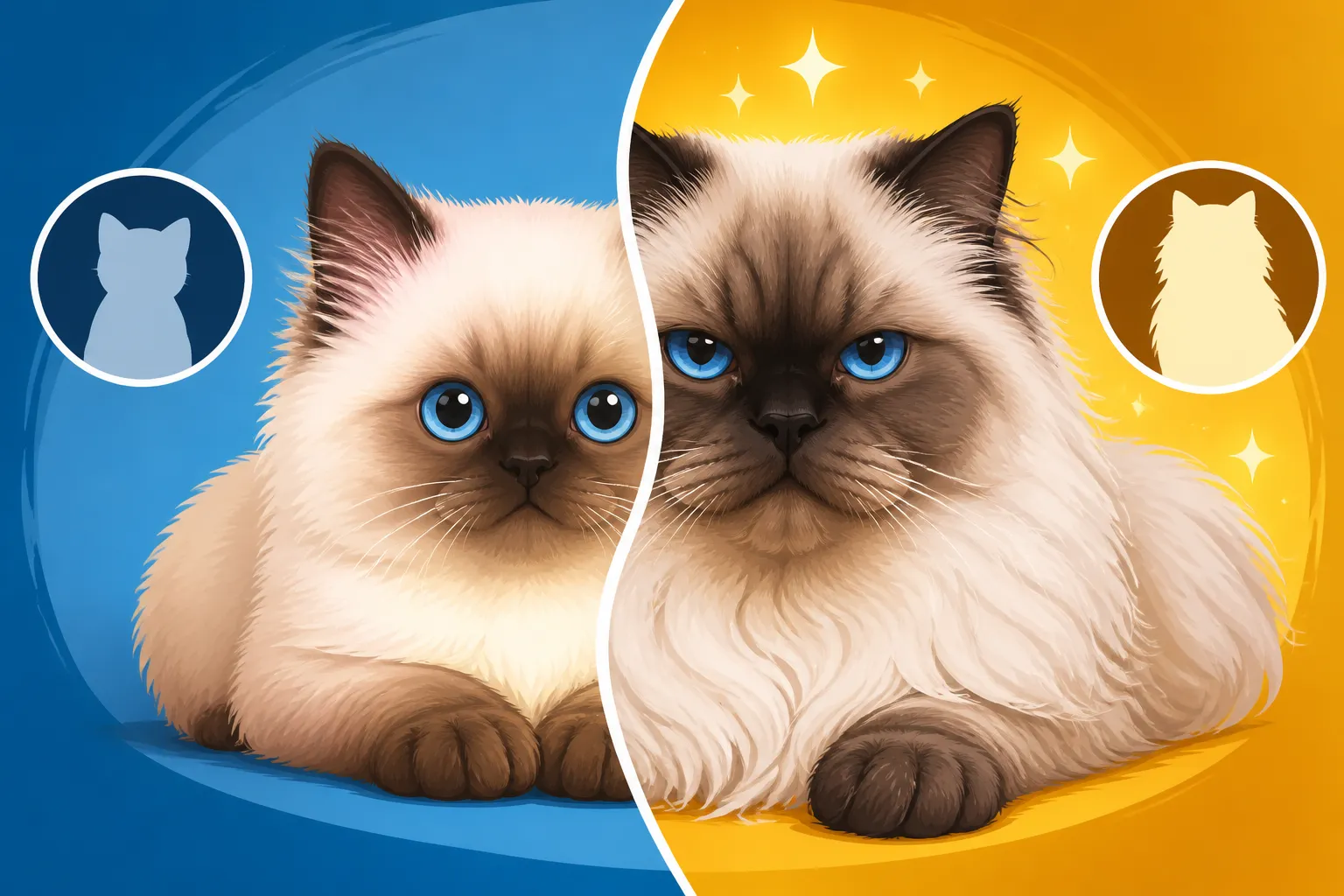
As your Himalayan reaches their senior years, usually past ten or twelve, their coat can present new challenges. You might notice Why an Old Himalayan's Coat Goes Sparse in some areas or, conversely, find it becomes even more prone to matting because they simply can't groom themselves as effectively. Arthritis, decreased flexibility, or even just general slowing down means those hard-to-reach spots become impossible for them to maintain. This is where your commitment deepens. You'll need to spend even more time on Combing the Points an Old Himalayan No Longer Reaches, possibly adjusting your technique to be gentler around sensitive joints. It's a reminder that their long, beautiful coat is a lifetime responsibility.
Nurturing the Distinctive Himalayan Face Throughout Its Life
The Himalayan's adorable, expressive face is another hallmark of the breed, but it also comes with its own set of dedicated care requirements. This isn't just about keeping them pretty; it's about preventing discomfort, infection, and maintaining their overall health.
The Daily Ritual of Face Cleaning and Eye Care
If there's one thing you absolutely cannot skip with a Himalayan, it's their daily face routine. That flattened face, while incredibly endearing, predisposes them to tear staining and potential skin irritation. Their large, round eyes, often with a slightly inward-rolling eyelid (entropion in some cases), mean that tears don't always drain properly. This leads to constant moisture and the dreaded rust-colored stains that mark Why a Himalayan's Eyes Water All Day.
Your morning routine will likely include gently wiping their eyes and the skin around their nose. Using soft cotton pads dampened with plain water, or specific Which Wipes Are Safe Around a Himalayan's Blue Eyes (you can often find these from brands on Amazon or Chewy), is essential. You need to keep the area completely dry to prevent a common, unpleasant issue called fold dermatitis, which is a skin infection that thrives in damp, warm crevices. The Morning Face Routine Every Himalayan Needs might take only a few minutes, but those minutes prevent a world of discomfort and potential vet visits down the line. For cream or pale-bodied Himalayans, regular cleaning is critical to How to Keep a Cream Point Himalayan Looking Clean and prevent staining from becoming permanent.
Addressing Breathing and Dental Concerns Over Time
The very structure that gives the Himalayan its charming face – the brachycephalic (flat-faced) skull – also brings with it potential breathing and dental challenges. Many Himalayans snore, which can be cute, but it’s a symptom of their compacted airways. While they often cope well, extreme flat-faced individuals can struggle with strenuous activity or heat.
Beyond breathing, the shortened jaw means that their teeth are often crowded, leading to a higher risk of dental disease. Just imagine trying to fit all those teeth into a smaller space! This crowding creates nooks and crannies where food particles and plaque can easily accumulate, leading to tartar buildup, gingivitis, and eventually, painful extractions. It's why How Crowded a Himalayan's Lower Jaw Gets often necessitates Why a Himalayan Needs Dentals Earlier Than a Siamese or other breeds. Regular dental check-ups, and ideally, daily tooth brushing with a vet-approved feline toothpaste, are vital throughout their fifteen years. Ignoring their oral health can lead to chronic pain, infection, and even impact their heart and kidney health in the long run.
Protecting the Sensitive Blue Eyes
Those striking blue eyes aren't just beautiful; they are also quite delicate and require vigilant care. Due to the shape of their skull and often prominent eyes, Himalayans can be prone to various eye issues over their lifetime. Conditions like entropion, where the eyelid rolls inward, can cause eyelashes to constantly rub against the cornea, leading to irritation, pain, and potentially What a Corneal Ulcer Looks Like on a Blue Eyed Himalayan. These are serious and can lead to blindness if not addressed promptly.
Regular monitoring of their eyes is critical. If you ever notice excessive tearing, squinting, redness, or a cloudiness to their eye, it's not something to "wait and see." Why a Himalayan's Eye Injury Cannot Wait Until Monday is a fact many owners learn the hard way; prompt veterinary attention can save their sight. Throughout their life, and especially as they age, How Often a Himalayan's Eyes Should Be Examined by a vet is more frequent than for many other breeds, often becoming part of their annual check-up to catch issues before they escalate. Keeping their living environment clean and free of irritants like dust or strong scents is also a simple way to protect those sensitive peepers.
Nutritional Considerations for a Long, Healthy Himalayan Life
Feeding your Himalayan is more than just putting food in a bowl; it's about understanding their unique physical structure and activity levels to ensure they stay healthy and happy for up to fifteen years. Their flat face, long coat, and often relaxed demeanor all play a role in their dietary needs.
Selecting the Right Food and Bowls for a Flat Face
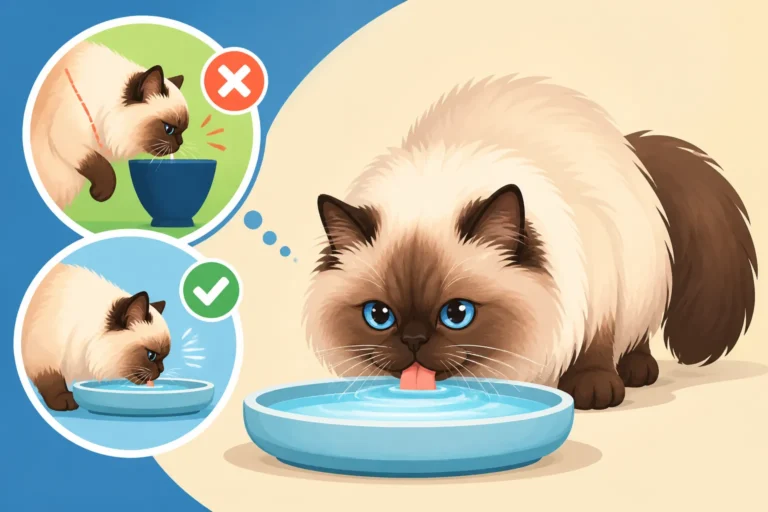
One of the most practical challenges of owning a flat-faced cat is finding a food bowl they can comfortably use without making a huge mess or straining themselves. Most standard cat bowls are simply too deep or narrow. Which Bowl Shape a Flat Faced Himalayan Can Use is a common question, and the answer is typically a wide, shallow, and sometimes elevated dish. This design allows them to reach their food without bending their sensitive whiskers too much, which can be uncomfortable, and without pushing food out of the bowl with their flattened face.
When it comes to the food itself, you might find Why Wet Food Is Easier for a Himalayan to Take than dry kibble, as the flattened jaw can make it harder for them to pick up smaller pieces efficiently. If you opt for kibble, look for larger, flatter pieces specifically designed for brachycephalic breeds. Many retailers and specialized pet food companies carry such options. High-quality protein is important for maintaining their luxurious coat and overall health, regardless of whether you choose wet or dry food. A balanced diet tailored to their age and activity level is paramount from kittenhood right through to their golden years.
Managing Weight and Hydration from Youth to Seniority
Himalayans are often described as "lap cats," and it's true they tend to be less active than, say, a Siamese. This charmingly sedentary lifestyle, coupled with their dense coat which can hide a few extra pounds, means that weight management is a critical part of their care. It’s incredibly easy for Why a Cobby Himalayan Gains on a Portion Another Cat Burns from a different breed. Obesity can exacerbate breathing difficulties, put strain on their joints, and make self-grooming even harder, contributing to matting.
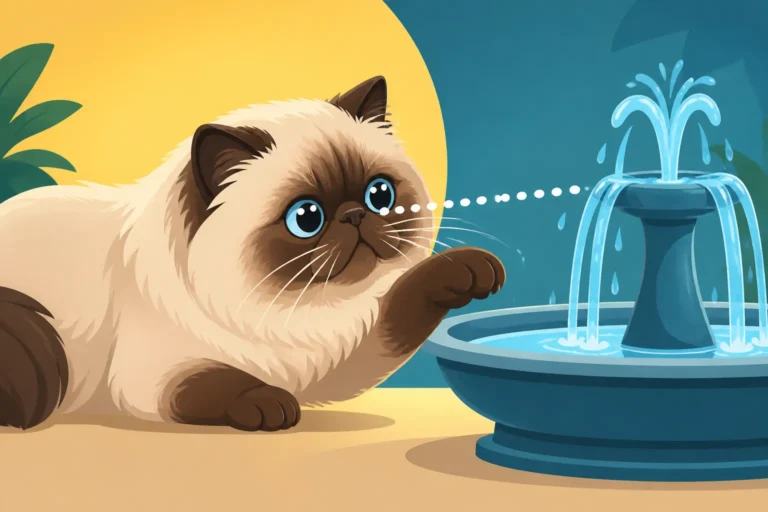
Careful portion control and regular monitoring of their weight are essential throughout their life. Your vet can help you determine What a Himalayan's Cobby Frame Should Weigh ideally. Hydration is also a key factor, especially as they age or if they develop kidney issues, which are not uncommon in the Persian lineage. Ensuring they always have access to fresh, clean water is vital. Some Himalayans might prefer a wide, shallow water dish or even a pet water fountain, which can encourage them to drink more. Remember, Why Water Matters More in a Himalayan Carrying Cysts – adequate hydration can help support kidney function.
Age-Specific Dietary Adjustments
Just like humans, a Himalayan's nutritional needs change as they progress through different life stages. A growing kitten needs a diet rich in calories and nutrients to support their rapid development and the growth of their magnificent coat. As they transition into adulthood, their energy requirements typically decrease, and a good quality adult maintenance formula is appropriate.
However, it's in their senior years, usually from about seven to ten years onwards, that diet becomes particularly crucial. Older Himalayans may experience a decline in kidney function, develop arthritis, or have dental problems that make eating difficult. Your vet might recommend a specific diet for Which Renal Diet a Cyst Positive Himalayan Ends Up On if they are diagnosed with kidney disease, or a food formulated for senior cats that supports joint health and is easier to chew. You might even find Why an Old Himalayan With Few Teeth Needs Wet Food to ensure they're getting enough sustenance. Regularly discussing your cat's diet with your veterinarian as they age is essential to keep them in peak condition.
The Financial and Emotional Investment in Fifteen Years of Care
Caring for a Himalayan over their typical 15-year lifespan is a significant investment, not just of your time and love, but also financially. It’s important to go into this commitment with eyes wide open, understanding the ongoing costs associated with their specific needs.
Anticipating Veterinary Costs Over a Lifetime
Beyond the initial purchase price, veterinary care will be one of the largest ongoing expenses for your Himalayan. Annual check-ups are non-negotiable, and these often include blood work, especially as they get older, to monitor kidney and thyroid function. You'll find that Why a Himalayan's Vet Year Is Eyes, Teeth and Kidneys often means more comprehensive (and thus more costly) visits than for some other breeds. Their crowded mouths often necessitate regular dental cleanings under anesthesia, which are not inexpensive but are critical for preventing pain and serious health issues.
Furthermore, Himalayans, due to their Persian heritage, are predisposed to certain genetic conditions like Polycystic Kidney Disease (PKD) and Progressive Retinal Atrophy (PRA). While responsible breeders test for these, unexpected health issues can always arise. It’s wise to budget for potential diagnostic tests, medications, and even specialist visits over the years. What Testing a Himalayan for PKD and the Eyes Costs initially is a small fraction of what managing a chronic condition might entail over a decade or more. Pet insurance can be a valuable tool to help mitigate some of these costs, but be sure to understand what conditions might be excluded due to their breed.
The Cost of Grooming Supplies and Professional Services
The daily grooming we discussed earlier isn't just a time commitment; it requires an investment in quality tools and supplies. That excellent What a Steel Comb for a Himalayan's Coat Costs upfront is certainly worth it, but you'll also go through countless packs of eye wipes, specialized cleaners for their face, and potentially paw balms or conditioners. Over fifteen years, What a Year of Himalayan Eye Wipes Costs really adds up.
Even with diligent home grooming, many Himalayan owners find themselves relying on professional groomers, whether for regular tidy-ups, sanitary clips, or those emergency de-matting sessions that can lead to a lion cut. What a Groomer Charges for a Himalayan Lion Cut varies widely but is typically a significant expense. For many owners, especially as their cats age and become less cooperative or flexible, a regular visit to a trusted groomer becomes an essential part of their care budget. Remember, trying to save money by skimping on grooming often leads to more expensive vet bills down the line when mats become severe.
The Unquantifiable Gift of Time and Dedication
Beyond the tangible costs, the most significant investment you’ll make in a Himalayan over fifteen years is your time and emotional dedication. What Daily Combing Costs a Himalayan Owner in Time might seem like just a few minutes, but it's a consistent, daily commitment that shapes your bond. The morning face cleaning, meal preparation, monitoring their health, and simply sharing quiet moments are all threads woven into the fabric of your life together.
There's an undeniable joy in seeing your Himalayan happy, healthy, and beautifully maintained, knowing your effort makes a difference. They truly are The Himalayan Is a Lap Cat That Answers Back, forming deep connections with their chosen people. For many, the consistent, hands-on care for a Himalayan builds a unique kind of bond, where trust and comfort allow for that daily comb or face wipe to become a cherished ritual. It’s a relationship built on consistency and love, and for those who embrace it, the rewards far outweigh the demands.
Disclaimer
This article is for general informational purposes only and does not constitute professional advice. Laws, prices and regulations vary by location and change over time. Consult a qualified professional for guidance on your specific situation.