A Himalayan’s Point Color Is a Record of Where It Sleeps
It's absolutely fascinating, isn't it? One minute your beautiful Himalayan has these crisp, perfectly defined points, and the next, you swear they're a shade darker or lighter, or a patch on their body seems to be changing hue. It's not just your imagination! Many Himalayan owners worry they're doing something wrong with their cat's care, but the truth is, your Himalayan's glorious point color is a direct, living record of the temperature it experiences, and understanding this phenomenon is key to appreciating their unique beauty and ensuring their well-being.
The Science Behind Himalayan Point Color: Why Temperature Matters
Himalayans are truly special cats, and much of their charm comes from their distinctive "pointed" coat pattern. Unlike a solid-colored cat whose fur is one shade all over, Himalayans display darker coloration on their extremities – the face (mask), ears, paws, and tail – with a much paler body. This isn't just a random aesthetic; it's a genetic marvel, and temperature is the conductor of this colorful orchestra.
The Genetic Blueprint for Colorpoint Cats
At the heart of a Himalayan's point coloration lies a specific gene, often referred to as the "Himalayan gene" or "colorpoint gene." This gene carries instructions for an enzyme called tyrosinase, which is crucial for producing melanin, the pigment responsible for fur color. What makes this gene so unique in Himalayans, and indeed in other pointed breeds, is that it's temperature-sensitive. It's a bit like a dimmer switch for color that responds directly to how warm or cool a particular part of your cat's body is. Think of it as nature's ingenious design for this magnificent breed. Which Gene Makes a Himalayan Pointed
This isn't a gene that just "turns on" or "turns off"; it's more nuanced than that. The mutation in the gene causes the tyrosinase enzyme to be less efficient at normal body temperatures. So, where a typical cat's body might produce melanin evenly, a Himalayan's body experiences a kind of "localized albinism" where the enzyme simply can't do its job effectively in warmer areas. This means their core body remains beautifully pale, often cream, ivory, or even white, allowing those striking points to truly stand out.
How Temperature Activates Melanin Production
Here's where the magic really happens: this special enzyme becomes fully active only in cooler temperatures. Imagine your cat's body as a landscape of varying temperatures. The core of their body – their torso, belly, and back – is consistently warm, hovering around their normal body temperature. In these warmer zones, the enzyme struggles, and melanin production is minimal, resulting in that light, airy body coat.
However, their extremities – the tips of their ears, nose, paws, and tail – are naturally cooler because they have less insulating fat and muscle, and are further away from the cat's core heat. In these cooler regions, the enzyme springs to life, kicking melanin production into high gear. This is why you see the vivid, deep coloration on their points. It's a direct, biological response to the colder parts of their anatomy. So, in essence, your cat's point color is literally a heat map of their body. Why the Cold Parts of a Himalayan Grow Dark Fur
Explaining the Range of Point Colors
While the mechanism of temperature-sensitive melanin production is consistent, the actual shade of the points depends on other genes that determine the cat's underlying base color. For instance, a Himalayan whose genetic base is black will develop "seal points" – a deep, dark brown that looks almost black. If their genetic base is blue (a diluted black), they'll have "blue points," which are a lovely slate gray. "Chocolate points" come from a brown genetic base, and "lilac points" are a diluted chocolate, appearing as a delicate, frosty gray-pink.
Then you have flame points (red), cream points (diluted red), and even tortie points (a mix of red/cream and black/blue/chocolate/lilac). Each of these vibrant point colors, no matter how rich or subtle, responds to temperature in the same fundamental way. The cooler the area, the more intensely the pigment develops. This genetic interplay is why you can have such a wide array of stunning Himalayans, each a unique masterpiece of coloration dictated by their genes and their environment.
How Temperature Influences a Himalayan Kitten's Developing Points
If you've ever seen a litter of newborn Himalayan kittens, you might have done a double-take. They don't arrive with their famous dark points already fully formed! This initial paleness is one of the most charming and illustrative aspects of their temperature-sensitive genetics. It's a wonderful journey to watch their true colors emerge.
Why Every Himalayan Kitten is Born Nearly White
It's a common surprise for new Himalayan owners, but nearly all Himalayan kittens are born almost completely white or a very pale cream. This isn't a mistake or a sign of an unusual color; it's perfectly normal and entirely predictable based on their genetics. Think about it: inside their mother's womb, kittens are kept consistently warm. The uterine environment maintains a stable, cozy temperature that's too high for the temperature-sensitive enzyme to activate and produce melanin. Why Every Himalayan Kitten Is Born Almost White
Because the enzyme remains largely inactive during gestation, no significant pigment can develop, even in the areas that will eventually become their dark points. So, when they first arrive, they look like little fluffy marshmallows. It's a gentle reminder of just how profoundly temperature influences their coloration from the very start of their lives. This uniform paleness is a temporary stage, a blank canvas awaiting the cooler temperatures of the outside world.
The Gradual Darkening of Points in Early Life
Once a kitten is born, it enters an environment that is significantly cooler than its mother's womb. While breeders go to great lengths to keep kittens warm, the extremities of the tiny bodies will naturally be cooler than their core. This slight drop in temperature is enough to start activating that dormant enzyme. You won't see dramatic changes overnight, but rather a slow, subtle development.
Typically, by about 7 to 10 days old, you might begin to notice the faintest hint of color on their ears, nose, and tail. It's often a very light cream or gray smudge, barely perceptible unless you're looking closely. As the weeks progress, these areas continue to cool more distinctly than their rapidly growing bodies, and the points will gradually deepen in shade. This slow reveal is one of the most endearing parts of raising a Himalayan kitten. How Many Weeks Before a Himalayan Kitten's Points Show You watch as their little faces develop their characteristic masks and their tails begin to show their future glory, week by fascinating week.
Monitoring Point Development Through the First Year
The development of a Himalayan's points isn't a quick sprint; it's a marathon. While you'll see noticeable color by the time they're 8 to 12 weeks old (when they typically go to their new homes), their points aren't considered "finished" until they're much older, often between 1 and 2 years of age, and sometimes even later. The color continues to deepen and mature as they grow and their body temperatures stabilize into adult patterns.
During their first year, their point intensity can still be quite variable. A kitten might have slightly lighter points during a warm summer month and then show a darker, more intense hue once the cooler autumn and winter temperatures settle in. This is entirely normal. As an owner, it's less about trying to control this process and more about understanding and appreciating it. The gradual deepening is a natural part of their maturation, giving you ample time to enjoy their evolving beauty.
Environmental Factors That Affect Your Himalayan's Point Intensity
Since temperature is the critical factor, it stands to reason that your cat's immediate environment plays a huge role in the depth and intensity of their point coloration. It's not just about the ambient room temperature, but also how your cat interacts with its surroundings and even how you might care for them.
The Impact of Indoor vs. Outdoor Temperatures
Himalayans are strictly indoor cats for many reasons, not least of which is their extreme sensitivity to temperature. An indoor environment provides a much more stable temperature range, which generally means their point development will follow a more predictable trajectory. Cats kept in consistently cooler homes (perhaps you like to keep your thermostat lower in winter, or you live in a naturally colder climate) will often develop darker, richer points across the board. The cooler the ambient air, the more that melanin-producing enzyme gets to work, even on areas that might normally stay lighter.
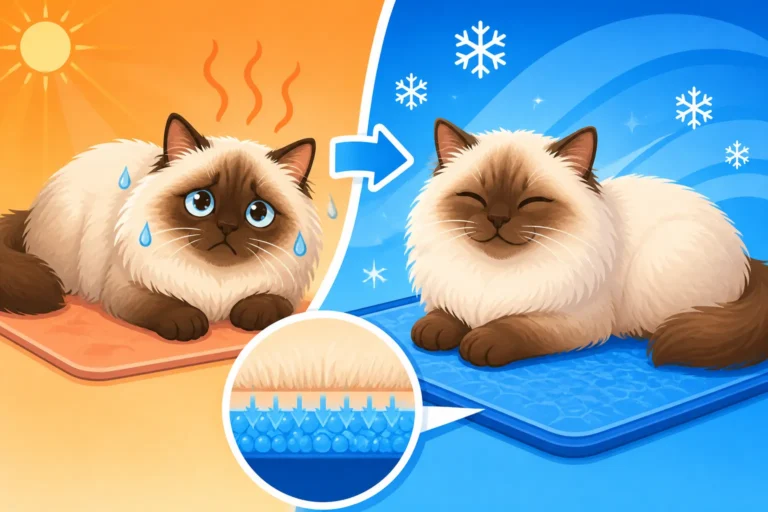
Conversely, a Himalayan living in a consistently warmer home, or one that spends a lot of time lounging in sunbeams, might have slightly paler points. While their extremities will always be cooler than their core, the overall warmth can subtly inhibit the full expression of the point color. This isn't to say you should deliberately chill your home for darker points – your cat's comfort and health always come first! It's just an interesting observation on how profoundly their surroundings influence their coat. Why a Himalayan in a Cold House Darkens All Over
Localized Cooling and Heating and Its Effect on the Coat
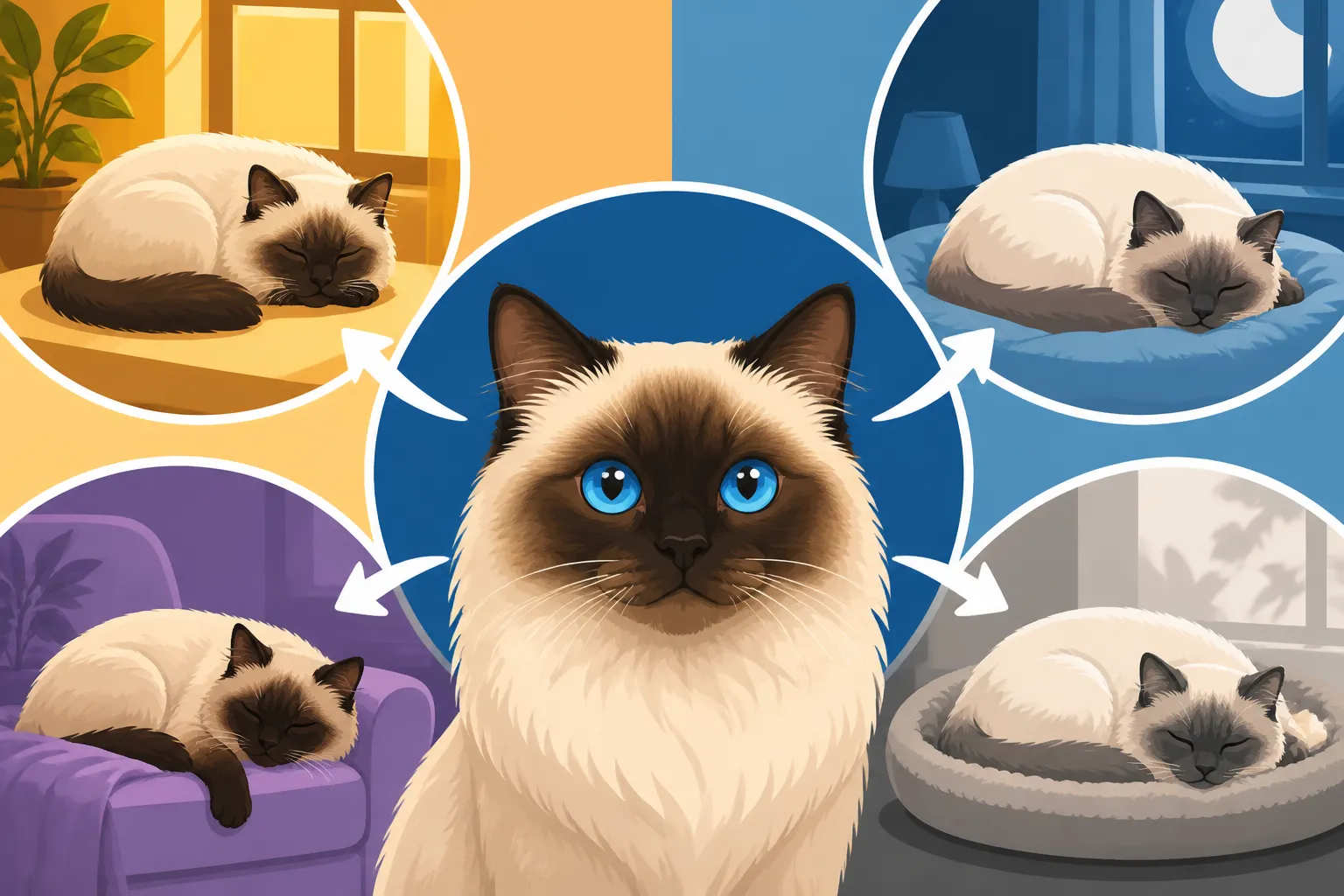
It's not just the overall room temperature; localized heating and cooling can create fascinating variations in your Himalayan's coat. For example, if your cat has a favorite sleeping spot near a cold draft, or conversely, always curls up by a warm vent, you might notice slight differences in the point color of that specific area over time. A cat that habitually sleeps with its tail tucked tight against its body might have a slightly paler tail than one that lets its tail drape freely in cooler air.
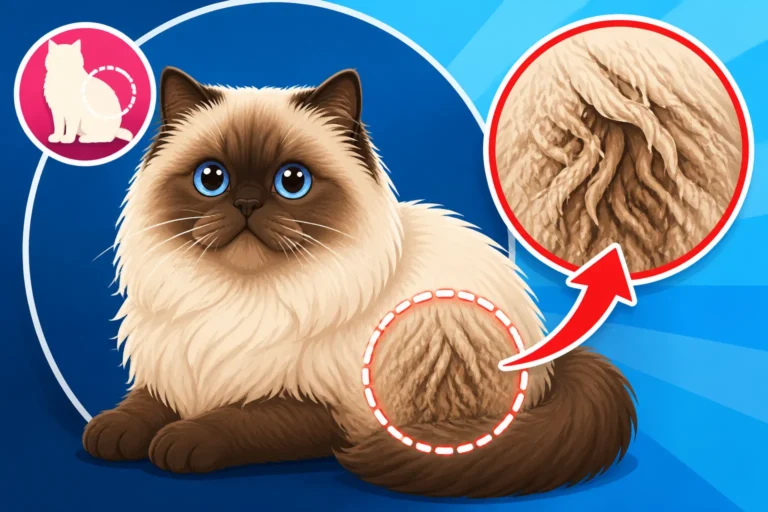
This phenomenon is most strikingly visible in medical situations. If your Himalayan has surgery and a patch of fur is shaved for the procedure, that area will be exposed directly to the cooler air. When the fur grows back, it will often come in significantly darker than the surrounding body coat, sometimes even as dark as their points! This is because the shaved skin gets colder than the insulated fur, stimulating melanin production. Once the new hair grows long enough to provide insulation again, the subsequent growth will typically return to the normal paler body color. It's a stark, temporary demonstration of how directly temperature dictates color. How a Shaved Patch Regrows Darker on a Himalayan
The Curious Case of Shaved Patches Growing Back Darker
The "shaved patch" effect is perhaps the most direct and visual proof of the temperature-sensitive gene at work. If your Himalayan needs an IV line placed, or a surgical site prepared, a patch of their beautiful fur will be clipped. The moment that protective layer of fur is removed, the skin underneath is suddenly much more exposed to the ambient air temperature, which is, of course, cooler than their internal body temperature or the temperature under their thick coat.
This localized cooling tells the pigment-producing cells in the hair follicles, "Hey, it's cold here! Time to make some color!" And so, as the new fur begins to grow back, it will often come in a much darker shade, sometimes even matching the intensity of their actual points. It's a temporary but very noticeable change, a little dark spot that looks out of place on their pale body. Don't worry, it's usually just a phase. As the fur grows longer and provides its natural insulation again, the subsequent growth tends to revert to the lighter body color, blending back in over several months. It's a harmless, fascinating side effect of their unique genetics, and a topic I cover more in Why a Shaved Patch Regrows Dark on a Himalayan.
Grooming and Nutrition Strategies to Maintain Point Contrast
While you can't fundamentally change the genetic programming of your Himalayan's point color, you can absolutely influence the overall health and vibrancy of their coat. Proper grooming and nutrition are paramount, not just for their appearance but for their comfort and well-being. A healthy coat displays its colors more clearly, making those points pop.
Daily Care for a Bright Body Coat and Defined Points
A Himalayan's coat is a magnificent thing, but it demands daily attention. Their long, luxurious fur, especially the dense undercoat, is prone to matting, which can hide the true beauty of their body color and make the points appear less defined due to clumping. Regular combing isn't just about preventing mats; it's about distributing natural oils, removing loose hair, and allowing air to circulate, which helps maintain a healthy skin and coat environment.
Using a good quality steel comb with both wide and narrow teeth is essential. Start with the wide teeth to gently work through the outer coat, then follow with the finer teeth to address the dense undercoat, especially around the ruff, armpits, and britches. This daily ritual, even if just 10-15 minutes, will keep their body coat soft, fluffy, and free from tangles, allowing the pale color to shine. When the body coat is immaculately clean and well-groomed, the contrast with their darker points becomes even more striking. How Long a Himalayan's Daily Comb Takes
Nutritional Support for Optimal Coat Health and Color
What you feed your Himalayan has a profound impact on the quality of their coat, which in turn affects how well their point colors are displayed. A diet rich in high-quality animal protein provides the building blocks for healthy fur. Look for cat foods where meat is the first ingredient, not fillers or by-products. Beyond protein, essential fatty acids, particularly Omega-3 and Omega-6, are vital for skin and coat health. These fats contribute to a glossy, supple coat and can help prevent excessive shedding and dullness. Many premium cat foods incorporate these beneficial oils.
While diet won't change the actual genetically determined point color, a well-nourished cat will have a healthier, shinier coat, which makes the existing colors appear more vibrant and distinct. A dull, dry, or unhealthy coat can make any color look lackluster. Ensuring your Himalayan receives all the necessary vitamins and minerals means their fur will be strong, soft, and less prone to breakage, supporting that beautiful contrast. What Protein Level a Himalayan's Coat Needs
The Role of Bathing and Grooming in Point Preservation
Bathing a Himalayan is a task many owners approach with trepidation, and rightly so! It's a big job. Thankfully, Himalayans generally don't need frequent baths, perhaps only a few times a year, unless they get particularly dirty. When you do bathe them, use a shampoo specifically formulated for cats, ideally one designed for longhaired breeds or for brightening white coats, as this can help keep their pale body fur pristine. Be sure to rinse thoroughly to avoid any residue that could dull the coat or irritate the skin.
After a bath, drying is critical. Their thick double coat can take hours to dry completely, and dampness can lead to skin issues. A pet dryer on a low, cool setting is invaluable. Beyond full baths, regular wiping of their face is a daily necessity. Due to their flattened facial structure, Himalayans are prone to tear staining, which can make their facial points look less crisp and their white ruffs appear dirty. Using a soft, damp cloth or specialized pet wipes (like those available on Amazon or Chewy) around their eyes and nose can keep these areas clean and prevent unsightly reddish-brown stains that detract from their lovely mask. This meticulous face care is just as important as combing for maintaining that overall clean, well-defined look. How Often a Himalayan Must Be Combed
Understanding Point Color Changes in Older Himalayans
Just like us, cats change as they age. And for Himalayans, aging brings its own unique transformations to their magnificent coats. It's a natural progression, but understanding what to expect can help you appreciate their evolving beauty and ensure any changes aren't a sign of something more serious.
Why Points Deepen and Body Coats May Discolor with Age
As Himalayans mature into their senior years, you'll often notice a few distinct changes in their coloration. Firstly, their points tend to deepen significantly. That lovely seal point that was a rich brown in its youth might become almost black, or a delicate lilac point could transform into a deeper, more substantial gray. This darkening is often attributed to a lifetime of exposure to cooler temperatures. Over many years, the temperature-sensitive enzyme has had more sustained opportunities to produce melanin, leading to an accumulation of pigment in those cooler extremities.
Secondly, you might observe a subtle yellowing or creaminess developing in their usually pristine pale body coat. This isn't necessarily a sign of poor hygiene; it's often a natural pigment shift that can occur with age, similar to how some white-haired humans develop a yellowish tint. It can also be exacerbated by exposure to sunlight, certain dietary factors, or even just the natural oils of their skin and coat accumulating over time. It's important to remember that these changes are generally aesthetic and part of the graceful aging process. Why an Old Himalayan Looks Almost Solid Colored and Why a Himalayan's Pale Body Coat Yellows
Managing Coat Changes in Senior Himalayans
Aging brings with it a host of challenges, and maintaining a senior Himalayan's coat can become more demanding. Older cats, particularly those with conditions like arthritis, might find it increasingly difficult to groom themselves effectively. Reaching their lower back, britches, or tail can become painful or simply too much effort. This reduced self-grooming can lead to an increased risk of matting, especially in hard-to-reach areas. Mats are not just unsightly; they can pull on the skin, cause pain, and even lead to skin infections.
As your Himalayan ages, your role in their grooming routine becomes even more critical. You might need to increase the frequency of your combing sessions, focusing on those areas they struggle to reach. Gentle brushing can stimulate circulation and help distribute natural oils. Regular inspections for mats or skin issues become essential. Sometimes, a professional groomer may be invaluable, particularly for a senior cat who might benefit from a shorter "lion cut" to manage their coat more easily during warmer months or if matting becomes an issue. Why a Matted Himalayan Becomes a Medical Case
Distinguishing Age-Related Changes from Health Concerns
While many coat changes in senior Himalayans are simply a part of aging, it's crucial to distinguish these from changes that could signal an underlying health issue. For instance, sudden, drastic changes in coat texture, excessive shedding, patchiness, or unexpected darkening/lightening across the body (beyond the normal point pattern) could indicate problems like hormonal imbalances (e.g., thyroid issues), nutritional deficiencies, skin parasites, or even internal organ disease.
Similarly, if the pale body coat develops strong, localized discoloration that isn't easily explained by tear stains or external dirt, it warrants a vet visit. A Himalayan who suddenly stops grooming themselves altogether, leading to rapid matting, could be in pain or feeling unwell. It's about being observant and knowing your cat's normal. If you notice any changes that seem out of the ordinary, or if your cat seems uncomfortable, a check-up with your veterinarian is always the best course of action. Early detection can make a significant difference in managing any health challenges your beloved senior might face.
Common Misconceptions About Himalayan Point Color and Care
There's a lot of folklore and well-meaning but often incorrect advice floating around about cat care, and Himalayan point coloration is no exception. Let's clear up some common misunderstandings so you can approach your cat's care with confidence and realistic expectations.
Debunking Myths About Diet and Point Color
One of the most persistent myths is that certain foods or supplements can dramatically change or enhance a Himalayan's point color. You might hear claims that feeding specific ingredients will make points darker or prevent fading. The truth, as we've discussed, is that point color is primarily determined by genetics and temperature. While a high-quality diet will support overall coat health, leading to a shinier, more vibrant appearance, it cannot fundamentally alter the genetic expression of the colorpoint gene.
For example, a cat fed a premium diet rich in omega fatty acids will likely have a softer, glossier coat than one on a poor diet. This improved coat health might make their existing point color look richer and more lustrous, but it won't magically turn a blue point into a seal point, or prevent natural age-related darkening. Focus on feeding a balanced, species-appropriate diet for your cat's overall well-being, and trust that their points will express themselves beautifully as nature intended.
The Limited Impact of Sunlight on Point Darkening
Another common belief is that direct sunlight will cause a Himalayan's points to darken significantly or that keeping them out of the sun will keep their body coat perfectly white. While prolonged, intense sun exposure can potentially lead to some minor sun bleaching on very dark points over time, or a slight yellowing of the body coat, it's not the primary driver of point color. The temperature-sensitive gene responds to body temperature, not UV radiation.
Therefore, simply letting your Himalayan bask in a sunbeam won't make their points dramatically darker. Their core body temperature remains relatively stable even in the sun. What might happen is a slight yellowing of the pale body coat over many years of sun exposure, but this is different from the temperature-dependent darkening of the points. Your Himalayan loves a warm sunspot, and restricting that isn't necessary for maintaining their point color. Their comfort should always come before a quest for an "ideal" point shade.
Why You Can't "Lighten" or "Darken" Points on Demand
Because the point coloration is genetically predetermined and largely controlled by internal and external body temperature, you simply cannot "lighten" or "darken" your Himalayan's points on demand. There's no special diet, supplement, or cream that will manipulate the tyrosinase enzyme to produce more or less melanin in specific areas. Attempts to do so are often futile, potentially harmful, and go against the natural beauty of the breed.
Embrace your Himalayan's unique coloration! Whether they have deep, rich seal points or delicate, frosty lilac points, their coat is a testament to fascinating genetics. Rather than trying to alter what nature has designed, focus on providing excellent nutrition, consistent grooming, and a loving, stable environment. A healthy, happy Himalayan will naturally display their most beautiful and vibrant coat, whatever their point color may be. How Judges Score a Himalayan's Point Contrast is a great resource if you're interested in how their natural color is viewed in the show ring.
When to Be Concerned About Unusual Coat or Point Changes
While we've established that some coat and point changes are completely normal, especially with age and environmental factors, there are indeed times when a change in your Himalayan's coat can be a red flag. Being vigilant and knowing when to consult a vet is an important part of responsible pet ownership.
Identifying Potential Health Issues Behind Coat Alterations
A Himalayan's coat can be a surprisingly good indicator of their overall health. If you notice any of the following, it might be more than just a natural variation:
- Sudden or rapid overall darkening/lightening: While points darken over years, a quick and significant change in the entire coat or body color (not just localized shaved patches) could signal an underlying systemic illness.
- Patchy hair loss or thinning coat: This is never normal and can point to parasites (fleas, mites, ringworm), allergies, hormonal imbalances, stress, or nutritional deficiencies. Why Skin Infections Recur Under a Himalayan's Coat
- Dull, greasy, or brittle fur: A lack of shine, excessive oiliness, or fur that feels coarse and breaks easily can indicate dietary issues, internal disease, or insufficient self-grooming due to pain or illness.
- Redness, scabbing, or irritation on the skin under the fur: These are signs of skin infections, allergies, or external parasites that need immediate veterinary attention. Their thick coat can hide these issues, so regular thorough checks are vital.
- Excessive shedding beyond normal seasonal changes: While Himalayans shed, extreme or constant shedding can be a symptom of stress, poor nutrition, or medical problems.
If you observe any of these symptoms, don't delay a visit to your veterinarian. Your vet can perform tests to rule out or diagnose underlying conditions and recommend appropriate treatment.
When a Vet Visit is Essential for Coat or Skin Concerns
It's natural to hesitate before calling the vet for every little thing, but with a Himalayan's dense coat and their stoic nature, it's often better to err on the side of caution. Here are specific scenarios where a vet visit is absolutely essential:
- Persistent matting despite regular grooming: If mats are forming rapidly or in new, unusual places, it could be a sign your cat is not grooming due to pain, illness, or mobility issues (like arthritis).
- Any open sores, scabs, or lesions on the skin: These can become infected quickly, especially under a thick coat.
- Strong, unusual odor from the coat or skin: A foul smell could indicate bacterial or yeast infections, especially in skin folds or matted areas.
- Constant scratching, licking, or chewing: This is a clear sign of discomfort and could be allergies, parasites, or pain.
- Changes in your cat's behavior accompanying coat changes: If they're also lethargic, eating less, hiding, or acting differently, it's a stronger indicator of illness.
Your veterinarian has the expertise to diagnose the root cause of these issues. They can suggest skin scrapes, blood tests, or other diagnostics to get to the bottom of the problem and ensure your Himalayan gets the care they need. How Many Calories an Adult Himalayan Burns a Day is a useful article to consider, as sudden weight loss or gain can also affect coat health and be a sign of illness.
Tracking Changes for Comprehensive Health Records
One of the most helpful things you can do as a Himalayan owner is to keep a little record of any significant changes you notice in their coat, skin, and overall health. A simple notebook or even a note on your phone can make a huge difference. Jot down dates when you notice new spots, increased shedding, or unusual textures. Take photos if possible, especially of skin lesions or areas of hair loss.
This detailed record will be invaluable to your vet. Instead of trying to recall vague timelines during a stressful appointment, you'll have concrete information to share, helping them piece together the puzzle faster and more accurately. It allows your vet to see patterns, understand the progression of symptoms, and make more informed diagnostic and treatment decisions. Think of it as being your cat's personal health historian – a vital role in ensuring their long-term well-being and helping them live their fullest, most colorful life.
Disclaimer
This article is for general informational purposes only and does not constitute professional advice. Laws, prices and regulations vary by location and change over time. Consult a qualified professional for guidance on your specific situation.